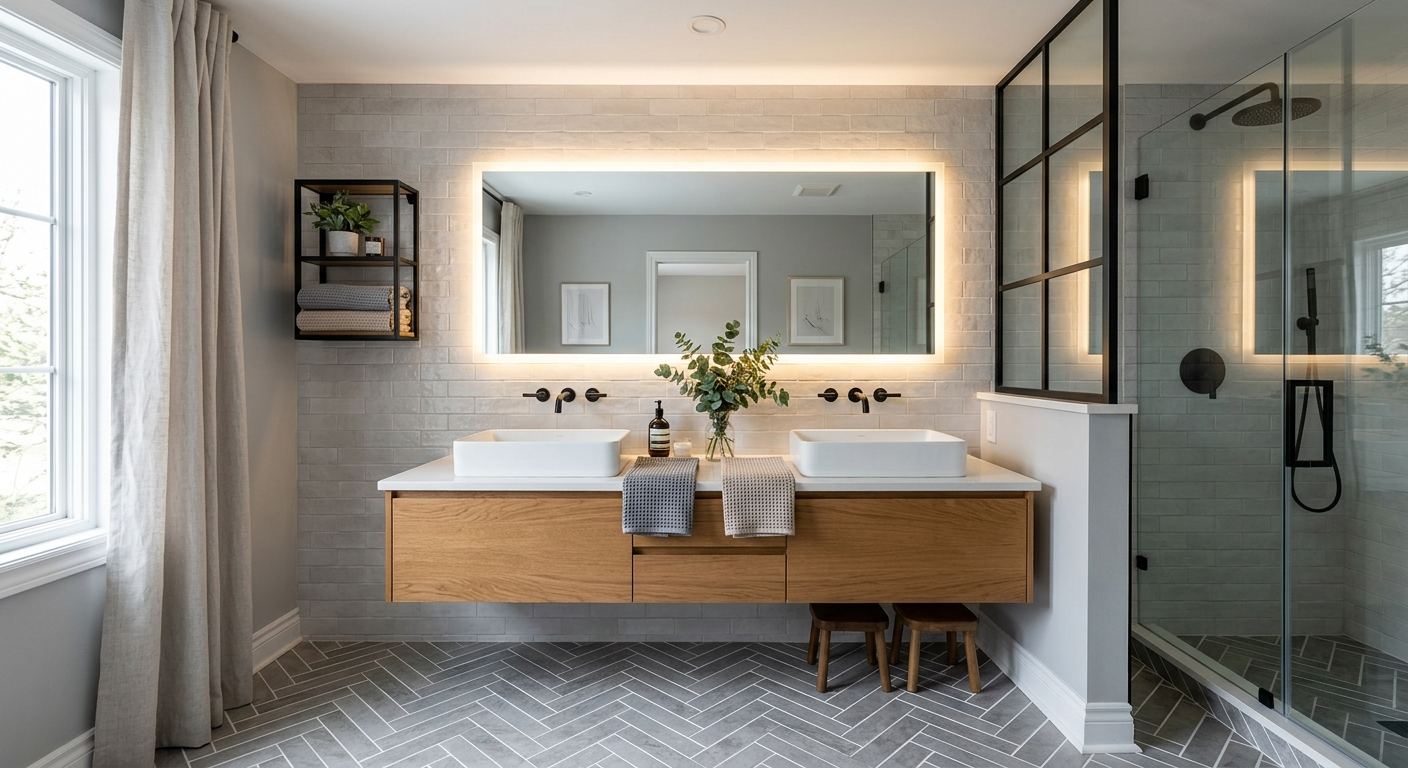
Bathroom renovation options and costs in Glenrosa
Bathroom renovations in Glenrosa, British Columbia, can range from a simple refresh to a full rebuild, and your starting point usually determines the budget quickly. Glenrosa is a smaller community—about 6,039 residents as of the 2021 Census (Statistics Canada, 2021 Census)—so availability of specialised trades can matter, especially once walls come down. In the Lower Mainland–Southwest, many homes are mid-century or older, which means dated bathroom plumbing layouts are common; that often leads to extra rough-in work, venting checks, and sometimes remediation if older materials are uncovered. For pre-1980 houses, it’s also not unusual to encounter risks like cast-iron drains, galvanized supply lines, or asbestos-containing materials in older flooring or drywall compound.
Costs in this region are driven more by labour rates and how old the housing stock is than by weather itself. Metro Vancouver and nearby communities typically have higher construction labour costs due to strong demand and limited skilled capacity for plumbers, tilers, and electricians, and that shows up in per-day labour pricing once the project becomes “open wall.” Climate still matters indirectly in British Columbia: bathrooms run frequently and need robust waterproofing and exhaust, because humidity can magnify even small installation defects.
In practice, we see the most scheduling pressure for tilers and licensed plumbers around the Glenrosa area where contractors are actively booked for multiple nearby jobs—often when residents are updating older mid-century bathrooms in clusters. Once you know whether you’re doing a cosmetic refresh or a full renovation, the next step is comparing scopes and durations in the table below.
| Renovation Scope |
What's Included |
Typical Duration |
Price Range |
| Cosmetic refresh (paint, fixtures, accessories only) |
Paint, replace vanity or faucet, toilet accessory refresh, lighting swap (like-for-like), new mirror/roller towel bars |
3–7 days |
$4,500–$10,000 |
| Mid-range full renovation (new tile, vanity, tub/shower, electrical) |
Demo and rebuild of walls/floor, new tile (floor + surround), vanity/toilet, tub-to-shower updates (as selected), exhaust fan upgrade, new GFCI outlet, plumbing updates as needed |
2–4 weeks |
$18,000–$32,000 |
| High-end full renovation (custom tile, steam shower, heated floors) |
Premium waterproofing and custom tile, steam shower components, heated floor circuit, designer fixtures, upgraded ventilation/lighting plan, more extensive plumbing/venting upgrades |
4–7 weeks |
$33,000–$45,000 |
| Shower-only installation (convert tub to walk-in shower) |
Remove tub, install pre-sloped or tiled shower base and surround, glass enclosure, plumbing trim updates, waterproofing and exhaust fan check |
1.5–3.5 weeks |
$12,000–$25,000 |
| Bathtub replacement or tub-liner install |
Replace tub and re-establish surround sealing, new fixtures trim, caulking/membrane details; in some cases, a liner system if the tub condition allows |
2–10 days |
$1,500–$6,000 |
| Tile-only installation (floor + surround, existing layout kept) |
Tile removal and re-set, waterproofing system matched to substrate, grout/seal where applicable, edging transitions kept to existing layout |
1–3 weeks |
$2,500–$8,000 |
Prices are estimates only and vary by project scope, site access and material selection.
What affects the price of bathroom renovation in Glenrosa
It’s common to see quotes for the “same” bathroom job vary by 30–50% across the Lower Mainland–Southwest and other parts of British Columbia. The main drivers are regional labour rates and what’s behind the walls—especially in older homes where bathroom plumbing and electrical often require upgrading once you start demolition. In this region, trades typically charge at a premium because demand is strong around Metro Vancouver, and skilled plumbers, tilers, and electricians may be scheduled weeks out. When the project opens, a modest bathroom can quickly turn into a multi-trade scope: waterproofing, rough-in plumbing checks, venting corrections, and electrical safety upgrades can stack up fast.
Older-home realities in the Lower Mainland–Southwest often include cast-iron or galvanized supply/stack components and undersized or incorrectly vented bathroom exhaust. Those findings inflate scope because you can’t “guess” the condition—once we’re in, we have to bring systems up to current British Columbia code practices. In pre-1985 homes, asbestos risk can also appear in vinyl floor tile, mastic, drywall compound, or insulation. Discovery can add remediation time and typically increases budgets by $1,500–$5,000+ depending on area and removal approach.
In Glenrosa specifically, two cost patterns repeat. First, if you keep the plumbing in place, even a mid-range full renovation (often in the $18,000–$32,000 band) stays more predictable. Second, if you change the layout—like moving a drain to create a larger walk-in shower—the budget can move toward the $33,000–$45,000 high-end band because rough-in work, waterproofing complexity, and electrical/GFCI updates increase together. We often also see savings when you choose a simpler tile format and a standard-sized vanity, because labour time and waste reduce.
| Price Factor |
Why It Matters |
Cost Impact |
| Layout change — moving drain or supply lines requires rough-in work |
New pipe runs, demolition, and re-venting often follow |
Often adds $3,000–$12,000+ |
| Tile selection — large-format porcelain vs. mosaic vs. ceramic |
Layout complexity, cutting, and coverage affect labour and waste |
Typically adds $1,000–$6,000 |
| Fixture tier — builder-grade vs. mid-range vs. designer brands |
Supply costs and trim complexity vary |
Often adds $800–$5,000 |
| Subfloor condition — rot or unlevel concrete adds scope |
More demo and prep to achieve correct plane for tile |
Typically adds $1,200–$7,000 |
| Electrical — adding GFCI outlets, exhaust fan, heated floor circuit |
Safety requirements and certified installation increase costs |
Typically adds $600–$4,500 |
| Waterproofing method — membrane type and extent |
Correct system reduces call-backs and mould risk |
Typically adds $800–$4,000 |
| Older-home surprises — asbestos tile, cast-iron drains, galvanized pipes |
Remediation, disposal, and plumbing replacements add trades/time |
Typically adds $1,500–$10,000+ |
| Bathroom size — sq ft drives tile and labour time directly |
More surface area means more materials and longer installation |
Often shifts the whole scope by $2,000–$15,000 |
Permits & regulations in British Columbia
In British Columbia, cosmetic updates—like swapping fixtures, replacing a vanity, retiling on the existing waterproofing system, or painting—usually don’t need a permit. However, once you relocate plumbing (for example, moving a drain or supply line), add or replace an exhaust fan with new wiring/circuit work, or change structural elements in a wall, you’re typically moving into permit-and-inspection territory. Electrical work must meet the provincial code and must be completed or signed off by a licensed electrician; this is especially important in bathrooms due to wet-area requirements and GFCI protection.
Step-by-step for homeowners in Glenrosa: first, request the contractor’s applicable British Columbia trade licence (and confirm the licence details match the company that will be on site). Next, ask for a current certificate of liability insurance showing they’re covered for the work being performed. Then verify coverage for workers—coverage is typically handled through WCB requirements in British Columbia, so ask for proof of registration or clearance where applicable. Finally, for any plumbing/electrical rough-in changes, confirm that the contractor will pull permits, schedule inspections, and handle the documentation necessary for the work.
To stay organised, ask what is and isn’t included: which permit(s) will be applied for, whether disposal and site protection are part of the scope, and how long inspection lead-times might add to your schedule. This upfront clarity prevents budget surprises once walls are opened.
Choosing tile, waterproofing and fixtures for your Glenrosa bathroom
In Glenrosa, three material decisions usually determine whether your bathroom renovation feels durable—or whether it turns into maintenance. First is tile choice. Ceramic tile can be a good entry point for floors and walls, but it often comes with a learning curve in a busy bathroom: it’s easy to install well, yet it can be less forgiving if you’re trying to extend patterns across complex areas. Porcelain is denser and generally performs better in high-use zones and on floors, and it’s typically worth the upgrade when you want a cleaner look with fewer cuts. Natural stone (marble, travertine, slate) is luxury-friendly, but it needs careful selection, sealing approach, and more exact installation to avoid staining and uneven performance.
Second is waterproofing method—this is where British Columbia humidity and regular shower use become very real. A proper membrane system (paint-on is often suitable only in limited scenarios; bonded sheet membranes and tile-ready systems are commonly the safer long-term choice) paired with correct detailing around corners, niches, and transitions helps prevent mould and grout failure. Third is fixture tier. Builder-grade fixtures can keep budgets in the $18,000–$32,000 mid-range band, while designer brands and steam/advanced controls often push projects toward the $33,000–$45,000 range—but they can also improve day-to-day comfort and resale appeal.
A practical example: if you’re considering $2,000–$8,000 for tile-only scope, choosing porcelain for the floor and a simpler wall format can save labour time and reduce waste. Spending that extra budget on a more robust waterproofing package is usually better value than upgrading only the tile style if your waterproofing plan is already strong.
| Material / Option |
Pros |
Cons |
Price Range |
| Ceramic tile (floor + walls) |
Affordable, wide style selection, good for walls and moderate floor traffic |
May be less durable for wet-area floors depending on product; more risk of staining with some grout choices |
$2,000–$5,500 |
| Porcelain tile (floor + walls) |
Better water resistance and wear, cleaner finish options, often more consistent for large formats |
Higher material cost and can increase labour if you choose complex layout or large-format cutting |
$4,000–$8,000 |
| Natural stone (marble, travertine, slate) |
High-end appearance, unique variation, strong resale appeal when done correctly |
Requires sealing/maintenance, more prep/testing, can be pricier in labour due to precision |
$6,000–$15,000 |
| Frameless glass shower enclosure |
Brightens the bathroom, premium look, usually easier to clean than framed options |
Costs rise with custom sizing; installation must be perfectly plumb to avoid leaks/fit issues |
$2,500–$7,500 |
| Prefab tub surround (acrylic) |
Fast install, consistent waterproofing details, cost-effective for tub upgrades |
Limited design flexibility vs tile; seams/edges require correct finishing |
$1,500–$4,000 |
| Custom shower pan (tile or linear drain) |
Modern look, effective drainage, supports full custom layouts |
More workmanship and waterproofing detail; linear drains require precise slope and fit |
$2,500–$10,000 |
How to choose a bathroom renovation contractor in Glenrosa
Choosing the right contractor in Glenrosa starts with verifying British Columbia requirements and then confirming the project details in writing. First, ask for proof of licensing for the relevant trades (especially electrical and plumbing when rough-in or venting changes are involved). Next, request a certificate of liability insurance that covers the scope being done; don’t accept “we’re covered” as a statement—get the document. For worker coverage, ask for proof of registration/coverage that aligns with workers’ compensation requirements in British Columbia.
Second, get 2–3 itemised written quotes. You want a breakdown that separates labour from materials (tile setting, waterproofing labour, fixture supply, disposal, and any permit/inspection allowances). A lump-sum quote can hide risk, especially in older Glenrosa homes where demolition may uncover subfloor rot, uneven slabs, outdated drains, or limited venting. Third, read the scope carefully: what’s included for permits, what’s included for disposal, and what exclusions could increase the bill (for example, asbestos abatement, plumbing replacements, or electrical upgrades).
Fourth, check warranty. A solid workmanship warranty should be clear about coverage length and what it covers, and you should know whether product warranties transfer if you sell the home. Fifth, agree on a payment schedule: generally, never pay more than 10–15% upfront. Use a holdback until the job is complete and punch-list items are addressed. Finally, ensure you get an in-writing timeline with a start date and realistic completion estimate that reflects permit/inspection lead-times.
- Confirm the right British Columbia trade licences for each task (plumbing/electrical especially).
- Request certificate of liability insurance and verify it covers bathroom renovation work.
- Ask for proof of workers’ coverage/registration used in British Columbia.
- Get 2–3 itemised quotes (labour vs materials, not one lump figure).
- Clarify what’s included in demo and disposal (dump fees, protection, backfilling).
- Confirm whether permits and inspections are pulled by the contractor and included in price or allowance.
- Ask for details of waterproofing method and who installs it.
- Require a written fixture schedule (brands/models) to prevent substitution changes.
- Confirm subfloor prep responsibility (levelling, repairs, underlayment selection).
- Discuss ventilation: exhaust fan sizing and duct path where accessible.
- Warranty terms in writing: workmanship length and product warranty transfer policy.
- Use a payment schedule with minimal upfront deposit (10–15%) and holdback until closeout.
Red flags I see in Glenrosa include: a contractor who won’t provide written scope details or itemised quotes, refusing to discuss waterproofing methods, promising “all-in” pricing without a demolition allowance for older-home surprises, asking for large upfront payments beyond 10–15%, and skipping proof of licensing/insurance before starting. Another common issue is vague timelines that ignore inspection lead-times after plumbing/electrical changes.
Frequently asked questions — bathroom renovation in Glenrosa
What's the best bathtub material for a Glenrosa home?
For most Glenrosa and Lower Mainland–Southwest homes, the “best” bathtub material balances durability, installation weight, and how it performs with British Columbia humidity. Acrylic tubs are popular because they’re lighter and typically install efficiently, which can keep labour predictable. Cast iron is extremely durable, but it’s heavier and often means more care during installation if access or subfloor conditions are tight. If you’re planning a bath-and-shower combo, consider whether you’ll replace the tub or add a liner—tub-liner installs can be a budget-friendly move, often within the $1,500–$6,000 band, but only if the existing tub surface is in good shape. If your home is older, we also check drain condition and sealing details at the tub deck to reduce future leaks.
Is it worth renovating a bathroom before selling in Glenrosa?
In Glenrosa and the wider Lower Mainland–Southwest market, a well-executed bathroom renovation can improve buyer confidence, especially when waterproofing, exhaust ventilation, and plumbing function are visibly updated. That said, ROI depends on scope and the condition behind the finishes. If your bathroom has outdated plumbing fixtures or failing caulking/grout, buyers notice quickly. A cosmetic refresh alone may look good short-term, but it often won’t fix underlying ventilation or leak risks. If the walls/floor are already compromised, leaning into a mid-range full renovation (commonly in the $18,000–$32,000 range) is usually a stronger value play because it replaces the tired systems, not just the surface. For older Glenrosa homes, we often uncover issues that are “invisible” until demo, so a careful scope and contingency helps protect your selling timeline.
How do I plan a bathroom renovation on a tight budget in Glenrosa?
Planning on a tight budget in British Columbia works best when you protect the waterproofing and structure first, then spend on visible improvements. Start by deciding what you’re not moving: keeping the plumbing layout where possible reduces rough-in costs. If you’re focused on value, consider a cosmetic refresh plus targeted upgrades (like an updated exhaust fan and better lighting) rather than relocating fixtures. Another budget-friendly approach is tile-only work if the subfloor and waterproofing base are sound; tile-only installations often fall in the $2,500–$8,000 range depending on scope and tile selection. If your bathroom needs more than surfaces—especially with older drains or dated electrical—plan for a phased approach: do waterproofing and ventilation first, then vanity/fixtures and finishes. In older Glenrosa housing, we recommend a demolition allowance because asbestos remediation or subfloor repairs can arise after the first day of demo.
What's the difference between a cosmetic and a full bathroom renovation?
A cosmetic renovation changes the visible surfaces and fixtures without removing the bathroom down to the framing. Typically, that includes painting, updating lighting like-for-like, swapping the vanity, toilet, faucet trim, and refreshing accessories; it may include some re-caulking and selective retiling where waterproofing isn’t disturbed. A full bathroom renovation generally involves removing tile and finishes down to the substrate, doing waterproofing properly, replacing flooring and wall systems, updating electrical where required, and upgrading plumbing and venting as discovered. In Glenrosa’s Lower Mainland–Southwest context, “full” work tends to trigger more trade coordination and permits when plumbing/electrical rough-ins change. Costs reflect that reality—cosmetic refreshes often land around $4,500–$10,000, while mid-range full renovations commonly fall in the $18,000–$32,000 band depending on tile coverage, ventilation, and any plumbing upgrades uncovered during demo.
How do I choose the right contractor for my bathroom in Glenrosa?
Choose a bathroom contractor in Glenrosa by verifying credentials and insisting on clarity. First, ask for British Columbia trade licences relevant to the work, plus liability insurance documentation and proof of workers’ coverage/registration used in British Columbia. Next, request 2–3 itemised written quotes that separate labour from materials and identify what’s included for demo, disposal, permits, and inspections. Avoid vague “all-in” numbers that don’t list allowances for older-home risks. Make sure the contractor describes their waterproofing method and detailing, because that’s where most bathroom failures start. Confirm warranty coverage in writing (workmanship and how long it lasts) and whether product warranties are transferable. Finally, protect your cash flow: don’t pay more than about 10–15% upfront and hold back until closeout. This is the best way to keep your renovation budget in the right range—whether you’re aiming for a $18,000–$32,000 mid-range plan or a higher-end scope.
What's the most common mistake homeowners make in bathroom renovations?
The most common mistake is under-scoping the work based on what’s visible before demolition. Homeowners often budget for finishes—tile, vanity, fixtures—while overlooking the “behind the walls” items that are frequent in older Lower Mainland–Southwest homes: outdated drains, insufficient ventilation, and sometimes asbestos-containing materials in older flooring or drywall compound. Once tiles are removed, it’s also common to find subfloor issues that require more prep to avoid cracked grout or uneven surfaces. Another common error is choosing waterproofing and installation shortcuts to save money; in British Columbia’s humid bathroom environment, that can lead to mould and failed seals. The fix is simple: get an inspection or a pre-demolition assessment plan, ask what’s included for waterproofing and ventilation upgrades, and make sure your quote includes allowances for discoveries. If you plan with a realistic contingency, your final cost is far more likely to land within the expected $18,000–$45,000 full-renovation bands.