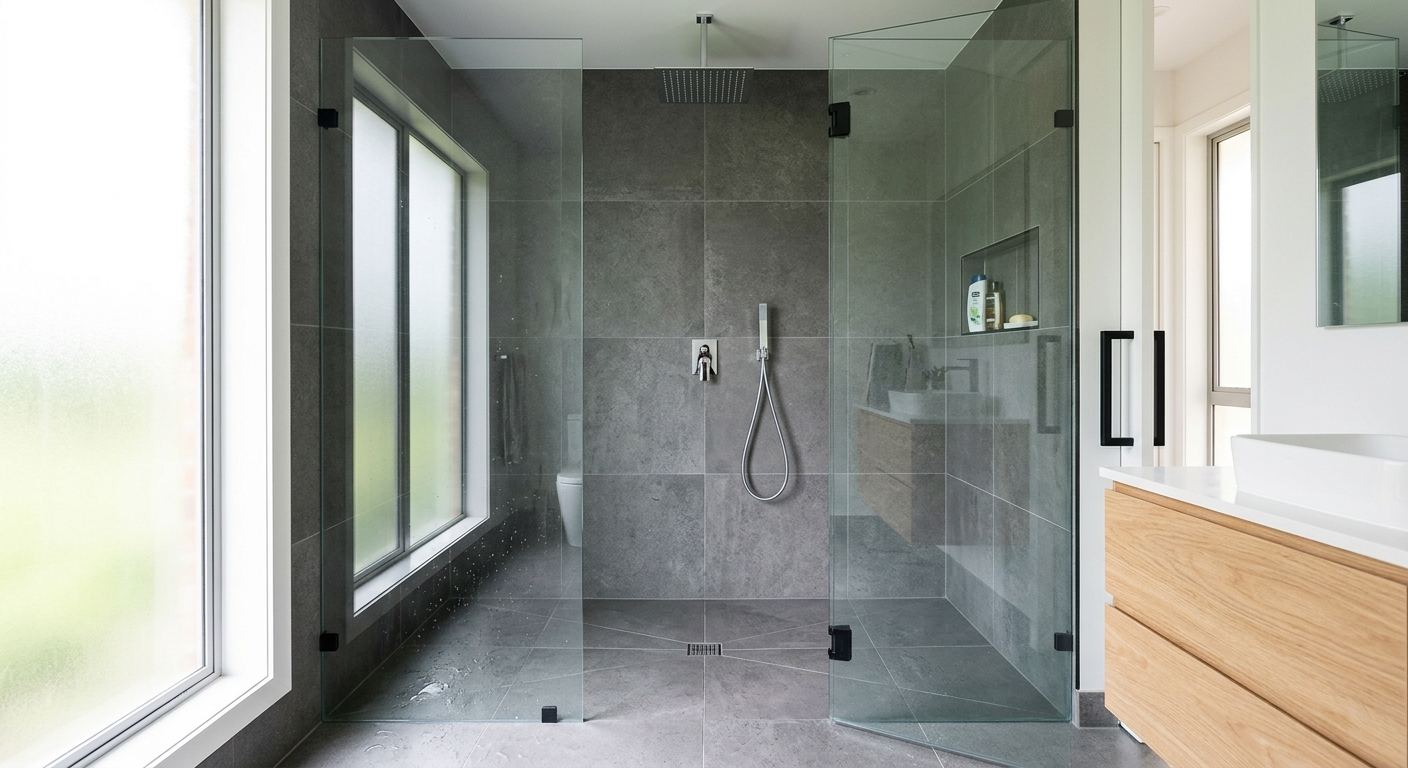
Bathroom renovation options and costs in Qualicum Beach
Qualicum Beach homeowners have a lot of choice when it comes to bathroom renovations, from simple refreshes to full rebuilds. The biggest budgeting wake-up call is that many local homes are older: about 27.3% were built before 1981, which often means legacy plumbing layouts, dated venting, and hidden materials that are hard to assess until the walls come open. With 3,855 homeowner households in the community (86.9% of households own), it’s common to see renovations tied to long-term comfort and durability rather than quick cosmetic changes alone.
On Vancouver Island and the Coast, the mild maritime climate helps reduce extremes, but renovation costs are driven more by the labour market and the age of the housing stock. Trades availability in peak season can move schedules, and once you open up bathrooms you may discover cast-iron or galvanized plumbing, inadequate fan ducting, or old wiring that no longer matches today’s BC electrical expectations. In pre-1980 homes, there’s also the possibility of asbestos-containing materials in floor finishes, drywall compounds, or insulation—when that happens, projects can add time and cost for proper handling.
In Qualicum Beach’s popular Qualicum Central and waterfront-adjacent areas, trade demand runs high because many renovations are full-service (tile, waterproofing, plumbing upgrades, and electrical updates) rather than patchwork. That’s why getting a detailed scope matters before you compare numbers—use the guide below to line up your goals with a realistic budget, then we’ll break down what changes the price in Section 2.
| Renovation Scope |
What's Included |
Typical Duration |
Price Range |
| Cosmetic refresh (paint, fixtures, accessories only) |
Paint, replace vanity faucet and/or taps, swap toilet (if desired), update towel bars, mirror, lighting trim, re-caulk |
1–3 days |
$2,000–$6,000 |
| Mid-range full renovation (new tile, vanity, tub/shower, electrical) |
Demolition, subfloor checks, new vanity, toilet, tub/shower surround, wall and floor tile, exhaust fan (upgrade), GFCI where required, basic electrical refresh, waterproofing system, disposal |
2–4 weeks |
$12,000–$24,000 |
| High-end full renovation (custom tile, steam shower, heated floors) |
Full demolition, custom shower/tub layout, higher-end tile and trim, bonded waterproofing or sheet membrane system, heated floor circuit, premium fixtures, glass enclosure (if shower), upgraded venting and electrical, enhanced lighting |
4–6 weeks |
$25,000–$45,000 |
| Shower-only installation (convert tub to walk-in shower) |
Remove tub, install walk-in shower pan and walls, curb/threshold waterproofing, new drain/valve components as required, glass door or fixed panel, exhaust/fan check, new tile |
2–3 weeks |
$8,000–$16,000 |
| Bathtub replacement or tub-liner install |
Replace with new tub and surround, or install liner where feasible, new caulking/grout detailing, plumbing re-fit, leak test, basic electrical/vent checks |
5–10 days |
$3,000–$8,000 |
| Tile-only installation (floor + surround, existing layout kept) |
Demo limited to tile areas, new waterproofing where tile is removed, tile floor and/or shower surround, grout/seal, reinstallation of trim (layout unchanged), existing fixtures reused where possible |
1–2 weeks |
$4,000–$14,000 |
Prices are estimates only and vary by project scope, site access and material selection.
What affects the price of bathroom renovation in Qualicum Beach
Two quotes for the “same” bathroom can easily differ by 30–50% across Vancouver Island and Coast because bathroom work has hidden-variable scope: labour hours, trade coordination, and the condition of concealed materials. In southern BC, general contractors commonly bill around 80–120 per hour, while plumbers and electricians are often in the 100–150 per hour band. When demolition reveals issues, the hourly cost quickly turns into a larger budget than homeowners expect—especially in communities like Qualicum Beach where many homes are older.
It’s less about the climate and more about what the climate’s moisture teaches us to inspect. Coastal humidity and frequent wet/dry cycling put extra emphasis on proper ventilation and waterproofing details. In older homes (like those built before 1981, which make up 27.3% of local dwellings), it’s also common to find cast-iron or dated copper drains, galvanized supply lines, and ventilation fans that vent poorly or are undersized. Those upgrades inflate rough-in and permit scope. If asbestos-containing materials are discovered—sometimes in pre-1985 floor tile products or drywall compounds—abatement can add roughly $1,500–$5,000+ and extend timelines.
In Qualicum Beach, examples that raise costs include: (1) replacing a shower valve because the existing rough-in doesn’t match a new trim package; (2) adding a properly ducted exhaust fan when the existing fan discharges into an attic cavity; and (3) correcting an unlevel subfloor before tile installation. On the other hand, you can sometimes keep costs closer to the $10,000–$35,000 full-reno band when you maintain the plumbing layout and your subfloor is sound. That’s why the table below focuses on the key factors that make projects land at the low end or high end.
| Price Factor |
Why It Matters |
Cost Impact |
| Layout change — moving drain or supply lines requires rough-in work |
New plumbing runs and wall openings add labour and may trigger permit/inspection |
Often +$2,000–$7,000 |
| Tile selection — large-format porcelain vs. mosaic vs. ceramic |
Higher-end products can be heavier, more precise, and demand more labour time |
Often +$1,000–$6,000 |
| Fixture tier — builder-grade vs. mid-range vs. designer brands |
Material and trim costs rise, and valve compatibility can affect labour |
Often +$500–$4,000 |
| Subfloor condition — rot or unlevel concrete adds scope |
Repairs and additional backer/prep work are necessary for warranty-grade tile installs |
Often +$1,000–$5,000 |
| Electrical — adding GFCI outlets, exhaust fan, heated floor circuit |
Licensed electrical work is required and can add panels, wiring, and permits |
Often +$800–$4,500 |
| Waterproofing method — membrane type and extent |
Better systems cost more but reduce long-term risk of mould and leaks |
Often +$600–$3,500 |
| Older-home surprises — asbestos tile, cast-iron drains, galvanized pipes |
Discovery changes the work plan and may require professional abatement and upgrades |
Often +$1,500–$10,000+ |
| Bathroom size — sq ft drives tile and labour time directly |
More area means more prep, more thinset, more layout time, and longer demo/installation |
Often varies widely (+$3,000–$12,000) |
Permits & regulations in British Columbia
In British Columbia, not every bathroom update requires a permit, but changes that affect plumbing, electrical circuits, or structural elements usually do. Cosmetic updates—such as swapping a vanity, replacing fixtures that don’t change the plumbing rough-in, retiling within the same shower footprint, or painting—often do not require a permit by themselves. However, the moment you relocate plumbing (moving a drain or supply line), add or significantly modify an exhaust fan duct path, or make changes that affect walls and framing, you should expect permit and inspection requirements.
Electrical work must meet BC electrical code and be performed by a licensed electrician (or signed off by one). Typical permit-triggering electrical upgrades include adding a new circuit for heated floors, adding GFCI protection where it doesn’t exist, and wiring a new exhaust fan if it requires new wiring or circuit changes. Plumbing rough-in changes—like changing the valve location, replacing drain assemblies, or altering venting connections—typically require a permit and inspection. If asbestos-containing materials are uncovered, abatement work must follow proper safety and handling procedures.
To verify a contractor in Qualicum Beach step-by-step: first, confirm their BC trade licence status on the appropriate provincial registry; second, request a certificate of insurance and ensure it’s current and includes liability coverage; third, ask for proof of workers’ compensation coverage (WCB/clearance letter) relevant to their workforce; fourth, make sure permit pulling (if required) is clearly stated in the contract; and finally, don’t rely on verbal confirmation—get it in writing before demo starts.
Choosing tile, waterproofing and fixtures for your Qualicum Beach bathroom
For most Qualicum Beach bathroom renovations, the budget is shaped by three material decisions: tile choice, waterproofing method, and fixture tier. Tile sets the tone visually, but it also determines labour complexity. Ceramic tile is a solid entry point for many bathrooms, especially when layouts are simple. Porcelain tile (a denser, more water-resistant option) often performs better for floors and wet areas, though it requires careful subfloor prep and accurate layout. Natural stone—like slate, travertine, or marble—looks premium but can require more labour for selection, sealing, and finish consistency.
Waterproofing is where the coastal climate matters. Vancouver Island’s humidity and frequent shower use demand a system that’s continuous and properly detailed at corners, transitions, and penetrations. A paint-on membrane can work as part of the system, but bonded sheet membranes or premium multi-layer systems often provide more robust protection when installed correctly. In practice, we commonly plan waterproofing around the shower assembly type—especially for niche boxes, bench seats, and linear drain layouts—because failures almost always occur at details, not in the middle of flat walls.
Fixture tier affects both first cost and long-term satisfaction. Builder-grade fixtures can be budget-friendly but may wear faster or have limited adjustability. Mid-range fixtures often hit the sweet spot for valve function, finish durability, and ease of service. Designer brands can be worth it if you’re also investing in good waterproofing and a quality install.
Example: upgrading from standard ceramic to mid-range porcelain and allocating more labour to waterproofing details might add a few thousand dollars to a project; that’s often justified when it moves your renovation from a “tile replacement” feel into a warranty-grade system that holds up for years.
| Material / Option |
Pros |
Cons |
Price Range |
| Ceramic tile (floor + walls) |
Good value, wide colour/style range, comfortable underfoot when installed properly |
Can chip if subfloor prep is poor; less forgiving for water exposure than porcelain |
$2,500–$7,000 |
| Porcelain tile (floor + walls) |
Durable, lower water absorption, ideal for floors and wet zones; consistent manufacturing |
Heavier and can cost more to supply; needs accurate layout and prep |
$5,000–$10,000 |
| Natural stone (marble, travertine, slate) |
Premium look, unique character, excellent for feature walls |
Sealing and maintenance, harder to match/repair; layout and finishing require care |
$8,000–$18,000 |
| Frameless glass shower enclosure |
Modern appearance, easier visual cleaning, works well with tile shower walls |
Higher supply cost; requires precise measurements and stable framing |
$3,000–$8,000 |
| Prefab tub surround (acrylic) |
Faster install, fewer grout joints than tile, smooth and easy to maintain |
Limited design variety; seams still need proper detailing to prevent moisture issues |
$1,500–$4,500 |
| Custom shower pan (tile or linear drain) |
Clean, seamless look; excellent drainage design; accommodates modern layouts |
More detailed waterproofing; needs skilled installation and correct slope |
$4,500–$12,000 |
How to choose a bathroom renovation contractor in Qualicum Beach
Choosing the right bathroom contractor in Qualicum Beach starts with verifying credentials and matching scopes—not just chasing a number. In British Columbia, confirm they hold the appropriate trade licence for their work category, and request a current certificate of liability insurance. For coverage, ask for proof of workers’ compensation status (WCB/clearance letter) that applies to their employees/subcontractors. If they can’t provide these documents on request, it’s a sign to keep looking.
Next, get 2–3 itemised written quotes with a labour and materials breakdown rather than a single lump-sum. Make sure each quote describes what’s included for demo, subfloor prep, waterproofing method, fan/vent work, electrical rough-in if needed, disposal, and any permitting responsibilities. Read exclusions carefully: common exclusions include code upgrades, subfloor repairs, and disposal of specific materials. Warranty terms should be clear: look for workmanship warranty duration, product/manufacturer warranty details, and whether warranties transfer if you sell your home.
For payment scheduling, never pay more than 10–15% upfront. Use a staged schedule tied to milestones (e.g., after rough-in inspection, after waterproofing inspection sign-off, after tile completion). Hold back remaining funds until the job is complete and deficiencies are corrected. Finally, request the start date and a completion estimate in writing, including an allowance for permit lead times and scheduling of tile and glass installation.
- Provide BC trade licence details specific to the work being quoted.
- Show current liability insurance certificate (not expired).
- Confirm workers’ compensation coverage / WCB clearance letter.
- Use itemised quotes (labour vs materials) for easy apples-to-apples comparison.
- Spell out waterproofing brand/system and how it will be applied at corners and penetrations.
- State who pulls permits and whether inspections are included.
- List disposal and dump fees—don’t assume they’re included.
- Include allowances for tile trim, niche/shelf builds, and glass hardware (if applicable).
- Describe electrical scope: GFCI, exhaust fan, lighting updates, heated floor circuit if chosen.
- Confirm plumbing scope: valve replacement, drain upgrades, pressure tests and leak testing.
- Provide a written warranty for workmanship and clarify transferability at resale.
- Use a payment schedule with a holdback until punch-list items are resolved.
Red flags we commonly see in Qualicum Beach include: vague scope descriptions (“all work as required” with no detail), no proof of licence/insurance/WCB, quotes that ignore waterproofing type, payment requests that ask for large upfront amounts, and contractors who won’t put permits, timelines, and warranty terms in writing.
Frequently asked questions — bathroom renovation in Qualicum Beach
What adds the most resale value in a bathroom reno?
In Qualicum Beach (and across BC), the resale value jump is usually driven by perceived quality and long-term reliability, not just finishes. Homebuyers notice modern, clean waterproofing details, updated ventilation (a properly ducted exhaust fan), and fixtures that look current and function smoothly. A mid-range full renovation with durable tile and a well-fitted vanity/tub or shower upgrade tends to land in the typical $12,000–$24,000 range, while more extensive upgrades with heated floors or premium glass often go higher. In older homes built pre-1981, resale value also improves when plumbing upgrades remove concerns about dated layouts, undersized venting, or potential leak risks. If you’re planning to sell soon, prioritize envelope integrity and quality installation over the most expensive fixture brand.
Can I keep my existing plumbing layout to save money?
Yes—keeping your existing plumbing layout is one of the most reliable ways to control cost in Qualicum Beach. If the drain and supply locations don’t move, you avoid extra rough-in labour, additional wall opening, and often reduce the permit/inspection scope. That’s especially helpful in older homes where hidden piping issues can appear once demolition starts. Many projects stay closer to the lower end of the full-reno band ($10,000–$35,000) when the contractor can rework around the existing valve and drain positions. You can still modernize everything else: new tile, new vanity, better exhaust fan performance, updated lighting, and even converting a tub to a shower if the valve and drain align well. A thorough site inspection and a clear scope comparison will tell you whether the layout is truly feasible.
How much does a walk-in shower cost in Qualicum Beach?
On Vancouver Island and the Coast, converting a tub to a walk-in shower commonly falls around the shower installation band of $4,000–$15,000, depending on glass, tile complexity, and whether plumbing needs adjustments. For many Qualicum Beach homes, a typical range lands near $8,000–$16,000 when you include a new shower pan assembly, tile surround, waterproofing system, valve/trim updates, and glass enclosure hardware. Costs move up if the subfloor needs repair, if the existing venting is inadequate, or if electrical changes are required for new lighting. If you choose linear drain or premium porcelain and add heated floors, expect the high end of the range. A detailed quote should break down the drain/valve, waterproofing, and enclosure components separately.
What's the ROI on a bathroom renovation?
ROI in BC isn’t one fixed number, because resale value depends on condition of the rest of the home, the buyer market at sale time, and how the renovation is perceived. That said, bathroom upgrades generally protect value when they reduce obvious maintenance risks: correct waterproofing, reliable drainage, and modern ventilation. For homeowners aiming for ROI, a mid-range full renovation ($12,000–$24,000) often balances quality materials with predictable labour. In older pre-1981 homes (27.3% of local dwellings), upgrading plumbing and venting can be the difference between “nice finishes” and “solves a problem,” which buyers respond to during inspection. If you’re considering a high-end renovation with heated floors or steam, it can improve lifestyle, but ROI depends heavily on whether the rest of the home matches that quality level.
Do I need waterproofing behind the tile?
Yes—if you’re installing tile in wet zones (shower walls, shower floors, tub surrounds), waterproofing behind the tile is the standard for long-term performance. In British Columbia’s humid coastal environment, bathrooms experience constant moisture cycling, so the system must be continuous at corners, seams, and all penetrations (valves, niches, grab bars). Modern waterproofing isn’t just “paint on and hope”; it’s a planned assembly that matches your tile build-up. The right method (bonded membrane or sheet membrane, with correct detailing) can reduce mould risk and leak failures that otherwise show up after grout cracks. Your contractor should specify the waterproofing system in writing, including where it’s carried out (full shower envelope vs partial). Skipping it is one of the biggest shortcuts that leads to expensive rework.
How do I compare bathroom renovation quotes?
Start by comparing scope line-by-line, not the total price. In Qualicum Beach, where older housing stock is common, one quote may include permit pulls, waterproofing type, or subfloor repairs and another may not. Ask for itemised breakdowns of labour and materials: demo, prep, waterproofing system, tile installation method, electrical scope (GFCI, exhaust fan, heated floors), and plumbing rough-in (valve/drain upgrades, leak testing). Confirm disposal fees and whether the contractor is responsible for permits and inspections. Look for warranty details: workmanship length and product warranties. Finally, check payment schedule and timeline in writing. If you’re comparing a cosmetic refresh quote versus a mid-range full renovation, make sure the scope matches; otherwise you’ll be comparing apples to timelines.