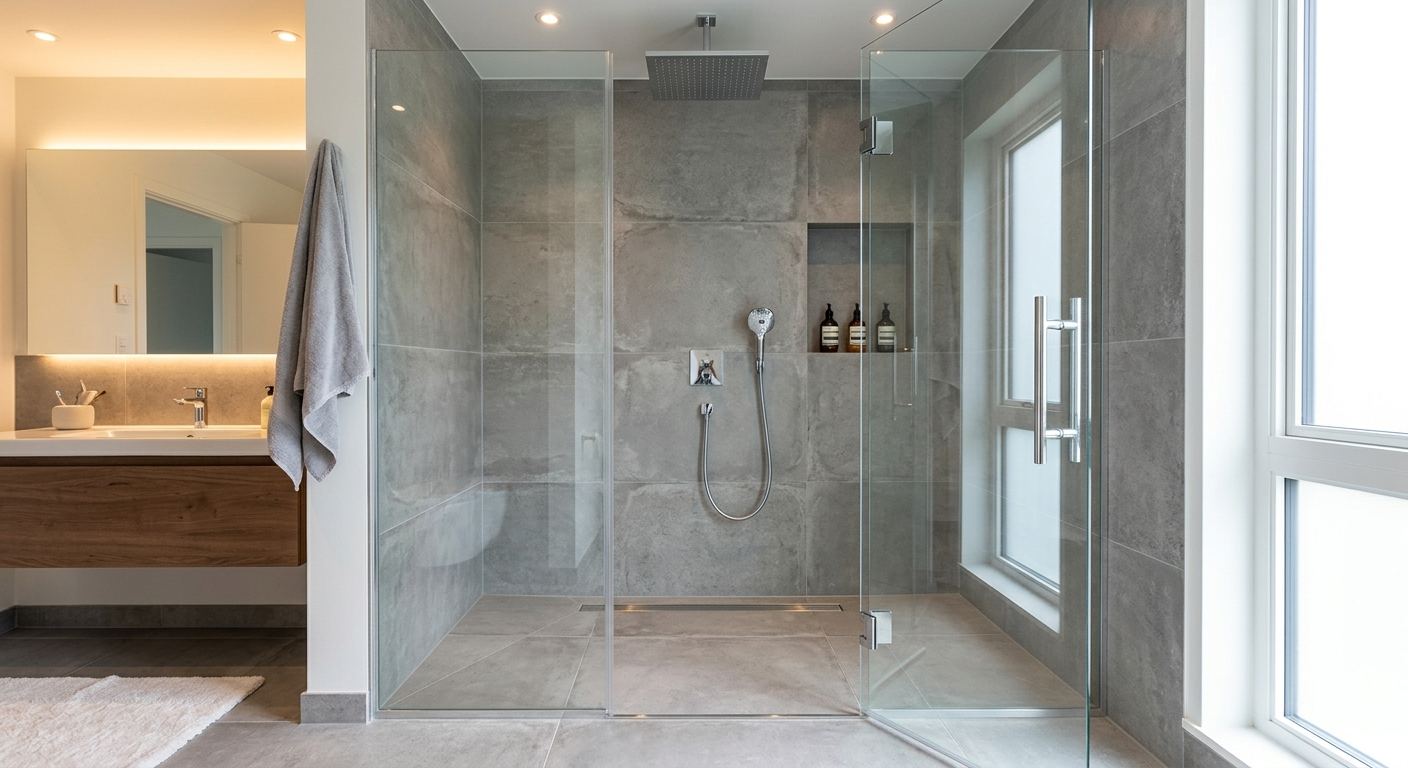
Bathroom renovation options and costs in Casa Loma
Casa Loma is a neighbourhood where many homeowners are working with older, established houses, and that matters when you’re planning a bathroom renovation. In this area, dated plumbing layouts and finishes are common, particularly in homes built before 1980—when you open walls and floors, you can uncover hidden issues like cast-iron or undersized drains, aged venting, and remnants that may require asbestos-aware handling. Toronto’s housing base is also relatively dense, with more trades competing for schedules; that keeps bathroom work labour-intensive and puts pressure on availability when demand is high. For context, the Toronto region includes 10,968 residents in Casa Loma (Statistics Canada, 2021 Census), which contributes to steady contractor demand and fairly consistent pricing across the local market.
Toronto pricing is driven less by harsh weather than by the labour required to safely redo plumbing, waterproofing, and tile work. While Ontario’s humidity and seasonal temperature swings don’t “change” the fundamentals of bathroom construction, they do increase the importance of proper ventilation and reliable waterproofing systems—so contractors price waterproofing and exhaust work into budgets rather than treating it as an afterthought. In high-demand parts of Casa Loma—especially around the south and east sides where many homes are close to parks and mature streets—skilled tilers and licensed plumbers often get booked quickly, so realistic quotes tend to reflect labour premium and potential code upgrades for older drain and vent systems.
Use the table below to compare common renovation paths and typical durations, then we’ll break down what most affects the final number for your specific scope.
| Renovation Scope |
What’s Included |
Typical Duration |
Price Range |
| Cosmetic refresh (paint, fixtures, accessories only) |
Paint, new vanity or faucet, toilet/lighting swaps if existing rough-in stays, mirror, accessories, caulking and minor drywall touch-ups |
3–5 days |
$3,000–$7,000 |
| Mid-range full renovation (new tile, vanity, tub/shower, electrical) |
Demo and disposal, updated waterproofing, floor + wall tile, vanity replacement, tub or surround update, GFCI & exhaust fan upgrade, basic plumbing refresh, new trim/finishes |
10–15 days |
$12,000–$20,000 |
| High-end full renovation (custom tile, steam shower, heated floors) |
Custom layout refinements, premium tile and niche work, bonded membrane/advanced waterproofing, steam shower or high-spec shower system, heated floor circuit, enhanced lighting, upgraded plumbing vents/shut-offs if needed |
18–28 days |
$22,000–$30,000 |
| Shower-only installation (convert tub to walk-in shower) |
Remove tub, install shower pan and waterproofing, tile surround, new controls, curb or linear drain option, exhaust fan tie-in, plumbing rework for drain location |
7–14 days |
$8,000–$16,000 |
| Bathtub replacement or tub-liner install |
Remove and install new tub and surround, or install a certified liner where feasible, recaulk and connect fixtures, basic tile touch-up, test for leaks |
4–8 days |
$1,200–$3,500 |
| Tile-only installation (floor + surround, existing layout kept) |
Tile removal/prepare, new floor and wall tile, waterproofing system where required, grout/seal, reinstallation of fixtures with minimal plumbing changes |
7–12 days |
$3,000–$10,000 |
Prices are estimates only and vary by project scope, site access and material selection.
What affects the price of bathroom renovation in Casa Loma
In the Toronto economic region, quotes for the same bathroom can vary by 30–50% even when the finish level looks similar. The main driver is labour: tile setting, waterproofing coordination, and careful plumbing changes are time-consuming, and GTA trades charge a premium because skilled work is in constant demand. The second driver is the age of the housing stock. Casa Loma includes many older post-war and 1960s–1980s homes, where drains, vents, and supply lines may be undersized, poorly routed, or mismatched across renovations. In practice, that means more time on rough-in work, shut-off placement, drain reconfiguration and ventilation corrections, pushing projects into the full-renovation bands that sit above national averages (for example, mid-range full renovations often land in the $12,000–$20,000 range, with high-end scopes reaching $22,000–$30,000).
Even if you’re “not changing the layout,” older homes can still add cost after discovery. For example, if tile is removed and asbestos-containing materials are present in older floor tile or drywall compound (commonly seen in pre-1985 homes), abatement protocols can add $1,500–$5,000+ depending on how much material is affected and how far the work must extend. Another example: if an inspector or plumber finds cast-iron drain sections that need replacing or re-venting, you’re not just replacing pipe—you’re reworking access, patching subflooring, and sometimes adjusting framing.
In Casa Loma, two common cost swings are: (1) discovery of galvanized supply lines (may require a full supply refresh), and (2) whether your bathroom has enough room to improve exhaust venting for better moisture control. Those aren’t climate surprises; they’re job-scope realities. That’s why a contractor might quote one number for a surface refresh, but another for a full renovation that includes safe waterproofing, code-aligned drainage, and electrical updates.
| Price Factor |
Why It Matters |
Cost Impact |
| Layout change — moving drain or supply lines |
Requires rough-in work, access cutting, patching, and additional code-compliant routing |
+$3,000–$8,000 |
| Tile selection — large-format porcelain vs. mosaic vs. ceramic |
Different cutting demands, heavier materials, and more complex patterning increase labour and waste |
+$1,500–$6,000 |
| Fixture tier — builder-grade vs. mid-range vs. designer brands |
Higher-end valves, trims and basins often require more adjustment and more expensive components |
+$800–$4,500 |
| Subfloor condition — rot or unlevel concrete adds scope |
May require removal, rebuild, and extra backer/underlayment prep to protect waterproofing |
+$1,000–$6,000 |
| Electrical — adding GFCI outlets, exhaust fan, heated floor circuit |
Licensed electrician labour, new circuits, and proper protection can’t be skipped for safety |
+$800–$4,000 |
| Waterproofing method — membrane type and extent |
Correct system selection and coverage prevent leaks and mould in Ontario humidity |
+$800–$3,500 |
| Older-home surprises — asbestos tile, cast-iron drains, galvanized pipes |
Abatement, pipe replacement, vent corrections and additional labour to make systems code-compliant |
+$1,500–$10,000+ |
| Bathroom size — sq ft drives tile and labour time directly |
More walls/floor area increases labour hours, thinset/grout use, and drying/inspection time |
Varies by scope (often +$2,000–$7,000) |
Permits & regulations in Ontario
In Ontario, many bathroom updates can be done without a permit, but certain work requires permitting and inspections. In general, cosmetic updates — swapping a vanity, replacing a toilet with the same rough-in location, repainting, changing lighting fixtures (where wiring remains unchanged), and retiling using the existing plumbing layout — typically do not trigger a permit. By contrast, if you’re changing the location of plumbing (moving a drain or supply line), adding or relocating a showerhead valve, or making structural wall changes, you should expect that permits and inspections are required.
Electrical work also has clear boundaries. If you add circuits, install a new exhaust fan with a new connection, add heated flooring, or add new GFCI-protected outlets, that electrical work must meet the Ontario electrical code and be done or signed off by a licensed electrician. For plumbing rough-in changes, most projects require a permit and inspection because the work involves concealed piping and venting verification.
For a Casa Loma homeowner, verify the contractor before they start: (1) request the contractor’s Ontario trade licence (where applicable to their trade), (2) ask for a current certificate of insurance showing liability coverage, and (3) confirm their WSIB/WCB coverage or how they handle coverage for workers. Where to look: use the applicable online licence registry for the contractor/trade, then check the certificate of insurance directly for validity dates and limits, and finally request a clearance letter or coverage proof for WSIB/WCB. Keep copies in your renovation file and ensure the scope matches what’s permitted.
Choosing tile, waterproofing and fixtures for your Casa Loma bathroom
Your budget in Casa Loma is mostly shaped by three material decisions: tile choice, waterproofing system, and fixture tier. First, tile selection affects not just the material cost but the installation complexity. Ceramic tile is usually the entry option and can be cost-effective when you keep the design simple. Porcelain is denser and often handles wet areas better, but it can require more precise layout and cutting. Natural stone (marble, travertine, slate) looks exceptional, yet it typically costs more and may need extra sealing and careful handling during installation.
Second, waterproofing is what keeps a bathroom dry in Ontario’s real-world humidity. A proper method can prevent mould behind walls and grout failure over time. In most full renovations, a paint-on membrane may work for limited areas, but for showers it’s often the bonded waterproofing approach (membrane system and compatible accessories) that delivers the best risk control when installed correctly. Third, fixture tier impacts both immediate cost and long-term satisfaction. Builder-grade fixtures can be perfectly functional; mid-range and designer options often improve valve feel, finish durability, and resale appeal.
Consider a concrete example: if you upgrade shower tile and waterproofing from a basic approach to a higher-spec system, you might spend an extra $1,500–$3,000 on waterproofing materials and labour. That’s justified when you’re doing a full shower rebuild and want the performance to match the tile and plumbing investment. If your budget is tight, it’s usually wiser to protect the waterproofing quality than to chase the most expensive stone finish.
| Material / Option |
Pros |
Cons |
Price Range |
| Ceramic tile (floor + walls) |
More budget-friendly, widely available, good for simple patterns |
Can be more prone to chipping; heavier grout lines if using mosaics |
$3,000–$7,500 |
| Porcelain tile (floor + walls) |
Higher density for wet areas, strong wear resistance, cleaner modern looks |
More expensive tile; larger formats can raise labour for layout and cutting |
$5,000–$10,000 |
| Natural stone (marble, travertine, slate) |
Luxury look and feel, unique veining, strong curb appeal for resale |
Requires sealing/maintenance; substrate prep and installation are more demanding |
$8,000–$18,000 |
| Frameless glass shower enclosure |
Brightens the bathroom, modern appearance, easier cleaning |
Higher hardware cost; alignment and shimming must be precise |
$2,500–$6,500 |
| Prefab tub surround (acrylic) |
Fast install, durable surface, typically less tile labour |
Less “custom” look; limited design options versus full tile |
$1,200–$3,500 |
| Custom shower pan (tile or linear drain) |
Creates a seamless spa look, improves drainage with linear or sloped pan |
More labour and exact waterproofing details; layout changes cost more |
$4,000–$12,000 |
How to choose a bathroom renovation contractor in Casa Loma
Start by verifying Ontario compliance and coverage, then move to how clearly the contractor prices your scope. Ask for the contractor’s Ontario trade licence information (as applicable to their work), current liability insurance, and WSIB/WCB coverage proof for workers. To check: request the certificate of insurance and confirm it’s active, matches the contractor name, and includes renovation-related work; for WSIB/WCB, ask for clearance/coverage documentation rather than relying on verbal assurances. These checks are especially important in older Toronto homes where demolition can uncover hidden materials and additional work.
Next, get 2–3 itemised written quotes. You want breakdowns by labour and materials, not one lump sum. The scope should state what’s included (demo, disposal, waterproofing method, tile install approach, exhaust fan supply/installation, plumbing test and leak verification) and what’s excluded (permit fees, asbestos abatement contingency, drywall patching level, subfloor rebuild, electrical upgrades). Confirm whether permits are included or handled by you, and whether disposal is priced in.
Warranty matters: look for a workmanship warranty (often covering tile and waterproofing install) and separate product/manufacturer warranties. Ask whether warranties are transferable if you sell the home—this is a major consideration for resale in Casa Loma. For payments, don’t exceed about 10–15% upfront; hold back until the job is complete and the final walkthrough is done. Get a written start date and a completion estimate so you can plan around demolition and drying times.
- Use itemised quotes: labour hours, materials, and allowances (not vague line items).
- Confirm the waterproofing system name and coverage area (especially in shower zones).
- Ask who pulls the permit (if needed) and whether inspections are scheduled.
- Verify electrical work is by a licensed electrician and that GFCI/exhaust is included.
- Request proof of liability insurance and WSIB/WCB coverage before signing.
- Check the disposal plan for demolition materials and tile waste.
- Clarify what’s included if older plumbing is found to be out of code.
- Demand a timeline with milestones: demo, rough-in, waterproofing, tile, fixtures.
- Ask how they handle unlevel subfloors and subfloor rebuilds.
- Get fixture and tile brand/model selections written into the contract.
- Confirm caulking/grout details and sealing schedules for stone (if selected).
- Review warranty length and coverage in writing, including transferability.
Concrete red flags: (1) quoting a “full renovation” without specifying waterproofing method and shower leak testing, (2) refusing to provide WSIB/WCB clearance or insurance documents, (3) charging large upfront payments beyond 10–15% without a detailed materials schedule, (4) giving only a lump-sum number with no allowances for tile, plumbing unknowns, or electrical, and (5) starting demolition before confirming permit requirements and trade sign-offs when plumbing/electrical is changing.
Frequently asked questions — bathroom renovation in Casa Loma
Do I need waterproofing behind the tile?
In a Casa Loma bathroom, waterproofing behind tile is strongly recommended and, in most shower areas, effectively non-negotiable. Even with excellent grout, water can migrate through joints over time if the assembly isn’t sealed correctly. For wet zones (especially where you have a shower/tub surround), contractors typically use a dedicated waterproofing system that matches the substrate and tile method, with proper sealing of seams, corners and penetrations. This is one reason GTA renovations often fall into the broader full-renovation range of about $12,000–$30,000 depending on finish level and complexity—waterproofing labour and compatible materials are part of doing it right, not an optional add-on. Also, Ontario moisture and ventilation matter: a functional exhaust fan helps, but it doesn’t replace waterproofing.
How do I compare bathroom renovation quotes?
Compare quotes like-for-like by insisting on an itemised breakdown. Ask each contractor to list labour and material costs separately, including demolition/disposal, waterproofing approach, tile installation scope, electrical items (GFCI outlets, exhaust fan, heated floors if applicable), and any plumbing rough-in changes. In older Casa Loma homes, also compare how they handle unknowns: do they include allowances for subfloor repair, venting corrections, or potential asbestos-aware remediation if older materials are disturbed? A quote that looks cheaper at first can be missing permit handling, waterproofing coverage, or disposal—those gaps often explain differences that can reach 30–50% across the Toronto region. As a sanity check, if you’re being quoted near the low end of a full renovation (around $12,000–$20,000), confirm the waterproofing and tile scope are complete; if it’s pitched near $22,000–$30,000, it should clearly reflect higher-end finishes or complex plumbing/electrical rerouting.
Can I live at home during a bathroom renovation in Casa Loma?
Often yes, but it depends on your layout and the scope. If you’re doing a cosmetic refresh, you may be able to live at home with minimal disruption. For mid-range or high-end full renovations, you should plan for limited bathroom access: most homeowners can’t comfortably shower during tile-and-waterproofing phases, and plumbing shutoffs during rough-in work make the shower/tub temporarily unusable. A shower-only conversion (common when converting tub to walk-in) is sometimes manageable with a temporary wash setup, but it still means a week or two of downtime. If your home has a second bathroom, staying home is much easier. In Casa Loma, consider dust control, debris removal timing, and scheduling deliveries when you’re at work or out of the house, especially in older homes where surprises like subfloor repairs can extend timelines.
What’s the best bathtub material for a Casa Loma home?
The “best” bathtub material comes down to your durability expectations, installation method, and the rest of your bathroom finishes. Common options include acrylic tubs, which are lightweight for easier installation and tend to do well with standard renovations; they’re often a cost-efficient choice when you want to land near the $1,200–$3,500 band for replacement or tub-liner style upgrades. Enamel/steel can also be durable but may feel colder and can be heavier depending on model and base. For older Casa Loma plumbing or subfloor conditions, acrylic’s lighter handling can simplify installation when access is tight. If you’re doing a full renovation anyway, the bigger performance factor is the waterproofing at the tub perimeter and how the surround is sealed, not only the tub material. Your contractor should test for leaks and detail the waterproofing approach around the tub lip and joints.
Is it worth renovating a bathroom before selling in Casa Loma?
Frequently, yes—especially when your bathroom is outdated, showing wear, or has functional issues like poor ventilation, aging fixtures, or dated tile that’s failing. In a competitive Toronto-area market, a clean, well-waterproofed bathroom can improve buyer perception because it reduces perceived risk. However, the value you get is strongest when you focus on problem-solving upgrades rather than purely cosmetic changes. For example, upgrading the exhaust fan and ensuring proper waterproofing behind tile can prevent moisture-related deterioration that buyers notice during inspection. If your budget aligns with mid-range full renovations (often $12,000–$20,000), you can achieve a strong, modern result without going all-in on the highest-end steam/shower/heated-floor combinations ($22,000–$30,000). The key is to keep changes practical and aligned with the home’s existing layout unless you’re prepared for added permit and plumbing rough-in scope.
How do I plan a bathroom renovation on a tight budget in Casa Loma?
On a tight budget in Casa Loma, focus on reducing scope risk while still buying quality where it matters. First, keep the plumbing layout as-is when possible; moving drains/supplies is one of the biggest cost drivers because it triggers rough-in work and often permit requirements. Second, prioritize waterproofing and ventilation—this is where you should not cut corners, since Ontario humidity makes moisture control essential. Third, choose tile that balances look and labour: porcelain is usually a better long-term choice than the cheapest ceramic in wet areas, but you can save money by using simpler patterns and limiting complex niches. You can often hit a workable plan by doing a tile-only or cosmetic refresh plus essential updates rather than a full rebuild; or, if you need a full renovation, aim for the mid-range band and keep fixtures and finishes mid-tier. Finally, build in a contingency for older-home surprises (subfloor repair, vent corrections, or abatement if older materials are discovered) so the project doesn’t stall.