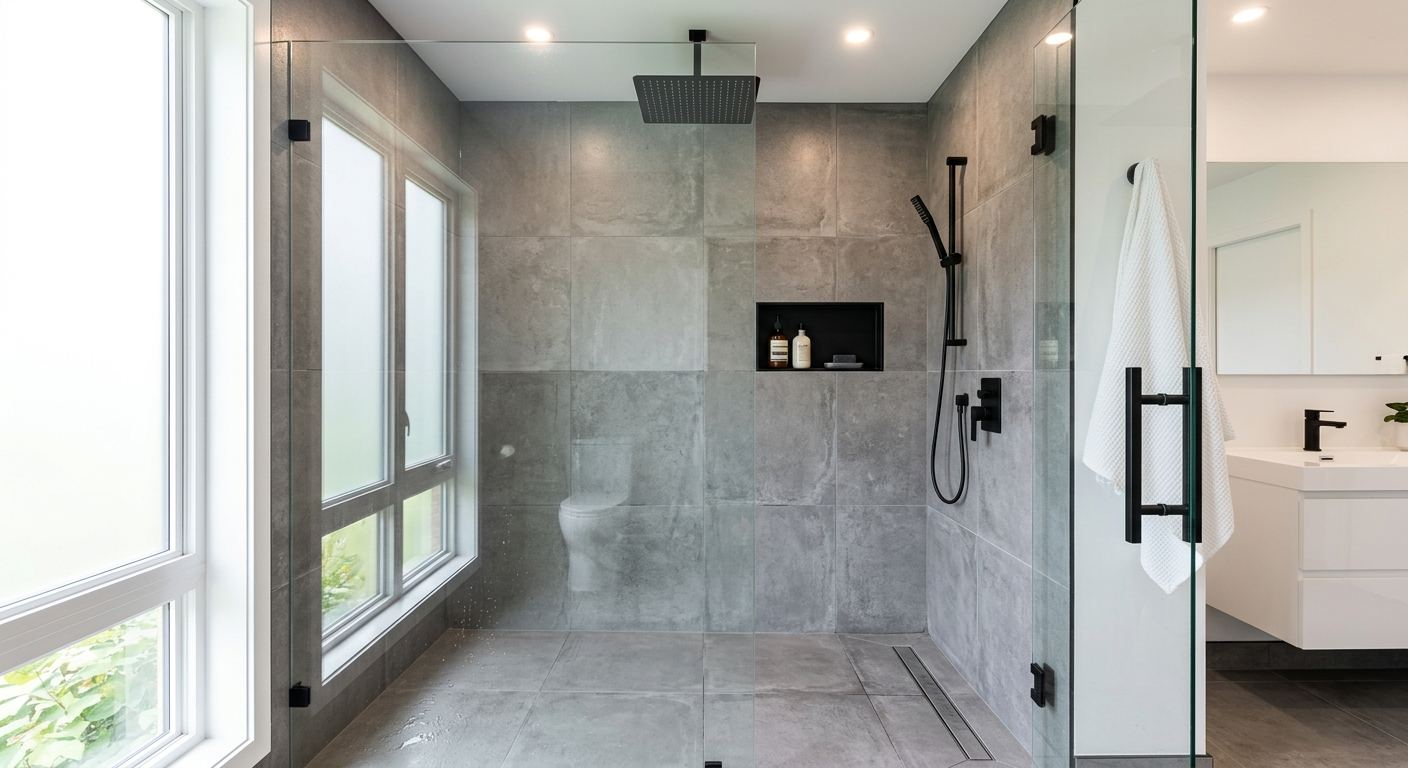
Bathroom renovation options and costs in Conservation
Bathroom renovation options in Conservation, Ontario tend to fall into a few clear cost tiers, but the final number is usually determined by what gets hidden once demo starts. Conservation’s small local population (3,095 people, Statistics Canada, 2021 Census) means fewer trades available at any one time, so scheduling can affect pricing—especially for tiling, waterproofing, and custom shower plumbing. Just as important, Toronto-area housing stock is often older; in many Conservation-area neighbourhoods, dated layouts from pre-1980s eras can mean cast-iron drain sections, undersized venting, or older electrical pathways that must be brought up to current Ontario expectations when walls and floors are opened.
In the Toronto economic region, costs are driven less by weather “wear-and-tear” and more by labour intensity: bathroom work is detailed and trades are busy, so skilled installers in the GTA command premium hourly rates. Market demand is especially strong in the older residential pocket around St. Paul’s (a common working area for renovators in the broader community), where post-war and 1960s–1980s homes are frequent and hidden plumbing and venting corrections come up.
Because hidden conditions can quickly expand scope, contractors often quote “cleanly” only after they inspect your rough-in and substrate. The table below gives practical starting points for common renovation choices, before any asbestos, drainage, or electrical upgrades are confirmed.
| Renovation Scope |
What's Included |
Typical Duration |
Price Range |
| Cosmetic refresh (paint, fixtures, accessories only) |
New paint, replace vanity/fixtures (no moving plumbing), swap lighting, recaulk, refinish tub (where feasible), accessories |
3–7 days |
$3,000–$7,000 |
| Mid-range full renovation (new tile, vanity, tub/shower, electrical) |
Demo and rebuild, floor + shower wall tile, new vanity, tub/shower components, exhaust fan (ducted where needed), updated GFCI protection, waterproofing, basic electrical updates |
2–3 weeks |
$12,000–$20,000 |
| High-end full renovation (custom tile, steam shower, heated floors) |
Premium tile (custom patterns), custom shower system with improved waterproofing, heated floor circuit, designer fixtures, upgraded ventilation and electrical, niche and built-ins, higher-end finishes |
3–5 weeks |
$20,000–$30,000 |
| Shower-only installation (convert tub to walk-in shower) |
Convert layout, new shower pan/liner system, tile or surround, new glass door (or partial enclosure), updated plumbing rough-in as needed, improved ventilation |
1.5–3 weeks |
$9,000–$18,000 |
| Bathtub replacement or tub-liner install |
Replace tub (or install tub liner where appropriate), new faucet/trim, recaulk, surface prep, basic water containment and leak testing |
3–7 days |
$1,200–$3,500 |
| Tile-only installation (floor + surround, existing layout kept) |
Tile removal and replacement only, waterproofing improvements tied to tile areas, regrout/recaulk transitions, matching grout lines, exclude major plumbing moves |
1–2 weeks |
$6,000–$12,000 |
Prices are estimates only and vary by project scope, site access and material selection.
What affects the price of bathroom renovation in Conservation
Across the Toronto economic region, quotes for the “same” bathroom can vary by 30–50% because of two big drivers: regional labour rates and the age of the housing stock. Even if you choose the same vanity and tile style, the bathroom is a labour-heavy assembly—tiling, waterproofing, and careful plumbing fit-up—so small changes in scheduling and complexity can swing the final bill. The GTA also has higher hourly costs for skilled trades, and older homes often require plumbing and venting brought up to current expectations, especially when drain reconfiguration and new shut-offs are needed.
In Ontario, bathroom work is rarely limited to surface replacement once walls and floors are opened. Older post-war and 1960s–1980s homes common in this region can hide cast-iron or copper drain sections that need replacement, galvanized supply lines that need upgrading, and ventilation that’s no longer adequate for today’s shower fixtures. If asbestos-containing materials are discovered (for example in some pre-1985 floor tile or related compounds), abatement becomes a licensed scope and can add $1,500–$5,000+ or more depending on the extent and containment required.
Concrete cost examples I see often in Conservation: (1) keeping your existing tub footprint can keep you in a mid-range full renovation budget like $12,000–$20,000, while converting to a walk-in shower commonly pushes higher due to drain direction changes and pan construction—often aligning with the $9,000–$18,000 shower conversion band; (2) upgrading to a ducted exhaust fan with a new circuit can add electrical and drywall-restoration time, while a straight swap of the fan without routing typically costs less. Climate plays a smaller direct role than market demand here, but Ontario’s indoor humidity still makes correct waterproofing and ventilation non-negotiable to prevent recurring moisture damage.
| Price Factor |
Why It Matters |
Cost Impact |
| Layout change — moving drain or supply lines |
Requires rough-in work, potential venting adjustments, and wall/floor opening |
Often adds $3,000–$8,000 depending on distance and substrate |
| Tile selection — large-format porcelain vs. mosaic vs. ceramic |
More precision cuts and increased labour time with complex patterns or large slabs |
Can add $1,500–$5,000 to tile-and-install portion |
| Fixture tier — builder-grade vs. mid-range vs. designer brands |
Hardware complexity and trim options affect install time and parts cost |
Typically shifts budget by $500–$3,500 |
| Subfloor condition — rot or unlevel concrete adds scope |
May require rebuilding underlayment, patching, or partial floor replacement |
Commonly adds $800–$4,000 |
| Electrical — adding GFCI outlets, exhaust fan, heated floor circuit |
Licensed work, permit/inspection requirements, and new wiring runs |
Often adds $600–$4,000 |
| Waterproofing method — membrane type and extent |
Better systems cost more and require stricter installation, but reduce call-backs |
Can add $1,000–$3,500 depending on area coverage |
| Older-home surprises — asbestos tile, cast-iron drains, galvanized pipes |
Licensed remediation and replacement materials extend labour and scheduling |
Potentially adds $1,500–$10,000+ |
| Bathroom size — sq ft drives tile and labour time directly |
More surface area means more tile, membranes, thinset, and longer install time |
Usually shifts costs by $1,000–$6,000 |
Permits & regulations in Ontario
In Ontario, many “like-for-like” cosmetic updates rarely need a permit—for example, swapping a vanity, replacing a faucet/trim, repainting, replacing accessories, or retiling where you’re not moving plumbing. Typically you can also replace fixtures without permits if you’re not changing the plumbing routes, changing structural elements, or altering electrical circuits beyond standard like-for-like replacements.
Where permits do commonly come into play is when you change systems, not surfaces. The work that usually requires a permit (and inspections) includes relocating plumbing—moving a drain or supply line—because that changes the rough-in. Adding or relocating a ducted exhaust fan, running a new heated floor circuit, or installing/altering electrical circuits must be done by a licensed electrician and will require electrical work that meets Ontario code. If you open walls and floors and find issues that require corrections (for example, venting or drainage upgrades), that scope is also typically pulled into the permitting/inspection process.
To verify a contractor’s Ontario licence and coverage in Conservation, ask for three items and check them before signing: (1) an Ontario trade licence number/registration details for the relevant trades (where applicable), (2) a current certificate of insurance showing liability coverage (ask for the full certificate, not just a summary), and (3) WSIB/WCB coverage for the contractor and relevant workers. Then, keep a copy of the quote, your contract, and any clearance/insurance documentation for your records.
Choosing tile, waterproofing and fixtures for your Conservation bathroom
In Conservation (and the broader Toronto market), the three biggest material decisions that shape your budget are: tile choice, waterproofing method, and fixture tier. Start with tile. Ceramic is the entry point and can suit a tighter budget, but porcelain generally offers better durability and water resistance for floors and shower walls, often with fewer “performance compromises.” Natural stone (marble, travertine, slate) looks high-end, but it requires careful handling, sealing, and installation detailing—especially with grout choices and transitions.
Second is waterproofing. Ontario bathrooms run humid, and the fastest way to get expensive call-backs is to skip or cheap out on the waterproofing system. Paint-on membrane can work when applied correctly, but bonded sheet membranes and properly detailed systems (including premium corners/edge treatments) are often more robust in showers. A schluter-style approach with correct substrates and thinset discipline is popular because it’s methodical and reduces weak points—particularly around niches, benches, and change-of-plane corners.
Third is fixture tier. Builder-grade fixtures save money up front, while mid-range or designer brands can improve long-term function (valve cartridge quality, finish durability) and elevate resale perception. The practical budgeting strategy is to spend where failure costs are highest: waterproofing and proper pan construction, then durable tile and grout, and only after that decide on fixture aesthetics.
Example: If you’re choosing between a tile-only approach and a full shower conversion, a shower system with premium waterproofing and porcelain tile can be justified when it prevents rework. It’s common to see tile-and-install budgets rise toward the $3,000–$10,000 tile band, but the savings disappear quickly if leaks force demolition—so “saving” by reducing waterproofing coverage often costs far more later.
| Material / Option |
Pros |
Cons |
Price Range |
| Ceramic tile (floor + walls) |
Affordable, wide style selection, easy to source |
Often less robust for floors than porcelain; finish and edge chips need care |
$3,000–$7,000 |
| Porcelain tile (floor + walls) |
High water resistance, durable wear, consistent sizing and colour |
Heavier tile can increase install time; premium collections cost more |
$6,000–$10,000 |
| Natural stone (marble, travertine, slate) |
Luxury look, distinctive character, great for feature walls |
Sealing/maintenance, installation tolerances are tighter, higher waste from cutting |
$10,000–$18,000 |
| Frameless glass shower enclosure |
Clean modern look, easier visual upkeep, helps brighten the space |
Hardware and glass thickness cost more; requires precise framing and waterproofing detailing |
$4,000–$12,000 |
| Prefab tub surround (acrylic) |
Fast install, fewer tile lines, easier maintenance |
Less custom look than tile; limited sizes/styles; proper prep still required |
$1,200–$3,500 |
| Custom shower pan (tile or linear drain) |
Better drainage control, sleek accessibility, higher perceived value |
More build time; needs excellent slope, waterproofing layers and leak testing |
$5,000–$14,000 |
How to choose a bathroom renovation contractor in Conservation
Choosing the right contractor in Conservation matters because bathroom renos are where small decisions become expensive—especially once the floor is opened. Start by verifying Ontario licensing: ask which trades are doing electrical and plumbing work and confirm the electrician’s licence and that the contractor is properly authorized for their scope. Next, check liability insurance. Request a certificate of insurance and ensure it’s active for the renovation period and includes the right class of work. For worker protection, confirm WSIB/WCB coverage—ask for the coverage details or confirmation letters so you’re not left holding the risk if someone is injured.
Then get 2–3 itemised written quotes. You want a breakdown that separates labour, demolition, waterproofing, tile installation, electrical, plumbing adjustments, permits (if included), and materials allowances. Avoid “one number” quotes because bathroom complexity is hidden; a detailed quote helps you compare apples to apples. Read the scope carefully for exclusions: is permit pulling included, is disposal (dump fees) included, and are there allowances for subfloor repairs?
Warranty should be in writing. Ask about the workmanship warranty length and whether it’s transferable to the next owner. Product/manufacturer warranties don’t cover poor installation, so you need both. For payment schedule, never pay more than 10–15% upfront; hold back a portion until final walkthrough and close-out. Finally, insist on a written timeline with a start date and an estimated completion date, including milestones for inspections where required.
- Provide WSIB/WCB coverage confirmation and a current liability insurance certificate.
- List the exact trades handling plumbing/electrical and their respective licensing details.
- Use itemised quotes (labour vs materials vs allowances), not lump sums.
- Confirm whether permits are included and who is responsible for inspections.
- Clarify disposal: demo haul-away and dump fees included or not.
- Specify the waterproofing method (membrane type, coverage areas, and how seams are treated).
- Include a clear allowance for tile quantity/waste and grout type.
- State how changes are handled (written change orders with prices and timelines).
- Confirm substrate prep standards (underlayment, patching, flatness requirements).
- Ask about warranty terms for labour and whether it covers call-backs.
- Use a payment schedule with minimal upfront deposit and holdback at completion.
- Provide a realistic construction schedule with dependencies (glass order, inspection timing).
Concrete red flags I see too often in Conservation: contractors who won’t put waterproofing details in the scope; quotes that don’t mention electrical/GFCI/exhaust fan work clearly; payment requests for a large deposit beyond 10–15%; no written warranty on workmanship; and “hard to reach” communication after you sign—especially if they’re vague about permits, disposal, or how hidden-condition surprises will be priced.
Frequently asked questions — bathroom renovation in Conservation
How do I prevent mold in a Conservation bathroom?
To prevent mold in an Ontario bathroom, you need to control both water exposure and humidity. First, make sure the shower is built with a proper waterproofing system and correctly sealed changes of plane (corners, niches, and transitions). Second, don’t undersize ventilation: use a ducted exhaust fan rated for bathroom use and vent it to the exterior, then verify it’s sized for the room. Third, keep waterproofing transitions and caulking fresh—recaulk where needed after the first service period. In older Conservation-area homes, make sure subfloor and framing are dry before tile goes down; trapping moisture under tile is a common source of later problems. When in doubt, choose workmanship-first rather than bargain materials, especially if your full renovation budget is closer to $12,000–$20,000.
What adds the most resale value in a bathroom reno?
In Conservation and the broader Toronto region, the resale jump usually comes from reliability and “future-proofing,” not just cosmetics. Durable, water-safe shower construction and correct waterproofing are key, because buyers notice red flags like past leaks, soft flooring, or patchy grout. High-impact visual upgrades—like modern vanity storage, quality lighting, and a clean shower layout—also help. If you’re considering switching from tub to a walk-in shower, buyers tend to like the accessibility and usability, but only if the plumbing and pan are built right. Heated floors can be a premium upsell, and higher-end tile finishes generally look better in photos. Practically, a well-run mid-range full renovation in the $12,000–$20,000 band often performs best, while steam showers and custom systems move you toward the upper range of $20,000–$30,000 if that’s consistent with your neighbourhood and home value.
Can I keep my existing plumbing layout to save money?
Yes—keeping your plumbing layout is one of the most reliable ways to control costs in Conservation. If you keep the drain and supply locations in the same general footprint, contractors typically reduce rough-in work, wall openings, and associated permit/inspection complexity. That also lowers the chance of encountering additional hidden-condition surprises in the drain path. Many homeowners target a mid-range full renovation budget (for example, $12,000–$20,000) by keeping the tub/shower footprint and focusing on tile, vanity, and ventilation updates. That said, even with layout kept, older homes can still need venting corrections or shut-off updates once surfaces are open—so you should include a contingency and expect that not everything can be “locked” until the contractor confirms the condition behind the walls.
How much does a walk-in shower cost in Conservation?
In Conservation, a walk-in shower conversion (turning a tub into a walk-in) often lands in the $9,000–$18,000 range for many typical configurations. The swing up or down usually depends on whether you need drain reconfiguration, how complex the plumbing path is, and what shower build you choose (custom pan, linear drain, niche/built-ins, and glass enclosure). If you add higher-end tile and a frameless glass enclosure, costs can push toward the upper part of the band. If you’re doing a full bathroom at the same time, you may end up benefiting from shared demo and waterproofing labour. As always, confirm waterproofing scope, glass ordering lead times, and electrical/ventilation updates early so your timeline and budget stay realistic.
What's the ROI on a bathroom renovation?
Bathroom renovation ROI in Ontario is best thought of as a mix of market demand and risk reduction. Buyers pay for bathrooms that look current and—more importantly—are built to perform: no recurring leaks, properly vented moisture control, and durable finishes. In Conservation, ROI can be strong when you avoid shortcuts that lead to water damage or callback work. A mid-range refresh or a well-scoped full renovation in the $12,000–$20,000 range often balances cost with buyer appeal, while spending heavily on high-end custom systems (toward $20,000–$30,000) makes sense when your home and neighbourhood support that value. Renovations that address the biggest “pain points” (poor ventilation, outdated fixtures, unsafe flooring, or obvious dated finishes) typically generate the most tangible return. The most important factor is workmanship and waterproofing quality, not just the tile price.
Do I need waterproofing behind the tile?
Yes—if you want a shower or wet-area tile installation to last, waterproofing behind the tile is essential in an Ontario bathroom. The waterproof layer should be part of a complete system, not a single product used casually. In showers, that includes correct membrane application, properly treated seams, and sealing around penetrations (valves, shower heads, niches). Painting on membrane can work when installed to the manufacturer’s instructions, but many homeowners prefer bonded sheet systems or well-detailed shower systems because they provide stronger protection across high-stress areas. In Conservation and the Toronto region, indoor humidity makes proper waterproofing and ventilation even more critical. If you’re doing a full renovation or shower conversion, ask your contractor to document the waterproofing method in writing as part of the scope and warranty.