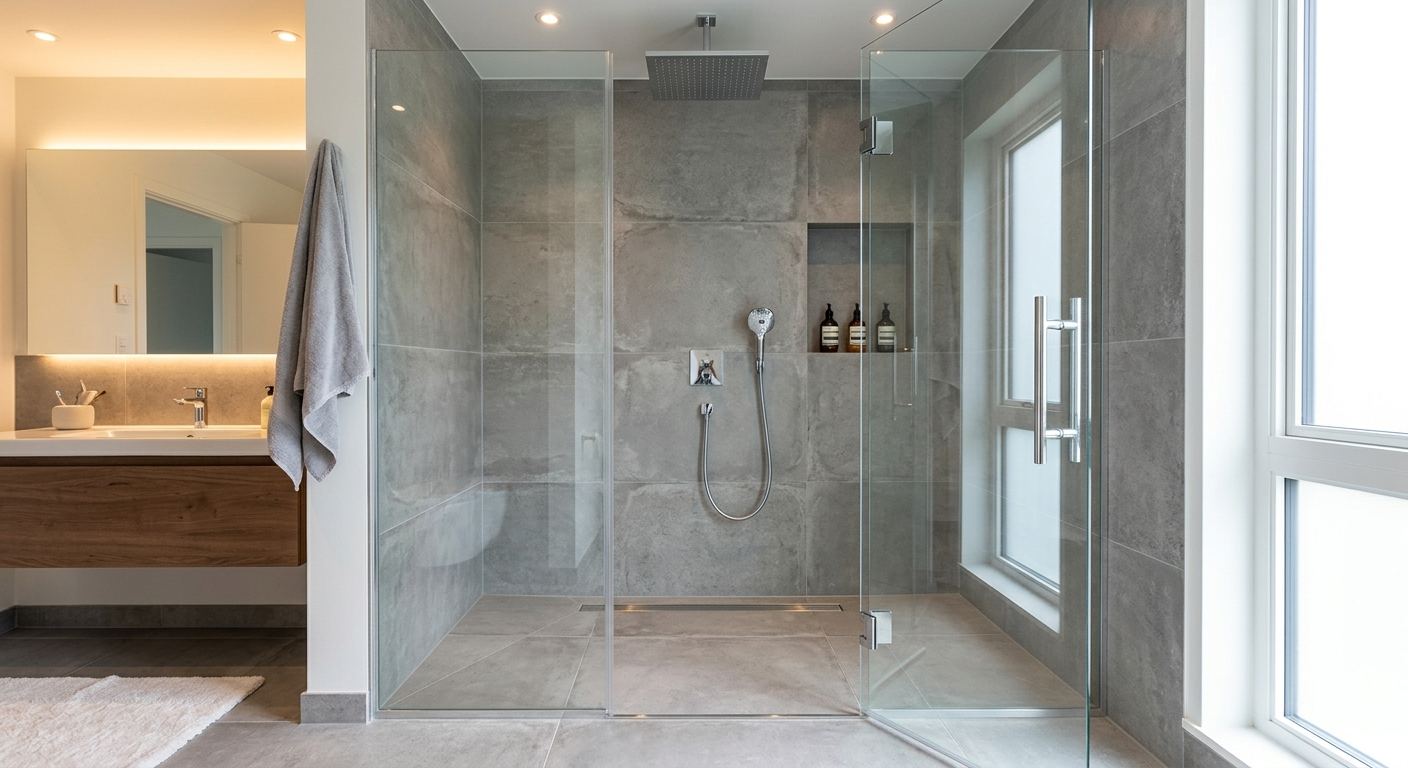
Bathroom renovation options and costs in Lethbridge
Lethbridge homeowners typically choose between a cosmetic refresh, a mid-range full renovation, or a higher-end rebuild that upgrades tile, plumbing, and electrical. With 44.8% of homes in the region built before 1981 (Statistics Canada, 2021 Census), many bathrooms start with aging layouts—often dated drain routing, older venting, or tile work that has been patched over the years. That matters because “like-for-like” changes can still uncover hidden issues, such as moisture trapped behind finishes or older pipe conditions that must be corrected to pass inspection and prevent repeat leaks.
In the Lethbridge–Medicine Hat market, labour rates and the age of the housing stock drive the majority of your cost more than outdoor winter conditions. Once a contractor starts opening walls, they frequently need to plan around rough-in plumbing access, bring electrical for bath fans up to current safety expectations, and confirm the ventilation path. Availability is also a factor—when trades are booked ahead, start times slip and labour minimums can slightly affect total pricing, particularly for larger tile scopes and glass enclosure installs. If you’re working in high-renovation areas such as University of Lethbridge / Westside, demand for tile setters and finish carpentry can be higher, so planning your schedule early helps control labour exposure.
Use the table below to compare common scopes and realistic budget ranges, then we’ll break down what moves the price up or down based on your exact conditions.
| Renovation Scope |
What's Included |
Typical Duration |
Price Range |
| Cosmetic refresh (paint, fixtures, accessories only) |
New vanity lights and/or faucet, replace toilet where needed (non-plumb relocation), paint, swap accessories (towel bars, mirrors), caulking and basic trim touch-ups; no major plumbing/electrical relocation |
3–7 days |
$4,000–$8,000 |
| Mid-range full renovation (new tile, vanity, tub/shower, electrical) |
Remove existing finishes; new shower/tub surround tile; new vanity and mirror; toilet and ventilation upgrades; electrical upgrades for GFCI where required; standard waterproofing; modest lighting updates |
2–4 weeks |
$12,000–$18,000 |
| High-end full renovation (custom tile, steam shower, heated floors) |
Higher-spec tile system; custom shower pan or advanced membrane system; heated floor circuit; premium fixtures and glass; steam or upgraded shower hardware; expanded electrical and ventilation; increased subfloor prep where needed |
4–7 weeks |
$20,000–$25,000 |
| Shower-only installation (convert tub to walk-in shower) |
Demo tub and surround; build new walk-in shower with waterproofing, tile/stone; new valve trim; updated drain rough-in as needed; exhaust fan or fan retrofit; glass enclosure optional |
1.5–3 weeks |
$7,000–$14,000 |
| Bathtub replacement or tub-liner install |
Replace tub and recaulk with matching surround; or install tub liner over qualified surfaces; minor plumbing connection adjustments; basic waterproofing at seams |
4–10 days |
$1,500–$6,000 |
| Tile-only installation (floor + surround, existing layout kept) |
Surface prep; tile removal and re-tile of floor and/or walls; grout, sealing, and waterproofing to manufacturer spec; reuse of existing vanity and trim where in good condition |
1–3 weeks |
$2,000–$8,000 |
Prices are estimates only and vary by project scope, site access and material selection.
What affects the price of bathroom renovation in Lethbridge
In Lethbridge–Medicine Hat, it’s common to see quotes for the “same bathroom” vary by 30–50%, even when the fixture list looks similar. The big driver is that Southern Alberta labour is a significant portion of your budget, and older homes often force more work once walls and floors come apart. Climate plays a smaller role than people assume here—your indoor moisture management is the real lever—but the housing age still drives complexity: older post-war and mid-century layouts can hide cast-iron or older drain stacks, galvanized supply lines, and ventilation paths that don’t match current expectations.
Another quote-breaker is discovery. In pre-1985 construction, there’s a possibility of asbestos-containing materials in some floor tile or older drywall compounds. If abatement is required, that can add roughly $1,500–$5,000+ depending on the affected area, containment needs, and how much additional repair follows. Even when the project stays within the broad regional bands—like a mid-range full reno at $12,000–$18,000—a few hidden upgrades can move you toward the upper end.
Concrete examples from Lethbridge projects: (1) converting a tub to a shower often requires drain adjustments; if the existing slope or venting doesn’t work, rough-in time increases. (2) keeping the same vanity location can lower demo and patch costs, but only if the subfloor is level enough for tile. If your bathroom size is larger—say additional floor and wall coverage—tile labour ramps up directly and can push you from a $2,000–$8,000 tile-only range toward a full renovation budget.
In short: in this region, your contractor’s time on rough-in corrections, waterproofing prep, and code-related upgrades has more impact on final cost than outdoor temperature swings.
| Price Factor |
Why It Matters |
Cost Impact |
| Layout change — moving drain or supply lines requires rough-in work |
New lines mean additional demo, framing/patching, and plumbing labour; it can also trigger permit/inspection needs. |
$1,500–$6,000+ |
| Tile selection — large-format porcelain vs. mosaic vs. ceramic |
Harder tile needs more careful setting, more cutting, and stricter surface tolerances. |
$500–$4,000 |
| Fixture tier — builder-grade vs. mid-range vs. designer brands |
Beyond purchase price, higher-end trims and valves often require better installation alignment. |
$300–$3,500 |
| Subfloor condition — rot or unlevel concrete adds scope |
Repairs add labour and materials; tile longevity depends on a stable, correctly prepared base. |
$500–$5,000+ |
| Electrical — adding GFCI outlets, exhaust fan, heated floor circuit |
Requires licensed electrical work; updated wiring and fan ducting can expand scope. |
$500–$3,500 |
| Waterproofing method — membrane type and extent |
Proper coverage and transition details affect mould risk and prevent expensive callbacks. |
$300–$2,500 |
| Older-home surprises — asbestos tile, cast-iron drains, galvanized pipes |
Discovery can require remediation, pipe replacement, or additional demolition and patching. |
$1,500–$5,000+ |
| Bathroom size — sq ft drives tile and labour time directly |
More surface area increases material quantities, setting time, and dry-fit/grouting labour. |
$500–$6,000 |
Permits & regulations in Alberta
In Alberta, a bathroom can often be updated with minimal red tape when you keep the plumbing and electrical “as-is.” Cosmetic updates—like swapping a vanity, toilet, faucet, retiling without changing the layout, or replacing bathroom accessories—typically do not require a permit. However, permits are commonly required when you change the functional systems: moving plumbing rough-ins (relocating a drain or supply lines), adding new exhaust ventilation or replacing an exhaust fan with new wiring/circuit work, and any structural wall changes that affect framing or openings. If you’re adding a heated floor, that also usually ties into electrical scope that must be handled correctly.
For electrical, the key point is that work must meet the applicable electrical safety code and be done or signed off by a licensed electrician. Plumbing rough-in changes typically require permits and inspections because inspectors need to verify pressure testing, venting/drain configuration, and proper sealing before walls are closed.
To verify a contractor in Lethbridge, start by asking for their Alberta trade licence (and checking it through the appropriate provincial online registry). Next, request a current certificate of insurance for liability (and confirm it matches your address/job date). Then ask whether they carry WSIB/WCB coverage for their workers; many homeowners ask to see proof of clearance or coverage documentation before work begins. If they can’t provide paperwork up front, that’s a practical warning sign—especially in older homes where unexpected scope is more likely.
Choosing tile, waterproofing and fixtures for your Lethbridge bathroom
Your Lethbridge bathroom renovation budget usually comes down to three decisions: tile selection, waterproofing method, and fixture tier. First, tile: ceramic is a solid entry-level option for many bathrooms, but it’s typically less durable than porcelain in high-traffic water exposure areas. Porcelain offers stronger water and wear performance and is often easier to source in larger formats—though it demands a flatter base for clean installation. For a luxury look, natural stone (travertine, slate, marble) can look exceptional, but it requires more careful sealing and finishing, and the installation labour can rise because of premium handling and layout.
Second, waterproofing. Alberta winters can mean more indoor humidity, and bathrooms don’t forgive weak waterproofing behind tile. A paint-on membrane may be fine for some light-duty assemblies, but for shower walls and floors you’re generally safer with a proven system such as a bonded sheet membrane or a reputable installation system approach (including correct transitions at corners, benches, and niches). The right method helps prevent mould and grout breakdown.
Third, fixtures. Builder-grade fixtures usually save upfront, but mid-range valves, better seals, and smoother trims can improve daily use and reduce service calls. For example, spending an extra $1,000–$2,000 on a quality shower valve and glass hardware can be justified if it prevents rework during tile completion—especially when correcting alignment and waterproofing interfaces is expensive after the fact. If you’re aiming for a mid-range full renovation budget around $12,000–$18,000, focus your spend where it protects the waterproofing and the shower experience; you can often keep vanity and lighting more economical.
| Material / Option |
Pros |
Cons |
Price Range |
| Ceramic tile (floor + walls) |
Good entry-level appearance; wide selection; generally straightforward to install when the substrate is prepared well. |
More prone to wear than porcelain in some cases; may not perform as well for certain shower-floor use compared to higher-tier products. |
$2,000–$5,000 |
| Porcelain tile (floor + walls) |
Better durability for wet areas; often available in larger formats for a cleaner look; typically lower maintenance. |
Requires flatter substrate and careful layout; tile labour can rise with large format or complex patterns. |
$3,500–$8,000 |
| Natural stone (marble, travertine, slate) |
High-end look and uniqueness; strong curb appeal potential for resale. |
Sealing and maintenance needs; more expensive to handle and sometimes higher labour due to installation complexity. |
$6,000–$12,000 |
| Frameless glass shower enclosure |
Modern look; easier cleaning than partially framed options; can visually open up smaller bathrooms. |
Higher material cost; precise measurement and installation alignment are critical, especially on tile walls. |
$2,500–$6,500 |
| Prefab tub surround (acrylic) |
Fast install; consistent finish; often simpler waterproofing details at seams when properly installed. |
Less custom design flexibility; can look less premium than full tile for some buyers. |
$1,000–$3,500 |
| Custom shower pan (tile or linear drain) |
Premium, spa-style shower experience; linear drain options improve slope and visual finish. |
More labour and waterproofing detail; linear drains require careful planning around framing and drain tie-ins. |
$3,000–$10,000 |
How to choose a bathroom renovation contractor in Lethbridge
When you hire a bathroom contractor in Lethbridge, licensing and coverage are your first protection—especially in older homes where plumbing, venting, and electrical upgrades are common. In Alberta, confirm the contractor’s Alberta trade licences that match the work being done (plumbing and electrical are regulated and shouldn’t be handled by unlicensed general “helpers”). Ask for their liability insurance certificate (with your job address listed if possible) and proof they carry WSIB/WCB coverage for workers. How to check: request documents before signing, verify the licence number online via the provincial registry, and ensure insurance dates are current and the policy is active.
Next, get 2–3 itemised written quotes. You want a breakdown that separates labour and materials: demo/disposal, rough-in work, waterproofing system, tile setting, electrical components, exhaust fan/glass enclosure, and any permit-related work. Avoid quotes that only list a single lump sum without explaining what’s included. Read the scope line-by-line: what’s excluded (e.g., subfloor repairs, drywall patching, replacing rotten framing), is permit pulling included, and who pays for disposal and dump fees?
Warranty matters. Look for a workmanship warranty length and what triggers it (usually tied to proper installation and moisture control). Confirm product/manufacturer warranties too, and whether they’re transferable when you sell your home. For payment, a typical safe schedule is never more than 10–15% upfront; use progress payments tied to milestones and hold back a portion until the bathroom is complete, cleaned, and tested.
Finally, demand a start date and a completion estimate in writing—delays happen, but vague timelines can become expensive when tile setting and electrical inspections don’t align.
- Ask for licence numbers and verify them online before signing.
- Confirm liability insurance is active and request a certificate of insurance.
- Provide WSIB/WCB coverage proof for workers (not just subcontractor promises).
- Get 2–3 itemised quotes (labour + materials), not lump sums.
- Ensure the quote specifies permit pulling responsibilities (included or extra).
- Confirm disposal and dump fees are included for demo materials.
- Ask what waterproofing system they use and where it is applied (full coverage vs partial).
- Check whether they include subfloor assessment and patch/repair allowances.
- Verify electrical scope: exhaust fan, GFCI outlets, and heated floor circuit handling.
- Review the warranty terms for workmanship and whether it covers call-backs for leaks.
- Use a milestone-based payment schedule with a holdback until final completion.
- Get a written schedule including inspection windows if plumbing/electrical permits apply.
Red flags I see in Lethbridge bathroom renovations: (1) “We’ll handle the electrical/plumbing without a licensed trade” language, (2) quotes that don’t list waterproofing materials or application areas, (3) payment schedules asking for large upfront deposits beyond 10–15%, (4) no clear disposal/permit responsibility, and (5) no written warranty details for workmanship.
Frequently asked questions — bathroom renovation in Lethbridge
What adds the most resale value in a bathroom reno?
In Lethbridge and across Alberta, the biggest resale value tends to come from upgrades that buyers perceive as “risk reduction”: a properly waterproofed shower, modern lighting, and fixtures that look current but are installed to last. In older homes (many built before 1981), value also increases when renovations address practical concerns like exhaust ventilation performance and safe electrical—especially where bath fans and GFCI protection are updated. A mid-range full renovation typically runs about $12,000–$18,000, and that’s often where you get the best balance of improvements without chasing the most expensive finishes. If you jump to high-end scopes around $20,000–$25,000, the resale upside is real but depends on matching the upgrade to your home’s overall quality and bathroom size. (Statistics Canada, 2021 Census)
Can I keep my existing plumbing layout to save money?
Yes—keeping your plumbing layout is one of the most effective ways to control bathroom renovation cost in Lethbridge. When you don’t move the drain or supply lines, you avoid a lot of rough-in labour and lessens the chance of discovering problems behind walls, such as older drain stacks or supply lines that need replacement. That said, “keeping the layout” still requires correct waterproofing and a properly prepared subfloor so tile doesn’t fail later. If you’re working in older housing stock—where dated plumbing is more common—you may still need venting checks or minor electrical upgrades for bath fan and outlets. But you’ll usually come out ahead compared with moving things, because layout changes can add rough-in work and permit/inspection steps.
How much does a walk-in shower cost in Lethbridge?
For Lethbridge homeowners, converting a tub to a walk-in shower typically lands in the $7,000–$14,000 range depending on whether the drain needs rerouting, what tile system is used, and whether you add a glass enclosure. If your bathroom is larger or your tile plan includes more waterproofing-intensive features (like a custom niche or linear drain style), the cost trends upward. If you’re mainly swapping finishes and reusing an already suitable drain position, you can stay closer to the lower end. In older homes, add time and contingency if discovery work is needed—cast-iron or galvanized plumbing conditions can influence final scope. Always ask for an itemised quote that separates shower pan prep, waterproofing, tile labour, and glass hardware.
What's the ROI on a bathroom renovation?
ROI varies by property condition and local demand, but the practical goal in Lethbridge is to improve buyer confidence: a dry, well-ventilated bathroom with modern safety elements. A renovation that prevents future leaks and mould issues usually performs better at resale than purely cosmetic changes. For budgeting context, many homeowners aim for either a mid-range full renovation (often $12,000–$18,000) or a larger high-end upgrade (around $20,000–$25,000). If your existing bathroom has outdated finishes but sound plumbing and a solid base, a cosmetic refresh won’t provide the same buyer confidence as full waterproofing and ventilation updates. If your home is in the older stock category—nearly half of dwellings built before 1981—addressing hidden risks can matter more than chasing the most expensive fixtures. (Statistics Canada, 2021 Census)
Do I need waterproofing behind the tile?
For shower floors and shower walls, waterproofing behind tile is not optional—it's the core of a durable bathroom. In Lethbridge, where indoor moisture management matters year-round, proper waterproofing is what reduces the risk of mould, grout failure, and callbacks caused by water migrating behind tile. A qualified contractor should specify the waterproofing method (for example, a membrane system) and the coverage details, including corners, seams, transitions around niches/benches, and how penetrations are sealed. If a quote only mentions “tile and grout” without waterproofing system details, ask directly for the system name and install plan. Even if you choose ceramic or porcelain tile, the waterproofing assembly is what keeps the structure dry.
How do I compare bathroom renovation quotes?
To compare bathroom renovation quotes in Lethbridge, don’t judge only by the total price. Ask for itemised breakdowns that show labour and materials separately, and make sure each quote includes the same scope: demo/disposal, waterproofing system type, tile prep and subfloor work, electrical components (GFCI/exhaust/heat if applicable), and whether permits and inspections are included. Confirm what’s excluded—like drywall patching beyond a certain allowance, subfloor repairs, or glass enclosure supply/installation. Also compare warranty terms: workmanship warranty length and what it covers. Finally, review payment schedules—safe projects generally ask for only 10–15% upfront, with holdback until completion. If one quote is much lower than the others, it often means scope is missing rather than costs being truly lower.