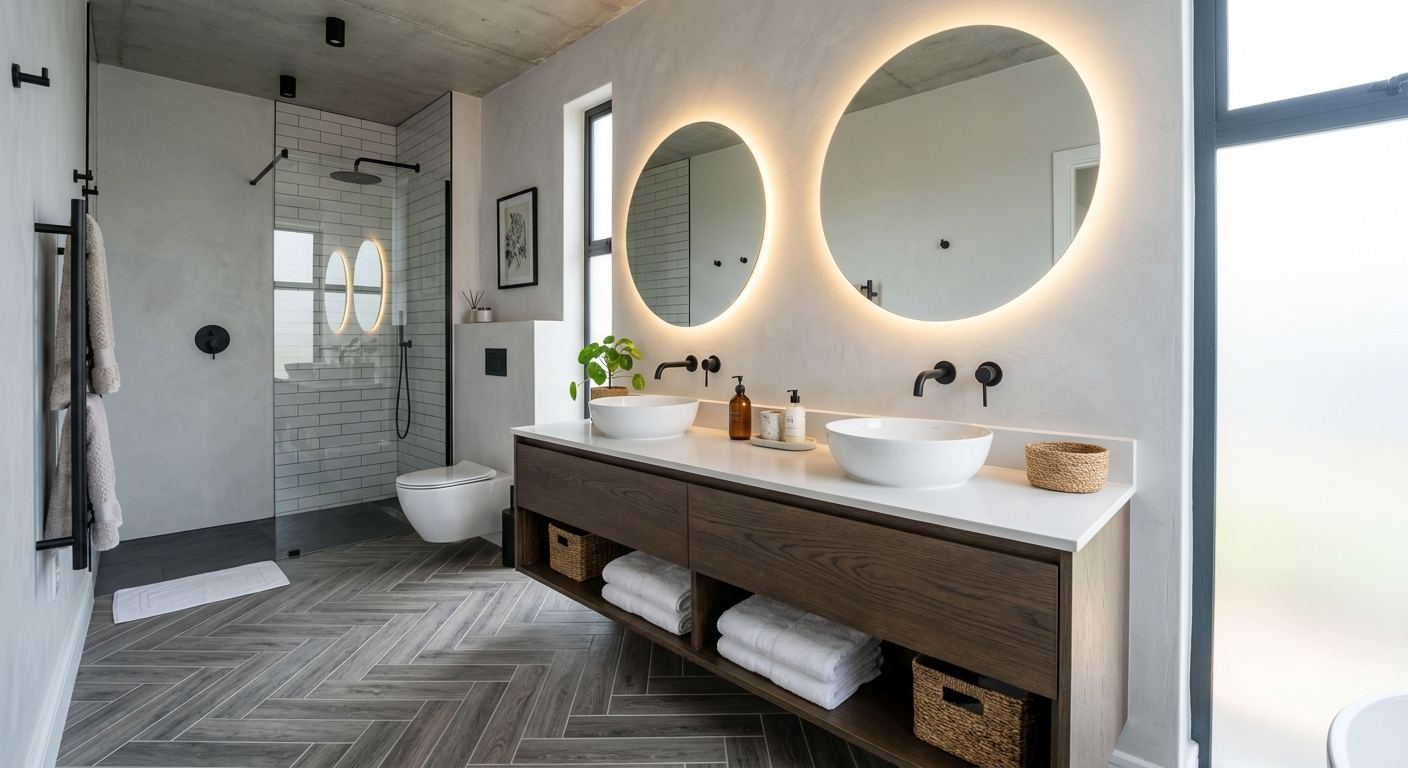
Bathroom renovation options and costs in Pincher Creek
Pincher Creek homeowners usually have a clear starting point, but the final invoice depends on how much you change. In this community of 3,622 people (Statistics Canada, 2021 Census), many bathrooms sit inside single-detached homes (81.9% of dwellings) that were built long ago—69.2% of homes were constructed before 1981 (Statistics Canada, 2021 Census). That age matters: older plumbing layouts can include cast-iron drain sections, galvanized supply lines, and dated ventilation paths, and sometimes asbestos-containing materials show up when floors or old finishes are removed.
In the Lethbridge–Medicine Hat region, labour availability and the time required for code upgrades are usually the biggest cost drivers rather than “climate swings.” Contractors plan for Alberta’s temperature swings and frequent indoor moisture by budgeting proper waterproofing and exhaust ventilation. If your bathroom shares walls with older mechanical chases, re-routing plumbing and adding electrical safely (often including GFCI protection and a dedicated exhaust fan circuit) can add days even when the layout stays “mostly the same.”
Trade demand is steady around the downtown core and along Highway 3, where many residents are in established neighbourhood pockets and want updates that are both practical and resale-friendly. Below is a practical comparison of common renovation options so you can see how scope changes budget quickly—then you can match your plan to the right price band in the table.
| Renovation Scope |
What's Included |
Typical Duration |
Price Range |
| Cosmetic refresh (paint, fixtures, accessories only) |
Paint, vanity/accessories swap (no plumbing move), toilet/fixture replacement if same location, new mirror/light, caulking and minor repairs |
2–4 days |
$3,000–$7,000 |
| Mid-range full renovation (new tile, vanity, tub/shower, electrical) |
Demo and rebuild, shower/tub surround tile, vanity and toilet, new waterproofing and ventilation upgrades (typical), updated electrical for GFCI and exhaust fan, patch/drywall finishes |
1–2 weeks |
$12,000–$19,000 |
| High-end full renovation (custom tile, steam shower, heated floors) |
Custom tile work, premium fixtures, heated floor wiring/circuit, upgraded ventilation, steam shower components (as specified), expanded waterproofing detailing, higher-end hardware and glass |
2–3+ weeks |
$19,000–$25,000 |
| Shower-only installation (convert tub to walk-in shower) |
Convert layout, new shower pan and waterproofing, tile surround or enclosure provisions, plumbing rough-in updates, new exhaust/electrical as required |
7–12 days |
$8,000–$14,000 |
| Bathtub replacement or tub-liner install |
Remove and install tub (or liner if conditions allow), basic surround repairs, new caulking/waterproofing where applicable, re-connect plumbing, fixture replacements if needed |
3–7 days |
$1,800–$6,000 |
| Tile-only installation (floor + surround, existing layout kept) |
Remove existing tile, prep and level surfaces, install floor and wall tile, apply waterproofing system, grout and seal, match adjacent finishes |
5–10 days |
$2,500–$9,000 |
Prices are estimates only and vary by project scope, site access and material selection.
What affects the price of bathroom renovation in Pincher Creek
The same “average” bathroom can land 30–50% apart from one contractor quote to the next across Lethbridge–Medicine Hat and other parts of Alberta, mainly because scope isn’t the same on paper. Even when both quotes target a full renovation, labour differences show up in how much time is allowed for plumbing rough-in, electrical corrections, and drywall/waterproofing prep. In older Southern Alberta housing, dated assemblies often require more hidden work than homeowners expect—especially because many homes pre-date modern ventilation and waterproofing details.
Local housing stock is a big piece. With many Pincher Creek homes built before 1981 (69.2% of dwellings) (Statistics Canada, 2021 Census), it’s common to discover older drain stacks (cast-iron sections), galvanized supply lines, and venting that doesn’t remove moisture effectively. Those issues inflate costs beyond a “like-for-like” refresh. Asbestos-containing materials can also appear when removing older vinyl floor tile or certain older drywall compounds (pre-1985). When remediation is triggered, it can add roughly $1,500–$5,000+ depending on what’s found and how contained the work area is.
Here are a few real examples I see often in Pincher Creek: (1) converting a tub to a shower may require moving a drain and re-working framing, which can push the job closer to the $12,000–$19,000 full-reno band instead of the lower shower installation expectation; (2) choosing large-format porcelain can reduce grout lines and cost in material, but it increases substrate prep and labour time if your floor needs flattening; (3) bathrooms with poor exhaust sometimes need ducting changes for proper airflow, which adds electrical and sheetrock time even if you keep the same fixtures.
| Price Factor |
Why It Matters |
Cost Impact |
| Layout change — moving drain or supply lines requires rough-in work |
New rough-in means demolition, pipe movement, and inspection-ready work |
Often adds $2,000–$6,000+ |
| Tile selection — large-format porcelain vs. mosaic vs. ceramic |
Harder cuts, more precise setting, and higher prep requirements |
Typically $1,000–$4,000+ |
| Fixture tier — builder-grade vs. mid-range vs. designer brands |
Higher-end valves, trims, and finishes cost more and may need specific install practices |
Often $500–$3,500+ |
| Subfloor condition — rot or unlevel concrete adds scope |
Water damage repairs and leveling under tile increase labour and materials |
$1,000–$5,000+ |
| Electrical — adding GFCI outlets, exhaust fan, heated floor circuit |
Safe circuiting and code-compliant connections take trades time |
$600–$3,000+ |
| Waterproofing method — membrane type and extent |
Better systems and proper coverage reduce failure risk in wet areas |
$400–$2,500+ |
| Older-home surprises — asbestos tile, cast-iron drains, galvanized pipes |
Discovery changes demolition steps and can require remediation or pipe upgrades |
$1,500–$5,000+ (sometimes more) |
| Bathroom size — sq ft drives tile and labour time directly |
More surfaces to waterproof, tile, grout, and finish |
Varies widely; commonly $500–$4,000+ |
Permits & regulations in Alberta
In Alberta, cosmetic updates typically don’t require a permit—if you’re swapping like-for-like fixtures and keeping plumbing and electrical locations the same. That usually includes painting, replacing a vanity/commode in the same location, installing accessories (mirrors, towel bars, shelving), and retiling without moving structural walls. However, permits and inspections are commonly required when you relocate plumbing (moving a drain or supply line), change the layout, add or modify exhaust ventilation in a way that changes electrical circuits, or make any structural wall changes that affect framing or load paths.
Electrical must meet provincial code and be done or signed off by a licensed electrician. If your renovation includes a new exhaust fan circuit, GFCI-protected outlets, or heated floors, treat it as electrical scope from day one—don’t assume it’s “small.” Plumbing rough-in changes (even if walls are already open) usually require a permit and an inspection before walls are closed.
For a Pincher Creek homeowner, the practical verification steps are straightforward: (1) ask for the contractor’s Alberta trade licence number and confirm it through the appropriate online registry; (2) request a certificate of insurance (liability) showing coverage dates and company name; (3) confirm WSIB/WCB clearance or coverage status; (4) have the permit responsibility clearly stated in writing—who pulls the permit, who schedules inspections, and who pays. If a contractor won’t provide documentation or tries to handle major work “cash and no paperwork,” that’s a major warning sign.
Choosing tile, waterproofing and fixtures for your Pincher Creek bathroom
For Pincher Creek bathrooms, the renovation budget is mostly driven by three decisions: (1) tile choice, (2) waterproofing approach, and (3) fixture tier. First, tile. Entry-level ceramic can be a smart value when you want a solid floor and wall surface without a premium price. Mid-range porcelain is a better all-around choice for showers and high-traffic floors because it’s typically denser and more resistant to wear and moisture. Natural stone (marble, travertine, slate) looks luxurious, but it can require extra sealing and careful substrate prep—meaning higher labour even if the tile material cost isn’t the only factor.
Second, waterproofing. Alberta bathrooms see real moisture loads—showers, condensation from cold mornings, and indoor humidity that needs dependable ventilation. A paint-on membrane can work for certain systems when installed correctly, but in wet shower environments, bonded sheet membrane or a proven tile system (often using compatible thin-set and detailing) is frequently the safer route. The goal is continuous waterproofing at corners, niches, and transitions—because pinhole failures and poorly sealed penetrations are where mould starts.
Third, fixtures. Builder-grade valves and trims save money up front, but mid-range or designer options can improve daily function and resale appeal (better finishes, smoother cartridges, more durable hardware). A common justification example: upgrading from a basic shower valve/trim package to a mid-range matching set might cost a few hundred to $1,000 more, but it avoids frequent replacement of cartridge components and upgrades the “touch points” people notice immediately—especially with a tiled shower surround.
| Material / Option |
Pros |
Cons |
Price Range |
| Ceramic tile (floor + walls) |
Cost-effective, easy to source, good for dry walls and budget-friendly floors |
May wear faster in wet/high-traffic areas; needs correct grout and sealing |
$2,000–$5,500 |
| Porcelain tile (floor + walls) |
Durable, moisture-resistant, wide style selection, ideal for shower surrounds |
Heavier tile can increase substrate prep and cutting time |
$3,500–$8,000 |
| Natural stone (marble, travertine, slate) |
Premium look and texture, strong curb appeal for resale |
Sealing/maintenance, substrate flatness requirements, higher labour for careful installation |
$6,000–$14,000 |
| Frameless glass shower enclosure |
Modern appearance, easier cleaning, great for showcasing tile |
Higher upfront cost; needs accurate framing alignment and good waterproofing edges |
$1,200–$4,500 |
| Prefab tub surround (acrylic) |
Fast install, consistent fit, often less labour than full tile walls |
Limited style options; can be less “wow” than tile; relies on proper wall prep |
$800–$2,500 |
| Custom shower pan (tile or linear drain) |
Curbless/linear look, excellent integration with waterproofing system |
More labour and more detailed slope planning; requires experienced installation |
$2,500–$7,500 |
How to choose a bathroom renovation contractor in Pincher Creek
Choosing the right contractor in Pincher Creek starts with verifying Alberta compliance and documenting workmanship expectations. Confirm that the contractor provides an Alberta trade licence (when applicable to the trades involved), current liability insurance, and WSIB/WCB coverage. The “how to check” is simple: (1) request licence details in writing; (2) ask for a certificate of insurance and confirm it lists the correct legal entity; (3) obtain proof of WSIB/WCB clearance or coverage documentation; (4) verify the contractor’s name on insurance matches the quote and contract.
Next, get 2–3 itemised written quotes instead of one lump-sum. A good quote breaks down labour and materials: demo, rough-in adjustments (if any), waterproofing, tile install, electrical/plumbing trade items, disposal, and finishes. Read the scope line-by-line—ask what’s excluded (subfloor repairs, fan ducting, permits, shower glass lead time, or asbestos/abatement contingencies). A proper contract clarifies whether the contractor pulls permits, includes disposal, and who handles inspections.
Warranty also matters. Ask for a written workmanship warranty length and confirm whether product warranties transfer if you sell. For payment schedule, don’t pay more than 10–15% upfront; hold back a portion until key milestones are complete and the final walkthrough is done. Lastly, get a start date and a completion estimate in writing, including allowances for material lead times—especially if you’re ordering tile, glass, or specialty plumbing fixtures.
- Licence and insurance details provided before signing
- Proof of WSIB/WCB coverage or clearance documented
- Itemised quote (labour vs materials vs permits vs disposal)
- Clear waterproofing scope and who supplies the membrane system
- Confirmation of heated floor wiring and electrical sign-off (if included)
- Disclosure of what triggers extra charges (rot, hidden plumbing, asbestos findings)
- Schedule includes demolition time and inspection/rough-in hold points
- Product specs listed (tile size, grout type, fan model, valve/trim model)
- Warranty stated in writing: workmanship and product coverage
- Payment terms: no large upfront deposit beyond 10–15%
- Site protection plan (dust control, floor protection, bathroom access)
- Final clean-up and punch list process defined
In Pincher Creek, I’d treat these as red flags: vague scope (“similar to existing”), quotes with missing electrical/plumbing permit responsibility, no waterproofing details, refusing to provide licence/insurance/WSIB/WCB documentation, and a payment plan that demands a large deposit before any demo or measurable progress.
Frequently asked questions — bathroom renovation in Pincher Creek
How much does a bathroom renovation cost in Pincher Creek?
In Pincher Creek, most homeowners end up budgeting by scope. A cosmetic refresh is often the quickest path, while a true full renovation is where the majority of budgets land. For context, a full bathroom renovation commonly falls in the $12,000 – $25,000 band in this region tier, depending on whether you’re keeping the layout and how much plumbing/electrical work is required. Shower conversions and mid-level upgrades can sit lower than a full rewire, but older housing can add “hidden” time. Many local homes are older (69.2% built before 1981) (Statistics Canada, 2021 Census), so plumbing/venting upgrades and subfloor repairs are not unusual.
How long does a bathroom renovation take in Pincher Creek?
Timelines in Alberta are strongly influenced by demolition, trade scheduling, and how quickly inspections can happen for plumbing/electrical changes. A cosmetic refresh can take 2–4 days if fixtures stay in the same locations. A mid-range full renovation often takes about 1–2 weeks, while high-end work with custom tile, upgrades, and specialty components can be 2–3+ weeks. If your bathroom needs layout changes, rough-in work, or venting duct updates, expect additional time for open-wall inspections before tile and drywall are closed. Also factor in material lead times—glass enclosures and specific tile patterns can affect completion dates.
Do I need a permit for a bathroom renovation in Alberta?
In Alberta, you typically don’t need a permit for purely cosmetic work—like swapping fixtures in the same locations, painting, replacing a vanity where plumbing remains unchanged, or retiling without moving plumbing or structural elements. Permits are commonly required when you relocate plumbing (moving drain or supply lines), make electrical changes that add new circuits (like exhaust fans or heated floor circuits), or perform work that affects framing/structural walls. Electrical work must meet code and be done or signed off by a licensed electrician. For Pincher Creek homeowners, the practical step is to confirm in writing who pulls the permit and schedules inspections before the walls close.
What's the best tile for a bathroom in Pincher Creek?
The “best” tile balances moisture resistance, durability, and installation quality. For most Pincher Creek bathrooms, porcelain tile is a strong choice for both floors and shower walls because it’s typically more durable and moisture-resistant than basic ceramic. Ceramic can work well, especially on dry wall areas, but shower floors and surrounds usually benefit from porcelain performance. Natural stone looks premium but may require additional sealing and careful installation to protect against moisture. Regardless of material, waterproofing system coverage and correct substrate prep are what prevent long-term mould problems. If you’re aiming for a predictable budget, many projects land in the mid-range install costs rather than the luxury stone level.
Should I do a tub-to-shower conversion?
Often, yes—especially if you want easier access and faster daily use. In Alberta, the shower area with a properly built waterproof pan and good ventilation typically performs well for families and reduces the risk of lingering moisture in tub surrounds. A tub-to-shower conversion also tends to align with the region’s common renovation path because it lets contractors address old valve locations, ventilation shortcomings, and dated waterproofing during demolition. Expect costs that can approach the shower-install range (often $8,000 – $14,000 depending on drainage changes and enclosure choices). The biggest swing factor is whether the drain needs moving and whether older plumbing requires upgrades.
How do I prevent mold in a Pincher Creek bathroom?
Mould prevention is mostly about moisture control and correct build-up, not just cleaning. In Pincher Creek, you’ll see enough indoor humidity that ventilation and waterproofing must be done right. Start with a dependable exhaust fan sized for the bathroom and ducted properly, plus GFCI-protected electrical where required. Next, use a waterproofing system designed for tile showers, with continuous coverage at corners, niches, and around penetrations. Avoid cutting corners on membrane compatibility and cure times. Finally, ensure grout and sealants are correct for your tile type. In older homes (69.2% built before 1981) (Statistics Canada, 2021 Census), also inspect for hidden water damage under floors and around tub/shower bases—those areas can be the mould source even after surface cleaning.