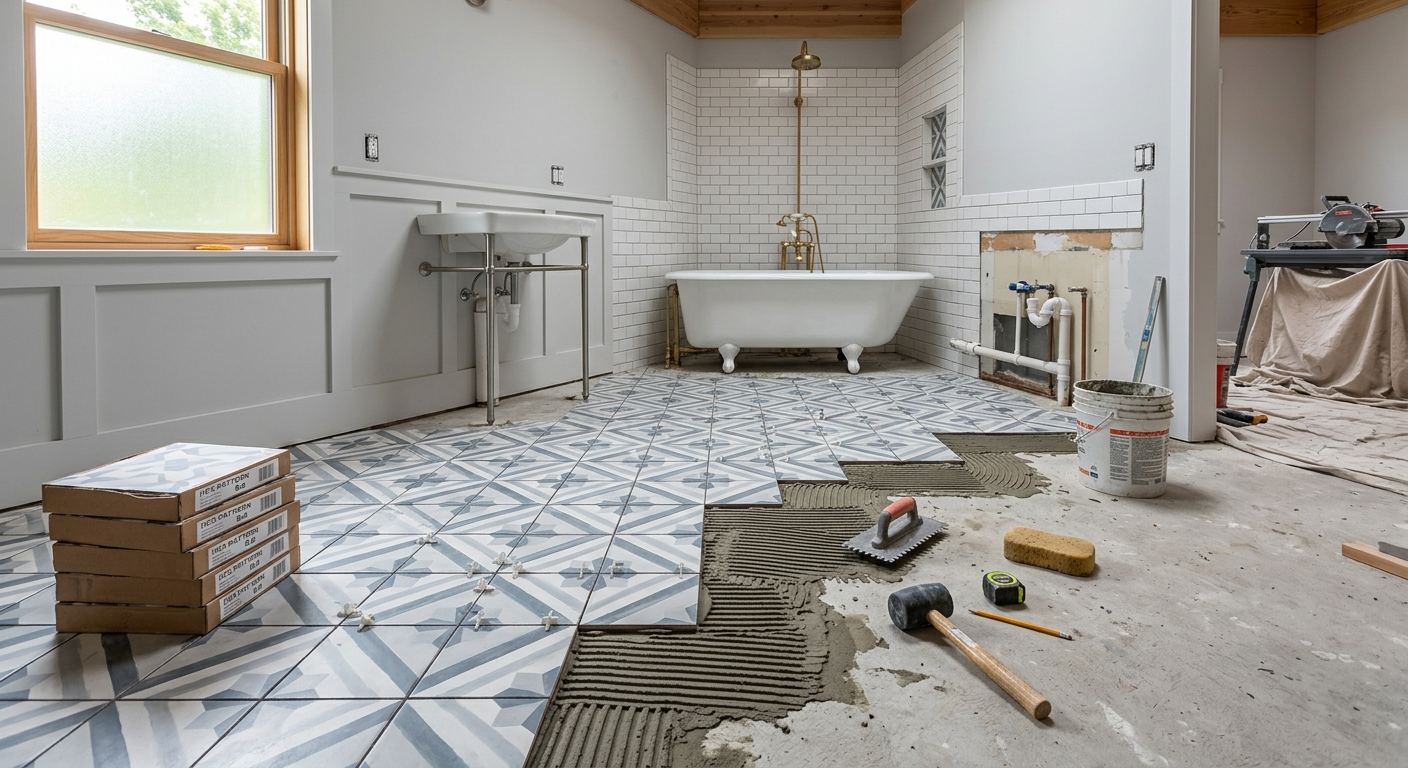
Bathroom renovation options and costs in Canyon Heights
Canyon Heights homeowners have a few clear paths when planning a bathroom renovation, and your choice usually comes down to how much you want to change the layout and finishes. With a local population of 2,849 (Statistics Canada, 2021 Census), projects here are typically booked through a smaller set of experienced trades compared with bigger neighbouring markets, so scheduling and lead times can vary. It also matters that the Lower Mainland–Southwest region has a lot of mid-century and pre-1980 housing—once walls and floors are opened, dated plumbing layouts can lead to add-on work like drain stack upgrades, venting corrections, and sometimes remediation for older materials.
Lower Mainland–Southwest pricing is strongly driven by labour rates and trade availability rather than weather swings. Even though British Columbia’s coastal climate brings steady humidity, the bigger cost driver is that bathrooms are compact and require multiple licences in a small footprint—plumbing, electrical, waterproofing, and tile setters—often working in tight sequences. In the Canyon Heights area (including the Canyon Heights neighbourhood along the North Shore), demand for reliable plumbers and certified electricians is especially noticeable because many homes sit on older supply and drain configurations. If your reno opens up a wall, contractors commonly discover things that expand scope: aging galvanized or cast-iron drains, outdated copper supply lines, and inadequate exhaust ventilation.
Use the ranges below as a budgeting starting point, then compare quotes using the scope items in the table.
| Renovation Scope |
What's Included |
Typical Duration |
Price Range |
| Cosmetic refresh (paint, fixtures, accessories only) |
New vanity or faucet, toilet swap (no plumbing relocation), lighting trim-in, paint, caulking, accessories; no tile removal and no waterproofing membrane changes |
3–7 days |
$2,500 – $8,500 |
| Mid-range full renovation (new tile, vanity, tub/shower, electrical) |
Demo and disposal, new shower/tub surround tile, vanity and toilet, exhaust fan upgrade, vanity electrical (as required), basic waterproofing, new trim and finishes |
2–4 weeks |
$18,000 – $32,500 |
| High-end full renovation (custom tile, steam shower, heated floors) |
Custom layout (where applicable), premium tile system, heated floor wiring, steam shower or upgraded multi-function shower valve, enhanced waterproofing, designer lighting, upgraded venting |
4–7 weeks |
$33,000 – $45,000 |
| Shower-only installation (convert tub to walk-in shower) |
Remove tub, set new shower pan/base, waterproofing, new wall tile, valve trim adjustments, glass (if selected), new exhaust fan connection if needed |
2–3 weeks |
$14,000 – $25,000 |
| Bathtub replacement or tub-liner install |
Replace tub (or install liner), rework wall sealing, caulking and trim, possible minor plumbing tie-ins; no major layout change |
1–2 weeks |
$1,800 – $6,000 |
| Tile-only installation (floor + surround, existing layout kept) |
Remove existing finishes as required, prep and level, install floor + surround tile, waterproofing where the system requires it, grout/seal and finish trim |
1–3 weeks |
$6,000 – $12,000 |
Prices are estimates only and vary by project scope, site access and material selection.
What affects the price of bathroom renovation in Canyon Heights
In Canyon Heights, you can see quotes for what looks like the same bathroom end up 30–50% apart, even within British Columbia. The main reasons are labour rates in the Lower Mainland–Southwest and what the renovation uncovers once walls come off. This region’s housing stock is often older, which means contractors frequently deal with galvanized or copper supply issues, cast-iron or aging drain stacks, and ventilation systems that don’t meet modern bathroom exhaust expectations. Those are scope multipliers, not “nice-to-have” upgrades.
Local price bands tell the story. A mid-range full renovation typically sits in the $18,000–$32,500 zone, while a high-end full renovation with custom work commonly moves into the $33,000–$45,000 range. The gap is usually driven by how much labour and trade coordination is needed to bring plumbing and venting up to date, plus the time-consuming prep required for floors that are out of level or subfloors that have shifted.
Concrete examples in Canyon Heights include: (1) converting a tub to a walk-in shower can trigger drain rough-in work when the existing trap setup can’t match the new shower pan slope—this affects both labour hours and inspection requirements; (2) adding a heated floor circuit usually requires electrical coordination and careful waterproofing sequencing, which adds cost even when the tile layout stays the same; (3) discovering asbestos-containing materials in older floor tile, drywall compound, or insulation can require abatement protocols—often adding $1,500–$5,000+ depending on what’s found and how much needs remediation.
Even when the budget is tight, a good contractor will price the “unknowns” responsibly with investigation and contingency planning so the final number doesn’t jump after demo.
| Price Factor |
Why It Matters |
Cost Impact |
| Layout change — moving drain or supply lines requires rough-in work |
Relocating plumbing triggers additional framing, waterproofing adjustments, inspections, and sometimes venting corrections |
$3,000 – $12,000+ |
| Tile selection — large-format porcelain vs. mosaic vs. ceramic |
Harder materials and smaller pieces increase cutting, layout time, and risk of waste in complex niches |
$1,500 – $8,000+ |
| Fixture tier — builder-grade vs. mid-range vs. designer brands |
Higher tiers cost more and may require specific rough-in valves, trims, or custom sizing |
$800 – $6,000+ |
| Subfloor condition — rot or unlevel concrete adds scope |
Prep, sistering, membrane upgrades, or self-levelling increases labour and materials |
$1,000 – $7,000 |
| Electrical — adding GFCI outlets, exhaust fan, heated floor circuit |
New circuits and compliant exhaust venting require licensed work and careful protection sequencing |
$900 – $5,500 |
| Waterproofing method — membrane type and extent |
Better systems reduce failure risk but require correct installation and proper tie-ins at changes of plane |
$600 – $4,000 |
| Older-home surprises — asbestos tile, cast-iron drains, galvanized pipes |
Remediation and plumbing replacements expand time, disposal, and permit scope |
$1,500 – $10,000+ |
| Bathroom size — sq ft drives tile and labour time directly |
More surface area means more tile, more prep time, and longer set-and-grout cycles |
Varies by 10–30%+ |
Permits & regulations in British Columbia
In British Columbia, many bathroom cosmetic updates are straightforward: swapping fixtures, replacing a vanity, repainting, or retiling where you are not changing plumbing or structural elements typically do not require a permit. Likewise, updating accessories and trim is usually permit-free because it doesn’t alter life-safety systems or building structure.
Permits (and inspections) are commonly required when you relocate plumbing—meaning you move a drain or supply line—or when you make changes that affect the building’s sanitary and ventilation systems. Adding a new exhaust fan can also require permitting when it involves new electrical circuits, vent routing changes, or modifications beyond simple swap-and-fit. Electrical work must meet British Columbia electrical code requirements and be performed by a licensed electrician or completed under their sign-off.
Step-by-step for Canyon Heights homeowners: first, ask for the contractor’s British Columbia trade licence number and confirm it through the applicable provincial online registry. Second, request a certificate of insurance showing liability coverage for your project (and make sure dates align with the work window). Third, confirm they carry workers’ compensation coverage (WCB/WSIB) for their employees—this protects you if someone is injured on site. If the contractor can’t provide these documents promptly, treat it as a serious red flag and move to the next quote.
Choosing tile, waterproofing and fixtures for your Canyon Heights bathroom
In Canyon Heights, your budget is usually decided by three material decisions: tile choice, waterproofing method, and fixture tier. Start with tile. Ceramic is the entry-level option and works well for straightforward layouts, but it typically requires more frequent replacement cycles if the system isn’t built for wet-area longevity. Porcelain generally costs more but handles moisture and wear better, and it’s often the best balance for shower walls and floors. Natural stone (marble, travertine, slate) looks premium, but it can require more careful selection and ongoing sealing practices.
Next is waterproofing—this is where British Columbia’s coastal humidity really matters. A bath that looks “fine” during the renovation can develop mould and subfloor damage if the wrong system is used or if corners and changes-of-plane aren’t sealed properly. Paint-on membranes are generally the most budget-friendly for some applications, while bonded sheet membranes or a proven system (installed with proper overlaps and detailing) reduce failure risk in shower environments.
Finally, fixture tier affects resale and daily use. Builder-grade fixtures can keep initial cost closer to the lower end of renovation bands, but upgrades in valve quality, shower heads, and concealed rough-ins often feel more worthwhile over time.
A typical example: if you’re choosing between standard ceramic tile and mid-range porcelain, the material and labour difference may add a few thousand dollars; that spend is justified when your layout includes niches, multiple wet zones, or you’re already investing in a full waterproofing rebuild. If you’re doing a cosmetic refresh only, save money here and focus on sealing and finish quality instead.
| Material / Option |
Pros |
Cons |
Price Range |
| Ceramic tile (floor + walls) |
Often lowest material cost; wide design variety; good for non-shower wall use and budget renovations when installed correctly |
Can be less durable than porcelain for floors; needs careful selection for slip resistance and wet-area coverage |
$2,000 – $6,000 |
| Porcelain tile (floor + walls) |
Denser and more moisture-tolerant; better wear for floors; consistent performance in wet areas when paired with proper waterproofing |
Higher material cost; larger-format installs may increase labour due to layout and waste control |
$4,500 – $9,000 |
| Natural stone (marble, travertine, slate) |
High-end look; unique veining; strong curb appeal |
Needs selection for stain resistance; sealing and extra care; higher risk of installation complexity |
$7,000 – $14,000 |
| Frameless glass shower enclosure |
Brightens the room; modern look; improves perceived space in compact Canyon Heights bathrooms |
More expensive hardware; requires precise framing and waterproofing detailing |
$2,000 – $6,000 |
| Prefab tub surround (acrylic) |
Fast install; fewer grout lines; easy cleaning; can reduce labour when layout stays the same |
Less custom look than tile; limited design flexibility; wall substrate still needs prep |
$1,200 – $4,500 |
| Custom shower pan (tile or linear drain) |
Excellent performance potential; supports modern linear drainage; improved slope and clean lines |
Higher labour; requires careful waterproofing tie-ins; may need additional framing work |
$3,500 – $12,000 |
How to choose a bathroom renovation contractor in Canyon Heights
Choosing the right contractor in Canyon Heights starts with verifying British Columbia compliance and protecting yourself from “scope creep.” First, ask for the company’s British Columbia trade licence details (for the relevant trades involved), then request liability insurance documentation for your specific project dates. Next, confirm workers’ compensation coverage (WCB/WSIB) so you’re not left holding the risk if there’s an on-site injury. A reputable contractor won’t be vague—expect a certificate of insurance and licence information before you sign anything.
Then, get 2–3 itemised written quotes. You want labour and materials broken out (not a single lump sum), including line items for demo, disposal, rough-ins, waterproofing, tile setting, electrical, and any allowance for fixtures. Carefully read what’s excluded: is permit pull included, who pays for inspection fees, and is drywall repair and paint included if plumbing opens up walls? Ask whether they include disposal/haul-away and whether they handle substrate prep and levelling as part of the tile scope.
Warranty matters: confirm the workmanship warranty length and whether it covers waterproofing failures and related repairs. Also ask about product/manufacturer warranties and whether they’re transferable when you sell your home. Payment schedule should be conservative—generally no more than 10–15% upfront, with a holdback until the job is complete and deficiencies are corrected. Finally, insist on a written start date and completion estimate with key milestones (demo, rough-in, waterproofing, tile, trim).
- Verify British Columbia trade licensing and the specific licence numbers for the trades they employ or subcontract.
- Request a certificate of insurance for liability with coverage limits and correct project dates.
- Confirm WCB/WSIB coverage for all workers listed under the project.
- Require itemised quotes: labour, materials, allowances, demo/disposal, and permit scope.
- Ask who pulls permits and whether permit/inspection fees are included.
- Confirm waterproofing method in writing (membrane type and where it’s applied).
- Ask how they handle subfloor levelling and any rot repairs before tile installation.
- Check if tile grout joints and waterproofing details are specified (especially around niches and corners).
- Ensure the electrical scope lists GFCI outlets, exhaust fan wiring, and heated floor circuits if included.
- Get a timeline with milestones and contingency time for inspection delays.
- Review warranty coverage: workmanship length, product warranty, and whether it transfers to new owners.
- Avoid paying more than 10–15% upfront; hold back until punch-list items are completed.
In Canyon Heights, common contractor red flags include: refusing to provide licence/insurance documents, quoting “tile-only” without listing waterproofing prep, excluding permit pull while adding it later as a change order, vague warranty terms (especially for shower waterproofing), and requiring large upfront payments with no defined holdback.
Frequently asked questions — bathroom renovation in Canyon Heights
What's the difference between a cosmetic and a full bathroom renovation?
A cosmetic refresh in British Columbia typically changes surface finishes without altering plumbing, electrical rough-ins, or the shower’s waterproofing system. In Canyon Heights, that usually means paint, new vanity or faucet, lighting updates, toilet/accessories, and sometimes re-caulking and minor trim work. Because you’re not moving drains or supply lines, the scope is smaller and labour is faster—often a few days to a week. A full bathroom renovation involves demolition and rebuilding parts of the system: new tile and waterproofing where needed, electrical upgrades like an updated exhaust fan or GFCI outlet, and sometimes plumbing/venting corrections. Budgets reflect that difference: cosmetic work commonly sits below a mid-range full renovation (for example, compare $2,500–$8,500 for a refresh versus $18,000–$32,500 for a mid-range full reno).
How do I choose the right contractor for my bathroom in Canyon Heights?
In Canyon Heights, start by confirming British Columbia licensing for the trades involved and request proof of liability insurance and WCB/WSIB coverage. Then get 2–3 itemised quotes with a clear breakdown of labour vs. materials and what’s included for demo, disposal, waterproofing, electrical, and any permit work. Read the scope line-by-line: does the quote specify the waterproofing method, substrate prep, and whether the exhaust fan upgrade includes proper vent routing? Ask about warranty—especially waterproofing workmanship—and whether product warranties apply to the fixtures you choose. Finally, compare timelines and payment schedules: a reputable contractor will typically limit upfront payment to about 10–15% and hold a portion until the punch list is complete.
What's the most common mistake homeowners make in bathroom renovations?
The most common costly mistake is under-scoping the “hidden” work. Many homeowners start by budgeting for tile and fixtures, then discover after demo that plumbing venting needs updating, the subfloor is uneven, or older drains (cast-iron or galvanized systems) can’t be tied in cleanly with the new layout. In older Canyon Heights homes, it’s also possible to run into asbestos-containing materials in older floor tile or drywall compound, which changes the work sequence and can trigger remediation protocols. Another frequent issue is picking finishes without first confirming waterproofing and ventilation requirements. British Columbia bathrooms need a properly detailed waterproofing system and an exhaust fan that actually performs. A good quote protects you with inspection and allowances so the project doesn’t jump out of the $18,000–$45,000 full-reno band after openings.
How long does tile installation take in a Canyon Heights bathroom?
Tile timelines depend on bathroom size, complexity, and how much prep is required after demolition. For a typical Canyon Heights bathroom, tile-only installation often takes about 1–3 weeks, with multiple days of substrate prep, waterproofing where required, set time, and grouting/sealing. If you’re using a larger-format porcelain layout, expect extra time for precise leveling and cutting around niches and plumbing penetrations. If the quote includes shower pan build-up (linear drain or custom slope work), the “tile phase” can extend because waterproofing tie-ins and curing cycles must be respected. Delays usually come from inspection scheduling, back-ordered tile trim, or waiting for proper cure times before moving to grout and sealants.
How much does a bathroom renovation cost in Canyon Heights?
Most Canyon Heights renovations land in the region’s realistic price bands, driven primarily by labour rates and what’s discovered once walls and floors are opened. A full bathroom renovation commonly starts around $18,000 and can go to $45,000 depending on tile selection, shower system complexity, and whether plumbing/venting upgrades are needed. If you’re doing a shower-only conversion (like converting a tub to a walk-in), it often falls in the $8,000–$25,000 range, while bathtub replacement or tub-liner installs can be in the $1,500–$6,000 range. Tile-only work (floor + surround with waterproofing prep) often runs $2,000–$8,000 when the layout is unchanged, but in practice many Canyon Heights projects end up higher once substrate prep is included.
How long does a bathroom renovation take in Canyon Heights?
Timelines in British Columbia’s Lower Mainland–Southwest are usually driven by trade scheduling and inspection steps rather than weather. A cosmetic refresh is often 3–7 days. A mid-range full renovation typically takes about 2–4 weeks, while a high-end renovation with heated floors, custom shower details, or more extensive waterproofing can run 4–7 weeks. If your project requires plumbing rough-in changes and permit inspections, add time for scheduling inspections and allowing materials to cure properly (waterproofing and tile work need correct cure windows). In older Canyon Heights homes, discovery of subfloor issues or older drain/supply configuration adjustments can also extend the timeline by several days.