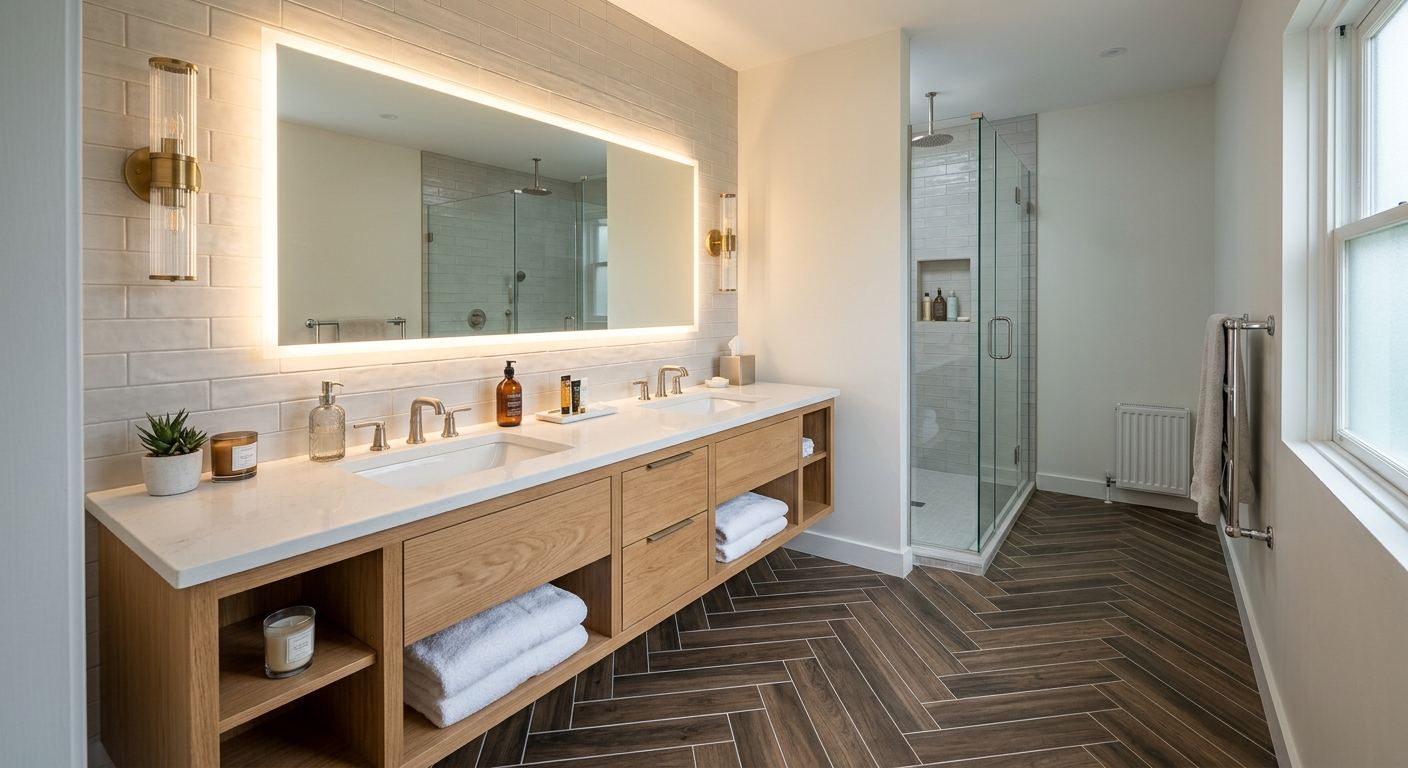
Bathroom renovation options and costs in Shelbourne
Shelbourne homeowners are often surprised by how quickly a “simple” bathroom update can change once trades start opening walls and floors. With Shelbourne’s population at 12,525 (Statistics Canada, 2021 Census), you’ll typically find a steady stream of renovation work drawing from the same limited pool of plumbers, tilers, and electricians serving the Lower Mainland–Southwest. That matters because labour is a main cost driver here, and the housing stock is frequently mid-century or older—many pre-1980 homes have dated plumbing layouts and are more likely to uncover issues like aged drains, galvanized supply lines, and even asbestos-containing materials in older floor systems.
Lower Mainland–Southwest pricing also reflects strong demand across Metro Vancouver and nearby communities, plus tighter availability of skilled specialty trades. Even though Shelbourne’s coastal conditions aren’t the only driver, bathroom humidity and ventilation performance do affect how carefully contractors build assemblies (waterproofing continuity, membrane tie-ins, and properly ducted exhaust). If you’re near the core shopping strip and multi-unit streets where access is tight, expect additional scheduling and disposal costs.
In neighbourhoods and older pockets of Shelbourne where homes tend to have narrower bathrooms and older venting routes, contractors often see the “hidden scope” moment early—sometimes during demolition, when plumbing venting or subfloor condition becomes obvious. The table below compares common options and what you can realistically expect to pay so you can line up your scope before you ask for quotes.
| Renovation Scope |
What's Included |
Typical Duration |
Price Range |
| Cosmetic refresh (paint, fixtures, accessories only) |
New vanity or light fixture, taps/handles swap, toilet seat or toilet replacement if like-for-like, paint, caulking refresh, re-sealing around tub/shower; no major plumbing rough-in |
3–7 days |
$18,000–$24,000 |
| Mid-range full renovation (new tile, vanity, tub/shower, electrical) |
Remove existing surfaces, update waterproofing, tile floor and shower surround, new vanity and mirror, tub-to-valve updates as needed, exhaust fan (ducted), GFCI receptacle(s), basic electrical upgrades, disposal |
2–4 weeks |
$28,000–$38,000 |
| High-end full renovation (custom tile, steam shower, heated floors) |
Designer tile layout, premium waterproofing system, custom shower with linear drain or steam-ready controls, heated floor mat, higher-tier fixtures and valves, upgraded venting/electrical, niche/shelving detailing, enhanced framing where required |
4–6 weeks |
$38,000–$45,000 |
| Shower-only installation (convert tub to walk-in shower) |
Demo tub and replace with walk-in shower, new waterproofed pan, tile surround, new curbless or low-curb layout (where space allows), valve trim replacement as required, exhaust fan tie-in if upgrading |
2–3 weeks |
$8,000–$25,000 |
| Bathtub replacement or tub-liner install |
Remove existing tub (or prepare for liner), install new tub and surround, recaulk and seal, basic valve alignment, matching trim, disposal; assumes plumbing connections are workable |
1–2 weeks |
$1,500–$6,000 |
| Tile-only installation (floor + surround, existing layout kept) |
Demo tile only, repair minor subfloor, install waterproofing and tile on floor + shower surround, grout sealing and final caulking; no relocation of drains/supplies |
1–3 weeks |
$2,000–$8,000 |
Prices are estimates only and vary by project scope, site access and material selection.
What affects the price of bathroom renovation in Shelbourne
In Shelbourne and across the Lower Mainland–Southwest, it’s common to see quotes for the “same” bathroom land 30–50% apart, even when finishes look similar. The biggest reason isn’t climate—it’s the local labour market and the age of nearby housing stock. Metro Vancouver and surrounding areas tend to have higher construction labour costs because demand is strong and skilled trades (plumbers, tilers, electricians) are in shorter supply, so the same hours of work cost more than in many parts of BC.
In older Lower Mainland homes, opening the bathroom often reveals the plumbing reality: cast-iron or galvanized drain components, copper supply lines that need rework, and venting setups that no longer meet modern expectations. That drives a move from a straightforward re-tile into a full rough-in scope. Discovery of asbestos-containing materials in older vinyl floor tile or drywall compound (more common in pre-1985 homes) can also trigger abatement steps and raise costs by about $1,500–$5,000+ depending on area size and access. Add in waterproofing continuity in a humid region and you’ll understand why workmanship and prep time matter.
Concrete examples from Shelbourne jobs: if you keep the drain where it is, a tile-only approach can land near the $2,000–$8,000 band; but if you move the shower valve or relocate the drain, you’re effectively buying rough-in work plus additional waterproofing tie-ins. Likewise, upgrading ventilation and electrical from “whatever was there” to properly ducted exhaust and code-compliant GFCI circuits is a common reason a cosmetic refresh can move closer to a mid-range full renovation budget in the $28,000–$38,000 range.
| Price Factor |
Why It Matters |
Cost Impact |
| Layout change — moving drain or supply lines requires rough-in work |
Changing plumbing locations means wall/ceiling access, new routing, and testing |
+$4,000–$12,000 depending on distance and wall type |
| Tile selection — large-format porcelain vs. mosaic vs. ceramic |
Format affects cutting complexity, waste, and installation time; porcelain is often heavier |
+$1,000–$6,000 |
| Fixture tier — builder-grade vs. mid-range vs. designer brands |
Higher tiers cost more upfront and may require specific trims/valves |
+$500–$5,500 |
| Subfloor condition — rot or unlevel concrete adds scope |
Water exposure can soften framing; uneven floors require build-up or remediation |
+$1,000–$7,000 |
| Electrical — adding GFCI outlets, exhaust fan, heated floor circuit |
Bathrooms require safe, protected circuits and properly sized wiring/controls |
+$800–$4,500 |
| Waterproofing method — membrane type and extent |
Better systems cost more but reduce call-backs and mould risk in a damp envelope |
+$600–$3,500 |
| Older-home surprises — asbestos tile, cast-iron drains, galvanized pipes |
Remediation and replacement add trades, labour time, and sometimes disposal/containment |
+$1,500–$10,000+ |
| Bathroom size — sq ft drives tile and labour time directly |
More area means more demolition, more waterproofing, and more tiling hours |
+/- $2,000–$8,000 across common bathroom sizes |
Permits & regulations in British Columbia
In British Columbia, many cosmetic bathroom updates in Shelbourne do not require permits. Swapping fixtures like a toilet, vanity, taps, and mirror, or replacing a like-for-like tub/shower with similar connections, is usually treated as a non-structural cosmetic change. Likewise, retiling with the same layout and without altering plumbing routes typically stays in the “no permit” category.
Permits are commonly required when you change plumbing or electrical scope. Examples of work that typically does require a permit include: relocating a drain or moving a supply line, modifying wet-wall framing to add new rough-in locations, replacing/adding ducted exhaust fans that involve new circuit work, and any structural wall changes. Electrical work must meet current electrical code requirements and be performed or signed off by a licensed electrician. Plumbing rough-in changes also typically trigger permits and inspections before walls close.
To verify a contractor in Shelbourne step-by-step, ask for three items before work starts: (1) their British Columbia trade licence number (and where applicable the contractor’s business registration), (2) a certificate of liability insurance (confirm the expiry date and limits), and (3) proof of workers’ compensation coverage (commonly referred to as WCB). Then check the clearance letter or coverage confirmation that corresponds to the project period. If anything is missing, that’s your signal to pause—bathrooms often involve multiple trades and concealed work that you want documented properly.
Choosing tile, waterproofing and fixtures for your Shelbourne bathroom
In Shelbourne, your bathroom budget usually turns on three material decisions: tile type, waterproofing system, and fixture tier. First is tile. Ceramic is an entry-level choice and can work well where you’re keeping costs contained, but it’s often more prone to visible damage in high-traffic areas if subfloor prep isn’t right. Porcelain offers better hardness and water absorption characteristics, which is why many Lower Mainland homeowners choose it for both floor and tub/shower walls. Natural stone (marble, travertine, slate) looks exceptional, but it can require more careful sealing and layout planning, especially for wet areas.
Second is waterproofing. With Lower Mainland–Southwest humidity and long seasonal dampness, the right waterproofing prevents mould and hidden leaks. A paint-on membrane can be cost-effective for certain details, but bonded sheet membranes (and robust systems like a properly installed schluter-style approach) are often more reliable for steamier shower conditions and complex corners—provided the installer follows the manufacturer’s methods at seams and transitions.
Third is fixtures. Builder-grade units can be fine, but mid-range and designer brands often improve long-term satisfaction through smoother valves, better finishes, and more consistent parts availability for service. As a practical dollar example, upgrading from ceramic to porcelain tile might add a few thousand dollars across the floor and surround, but that increase is often justified because porcelain’s performance and appearance hold up better in a wet-zone environment.
Your best match is the option that balances your tolerance for maintenance with your shower’s configuration (curb, bench, niche) and your contractor’s waterproofing details.
| Material / Option |
Pros |
Cons |
Price Range |
| Ceramic tile (floor + walls) |
Lowest material cost; good variety of styles; straightforward install when layout is simple |
May be less durable than porcelain in wet areas if prep isn’t excellent; more pattern visibility with uneven substrates |
$2,000–$5,000 |
| Porcelain tile (floor + walls) |
High durability and water resistance; cleaner look with modern grout lines; good for both floor and shower walls |
Heavier and sometimes pricier; large-format tiles increase risk of waste if layout is challenging |
$4,000–$8,000 |
| Natural stone (marble, travertine, slate) |
Premium look; unique veining and texture; excellent resale appeal when done well |
Higher material cost; sealing/maintenance required; more labour for layout and finishing |
$6,000–$12,000 |
| Frameless glass shower enclosure |
Modern, brighter look; durable when installed with proper reinforcement |
More expensive than framed options; installation tolerances must be precise |
$2,000–$6,500 |
| Prefab tub surround (acrylic) |
Fast install; consistent surfaces; often good for tight bathrooms and lower labour time |
Less custom look than full tile; can limit future design changes |
$1,200–$3,500 |
| Custom shower pan (tile or linear drain) |
Creates a premium, spa-like result; better drainage design; supports modern accessibility choices |
More labour and waterproofing precision required; higher risk if waterproofing isn’t executed perfectly |
$3,000–$10,000 |
How to choose a bathroom renovation contractor in Shelbourne
Choosing the right contractor in Shelbourne is less about marketing and more about verifying coverage, matching scope to the price, and ensuring the work is done under proper trade requirements in British Columbia. Start with licensing: ask for the contractor’s British Columbia trade licence details relevant to the scope (plumbing, electrical, and any specialty trades). Next, confirm liability insurance—request the certificate of insurance and check it covers general liability and is active for the project dates. Finally, verify workers’ compensation coverage (WCB) documentation so you’re not exposed if someone is injured on site.
Then demand 2–3 itemised written quotes with labour and materials clearly broken out. A good estimate will list demolition and disposal, plumbing rough-in changes (if any), waterproofing system brand/type, tile installation labour, electrical items (like GFCI and exhaust fan components), and what is excluded. Pay close attention to permit pull responsibilities: who applies, who pays, and whether inspections are included. Also confirm warranty terms—workmanship warranty length, how product/manufacturer warranties are handled, and whether they’re transferable if you sell your home.
For payment schedule, never agree to large upfront payments. A safe approach is to keep the initial deposit to roughly 10–15% and use milestone payments tied to completed, inspectable steps. Get a start date and completion estimate in writing so scheduling doesn’t drift.
- Request proof of British Columbia trade licence and ensure the work aligns with the licences provided.
- Collect certificate of liability insurance and confirm coverage is active.
- Verify WCB/workers’ compensation clearance for the contractor and subcontractors.
- Use itemised quotes (labour + materials), not a single lump-sum line.
- Ask what’s included in waterproofing: membrane type, seams, corners, and tie-ins to fixtures.
- Confirm whether permits and inspections are included and who is pulling them.
- Clarify disposal: will the contractor handle demolition waste and tipping fees?
- Require a list of fixture brands/models so “allowances” can’t quietly expand.
- Check tile spec: grout type, tile grade, and whether substrate prep is included.
- Ask how the contractor protects the home during demolition (plastic barriers, dust control).
- Review warranty in writing: workmanship term and exclusions for improper maintenance.
- Agree on payment milestones tied to completed phases, with holdback until final sign-off.
In Shelbourne, red flags include: quotes that avoid listing waterproofing details, missing proof of insurance/licence documentation, “allowance shopping” where tile or fixtures aren’t specified until payment is due, unusually short timelines with no demolition plan, and change-order wording that doesn’t require written approval before extra charges.
Frequently asked questions — bathroom renovation in Shelbourne
What's the ROI on a bathroom renovation?
In Shelbourne and the Lower Mainland–Southwest, a bathroom renovation can return meaningful value, especially when it improves function, ventilation, and finish durability for day-to-day living. That said, ROI depends heavily on whether you fix underlying issues (venting performance, waterproofing, dated plumbing) versus only refreshing cosmetics. A bathroom that stops leaks, improves moisture control, and feels modern tends to support stronger buyer confidence—particularly in older homes common across the region. If you’re targeting a mid-range full renovation, budgets often land around $28,000–$38,000, and the “best ROI” typically comes from aligning improvements with the home’s condition (for example, updating rough-in parts once walls are open). If your bathroom is structurally sound but dated, a more limited scope can preserve value without over-upgrading.
Do I need waterproofing behind the tile?
Yes—waterproofing behind (and at the edges of) tile is strongly recommended for showers and tub surrounds, especially in British Columbia where bathrooms operate in a humid, wet-zone environment. The goal is not just to keep water off the tile; it’s to protect the substrate and framing from moisture exposure that can lead to mould and hidden damage. In practical Shelbourne renovations, contractors typically build a fully waterproofed assembly for shower walls and shower floors, including correct treatment of seams and transitions. Some systems use paint-on membranes for certain details, while others use bonded sheet membranes designed for reliable continuity. If you’re converting or installing a walk-in shower, that waterproofing requirement becomes even more critical—one reason shower installs often sit within the $8,000–$25,000 band once full assembly labour is included.
How do I compare bathroom renovation quotes?
Start by comparing quotes like-for-like, not by totals alone. Ask for the scope in writing: demolition, new plumbing rough-in (if any), exhaust fan work, electrical changes, waterproofing method, tile area coverage, and disposal. Ensure “allowances” are comparable—tile type, fixture models, and glass enclosures can swing costs quickly. Confirm whether permits and inspections are included and who applies for them. Also check what warranties are offered: workmanship and how product warranties are handled. A quote that lands in a typical full renovation range (for example, $18,000–$45,000) but has fewer waterproofing details or unclear exclusions can end up more expensive after change orders. The goal is predictability: the clearer the scope, the less likely you’ll see a 30–50% swing from hidden conditions once walls open.
Can I live at home during a bathroom renovation in Shelbourne?
Often, yes—many Shelbourne homeowners stay in the home during part of the work, particularly if you have a second bathroom or you’re doing a smaller scope like tile-only or a cosmetic refresh. However, you should plan for disruption: demolition produces dust, plumbing can be shut down temporarily, and shower or tub use may be limited during waterproofing and tile cure times. For mid-range and high-end full renovations, expect a longer window where you may need alternative wash access. A practical approach is to schedule phases: demo and rough-ins first, then waterproofing and tile installation, then fixtures and trim. Discuss protection measures (dust barriers and floor protection) and a daily cleanup routine with your contractor. The better your contractor’s staging plan, the easier it is to remain comfortable during the renovation period.
What's the best bathtub material for a Shelbourne home?
The “best” tub material depends on your goals for durability, maintenance, and the bathroom’s existing setup. Acrylic tubs are common because they’re lighter and easier to install, and replacement can be faster when the plumbing connections can be reused. Cast iron tubs are very durable but heavier and may require more careful handling during replacement; they can also be costlier if site adjustments are needed. Fibreglass and composite options can also work, but quality varies by brand and reinforcement. If you’re considering a tub replacement or tub-liner approach, typical budgets fall into the $1,500–$6,000 band, with the biggest cost swings coming from demo, subfloor condition, and whether the surround is being replaced too. In older Shelbourne homes, also budget for potential subfloor repairs if water exposure has affected the framing under the tub.
Is it worth renovating a bathroom before selling in Shelbourne?
Usually, a bathroom renovation is worth considering before selling when your current bathroom has clear “buyer friction”—poor ventilation, visible dated finishes, leaking caulk, cracked tile, or functional limitations. Buyers often pay attention to moisture management and overall cleanliness, so investing in waterproofing quality and updated exhaust can outperform purely aesthetic upgrades. If your bathroom already has solid waterproofing and layout, a more controlled refresh (paint, fixtures, and limited retiling) can be the smart move and avoid overspending. If you’re aiming for a mid-range full renovation, many projects land around $28,000–$38,000, and the value improves when you also correct underlying issues once walls are opened (venting, plumbing rough-in, and electrical safety). For older homes, uncovering cast-iron drains or dated supply lines is common, and addressing them before listing can reduce inspection surprises.