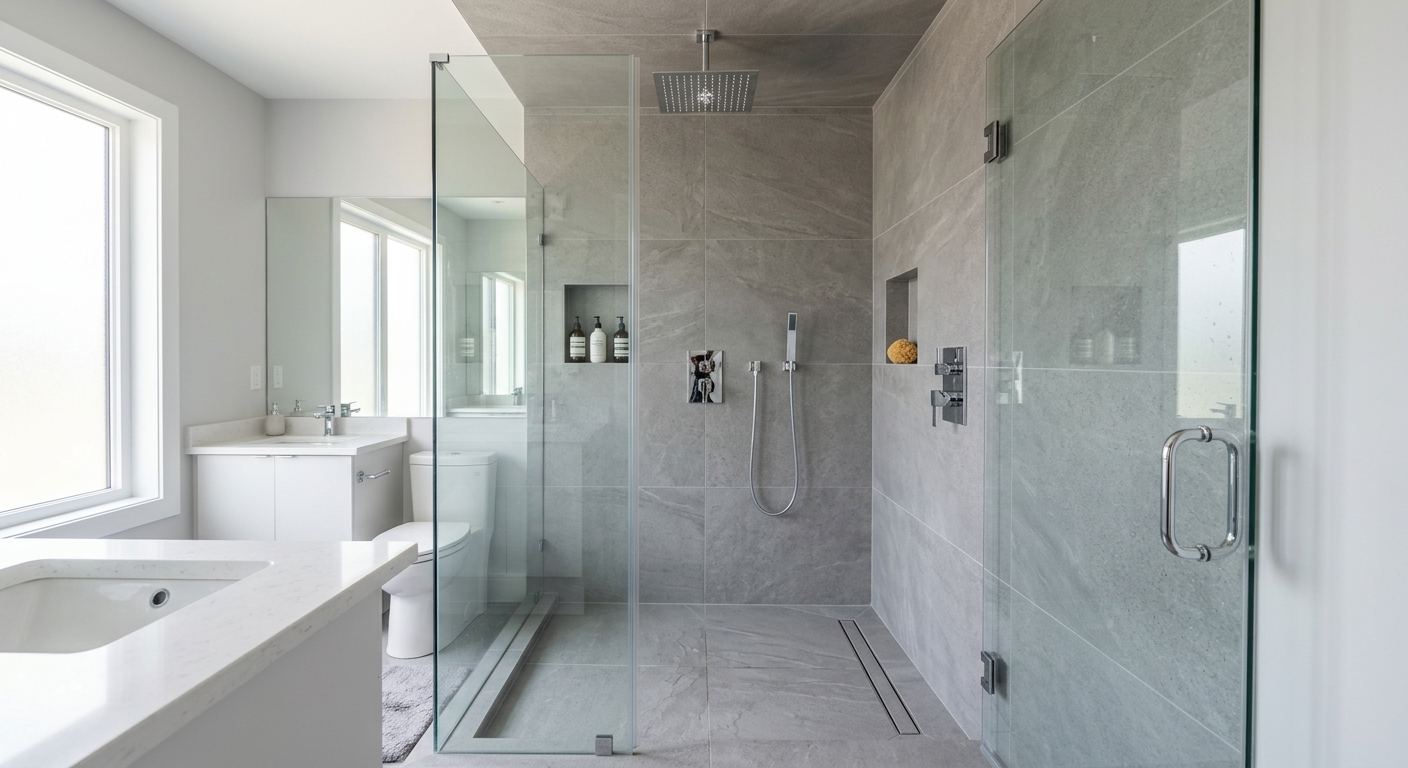
Bathroom renovation options and costs in Cedar Hill
Cedar Hill homeowners usually start with a clear goal—update looks, improve function, or fix hidden plumbing issues—and then discover that the real challenge is cost control. With a population of 2,633 (Statistics Canada, 2021 Census), Cedar Hill is a smaller community, but many renovation trades in the Cedar Hill area still price off the Toronto market, where skilled labour and bathroom complexity drive the numbers. The Toronto housing stock is heavily weighted toward older post-war and 1960s–1980s homes, which often means dated layouts, potential cast-iron drain sections, and—when floor coverings were installed in earlier eras—an increased chance of asbestos-containing materials in tile or drywall compound. That’s why two “same bathroom” projects can land far apart on budget.
In Ontario, the climate isn’t the main cost driver for bathrooms, but it does matter for moisture management and ventilation. Toronto’s freeze-thaw seasons and indoor humidity cycles make proper waterproofing, exhaust fan sizing, and correct wall/floor build-up critical—especially around showers and tub surrounds. Also, bathrooms are labour-intensive: tiling, custom shower builds, and plumbing/venting corrections require time and coordination, so reputable contractors in the GTA tend to quote at the high end of national averages when they expect surprises.
In Cedar Hill and nearby pockets of the Greater Toronto region, trade demand is especially high for shower conversions and tile work—call it the “bathroom refresh” wave common around established residential streets where homes were built decades ago. Use the table below to compare typical scopes, durations, and price bands, then we can dial it in to your exact layout and finish level.
| Renovation Scope |
What's Included |
Typical Duration |
Price Range |
| Cosmetic refresh (paint, fixtures, accessories only) |
Paint, swap vanity or faucet, replace toilet/lighting (no plumbing relocation), refinish tub (where applicable), accessories (towel bar, mirrors) |
3–7 days |
$3,000–$7,500 |
| Mid-range full renovation (new tile, vanity, tub/shower, electrical) |
Demo and disposal, waterproofing, tile floor + tub surround, vanity replacement, bathtub or tub/shower replacement, new exhaust fan + GFCI where required, basic electrical upgrades |
2–4 weeks |
$12,000–$20,000 |
| High-end full renovation (custom tile, steam shower, heated floors) |
Custom shower or steam shower system, premium waterproofing/membranes, heated flooring circuit, designer tile layout, upgraded plumbing trim, enhanced lighting and ventilation |
4–8 weeks |
$20,000–$30,000 |
| Shower-only installation (convert tub to walk-in shower) |
Demo tub, rough-in modifications as needed, waterproofing, tile or niche build, new shower valve/trim, curb or linear drain options, exhaust fan check/upgrade |
2–3 weeks |
$10,000–$18,000 |
| Bathtub replacement or tub-liner install |
Remove and replace tub and fittings (or liner system), seal and retile minimal surround, plumbing check and shut-offs as needed, caulking and waterproof detailing |
1–2 weeks |
$1,200–$6,000 |
| Tile-only installation (floor + surround, existing layout kept) |
Tile floor and shower/tub surround, underlayment adjustments, waterproofing to the tiled areas, grout/seal, basic accessory re-set (limited plumbing work) |
1–3 weeks |
$7,000–$14,000 |
Prices are estimates only and vary by project scope, site access and material selection.
What affects the price of bathroom renovation in Cedar Hill
If you’re seeing quotes that differ by 30–50% for what looks like the same bathroom, you’re not imagining it. In the Toronto economic region, bathroom pricing is mostly labour-led: tiling and waterproofing take skilled hours, and plumbing/venting fixes add time when walls are opened. The age of local homes matters more than climate for the total budget. Older post-war and 1960s–1980s properties frequently hide cast-iron drain sections, undersized or galvanized supply lines, and ventilation gaps that must be brought in line with current Ontario requirements—so the contractor ends up paying for more demolition, more rough-in labour, and sometimes licensed abatement. Discovery of asbestos-containing materials in vinyl floor tile or older drywall compound (commonly pre-1985) can trigger abatement protocols, which commonly add about $1,500–$5,000+ to the budget depending on area and access.
In Cedar Hill, you’ll often see cost swing based on what’s behind the finishes. For example: if your tub surround has old backer board that’s water-damaged, the budget can move toward a mid-range full renovation (often $12,000–$20,000) because the contractor must rebuild the substrate. If you’re keeping the existing plumbing layout, a tile-focused scope (frequently $7,000–$14,000) can be far more predictable.
Two common “local-condition” drivers in the Toronto region: (1) concealed plumbing condition—galvanized supply lines or mixed drain materials can require shut-off upgrades and drain reconfiguration; (2) ventilation strategy—bathrooms that lack adequate exhaust can force more rework around the fan location and duct routing. Those details are where labour hours pile up, regardless of how modern the fixtures look.
| Price Factor |
Why It Matters |
Cost Impact |
| Layout change — moving drain or supply lines |
Requires rough-in work, possible venting corrections, and wall opening across studs/joists |
Can add several thousand dollars to labour and permit/inspection effort |
| Tile selection — large-format porcelain vs. mosaic vs. ceramic |
Larger tiles require more careful prep; mosaics are labour-heavy and more prone to niche detailing complexity |
Material + installation time typically shifts the job up by thousands |
| Fixture tier — builder-grade vs. mid-range vs. designer brands |
Higher tiers cost more and may need more precise trim/valve compatibility and finishing |
Often changes the budget by about 10–25% depending on what’s replaced |
| Subfloor condition — rot or unlevel concrete adds scope |
Uneven or deteriorated substrate increases prep, patching, and waterproofing build-up |
Can add significant labour for leveling and repairs |
| Electrical — adding GFCI outlets, exhaust fan, heated floor circuit |
Work must meet Ontario code; new circuits, fan power, and tie-ins increase electrician time |
Electrical upgrades can add hundreds to a few thousand dollars |
| Waterproofing method — membrane type and extent |
Better membranes and complete coverage reduce future leaks and mould risk |
More thorough systems increase upfront cost but protect the build |
| Older-home surprises — asbestos tile, cast-iron drains, galvanized pipes |
Hidden conditions change demolition and may require licensed abatement or pipe rework |
Commonly adds roughly $1,500–$5,000+ or more depending on extent |
| Bathroom size — sq ft drives tile and labour time directly |
More area means more mortar, more cuts, more drying/curing time, and longer install schedules |
Can move a project across price bands |
Permits & regulations in Ontario
In Ontario, the permit requirements hinge on what you change. Cosmetic updates—like swapping a vanity, replacing a toilet, repainting, or retiling without moving plumbing—rarely need a permit. However, when you relocate plumbing (for example, moving a drain or supply lines), add or modify an exhaust fan that requires electrical changes, or make structural wall changes, permits and inspections are more likely to be required. For electrical work, any new circuits, added outlets (including required GFCI protection), and fan/heated floor wiring must meet provincial electrical code and be performed by (or signed off by) a licensed electrician.
Plumbing rough-in changes—such as new drain routing, venting corrections, or changing shut-off locations—typically require a permit and inspection. Because requirements can vary by the exact work description and how the scope is documented, the safest approach is to have your contractor include permit pull responsibility in the estimate and confirm the permit pathway before demolition.
To verify a Cedar Hill-area contractor, do this step-by-step: (1) check their Ontario trade licence details through the appropriate online registry for their trade class; (2) request a current certificate of liability insurance that matches the project scope; and (3) confirm WSIB/WCB coverage for their employees (or get confirmation that coverage applies/does not apply). Ask them for these documents before you sign—then verify expiry dates. A reputable contractor won’t hesitate to provide paperwork early, and it’s a major protection when hidden-condition discoveries expand scope.
Choosing tile, waterproofing and fixtures for your Cedar Hill bathroom
In Cedar Hill, your budget usually hinges on three material decisions: tile choice, waterproofing method, and fixture tier. First, tile selection sets both your look and your labour reality. Ceramic tile is typically an entry-level option, but it often has limitations for durability and water exposure in wet zones. Porcelain tile is denser and more consistent, making it a popular mid-range choice for floors and walls. Natural stone (marble, travertine, slate) can look premium, but it needs extra attention to sealing, layout planning, and installation technique.
Second, waterproofing is where Ontario bathroom failures are prevented. While Cedar Hill’s temperatures swing, the bigger issue is humidity management—especially around showers. A paint-on membrane can work in some scenarios, but many homeowners choose a bonded sheet membrane or a purpose-built system (including compatible thinset and proper overlap details) for better performance under tile. The goal is complete, continuous coverage at corners, niches, and transitions.
Third, fixtures: builder-grade saves money upfront, but mid-range or designer brands can be worth it for valve feel, finish longevity, and how resale buyers interpret quality. For a concrete example: if you’re choosing between basic tile and a higher-performance porcelain with a stronger waterproofing package, you might spend an extra $2,000–$5,000 overall compared to a lower-spec approach—but you’re buying reduced rework risk after water exposure.
Match these choices to your specific bathroom. If you’re doing a tub-to-shower conversion, waterproofing and drain detailing are non-negotiable. If you’re keeping the layout and only upgrading finishes, you can often get the best value by upgrading tile and ventilation while holding plumbing costs steady.
| Material / Option |
Pros |
Cons |
Price Range |
| Ceramic tile (floor + walls) |
Entry-level cost, wide style selection, straightforward installs on a properly prepped surface |
More variation in tolerance for wet zones; may chip or dull faster if the wrong product is used |
$3,000–$7,500 |
| Porcelain tile (floor + walls) |
High durability, better consistency, often more water-tolerant; ideal for shower walls and floors |
Can be heavier and requires careful subfloor prep; premium looks increase material cost |
$5,000–$10,500 |
| Natural stone (marble, travertine, slate) |
Luxe appearance; unique veining and high-end design feel |
Needs sealing and correct grout selection; can be more expensive and labour-intensive to install |
$8,000–$18,000 |
| Frameless glass shower enclosure |
Clean, modern look; better visual space; long-term finish when installed correctly |
Custom measurement and careful waterproofing around anchors; glass hardware is pricier |
$2,000–$6,500 |
| Prefab tub surround (acrylic) |
Fast installation, fewer grout joints, good water resistance when installed over appropriate substrate |
Less design flexibility than full tile; can look less “high end” to buyers |
$1,200–$4,000 |
| Custom shower pan (tile or linear drain) |
Achieves a seamless, tailored shower floor; linear drains can dramatically upgrade the look |
Requires precise slope and waterproofing; more labour hours and coordination with plumbing |
$4,000–$12,000 |
How to choose a bathroom renovation contractor in Cedar Hill
Choosing the right contractor in Cedar Hill comes down to proof, not promises. Start by verifying Ontario licensing for the trade(s) they claim to perform, then confirm liability insurance—request a certificate of insurance showing the policy is active for the project period. Next, check WSIB/WCB coverage for their employees (ask for confirmation or documentation). If a contractor can’t provide these easily, pause before signing; bathroom work often involves plumbing and electrical tie-ins that are expensive to redo.
Get 2–3 itemised written quotes, not a single lump sum. The best estimates break labour and materials out line-by-line, list removal/disposal, identify what waterproofing system is being used, and specify whether electrical work includes GFCI and exhaust fan wiring. Read the scope for what’s excluded: is drywall patching included, is permit pulling included, and is disposal/skips included? Ask how they handle hidden conditions (asbestos, damaged subfloor, drain rework) and whether the quote includes a contingency or unit-rate pricing.
Warranty matters for both workmanship and products. Confirm the workmanship warranty length, whether it applies to tile and waterproofing failures, and whether product/manufacturer warranties are transferable. For payment, avoid paying more than 10–15% upfront; hold back a portion until the job is complete and verified. Finally, insist on a start date and a realistic completion estimate in writing—bathrooms are sequencing-dependent, especially when tile, membranes and inspections have curing/approval timelines.
- Request their Ontario trade licence number(s) and confirm they match the work in the proposal.
- Collect proof of liability insurance (active policy, appropriate coverage limits).
- Confirm WSIB/WCB coverage for employees (documentation or written confirmation).
- Get 2–3 itemised quotes with labour and materials breakdown (no “mystery line items”).
- Ask whether permit pull and inspections are included, and who files the paperwork.
- Confirm disposal is included (dump fees/haul-away) and whether a skip is used.
- Verify waterproofing approach in writing (membrane type, coverage areas, transition details).
- Ensure the quote states what happens if asbestos or hidden damage is discovered.
- Ask for a projected materials schedule so tile and fixtures don’t delay the job.
- Confirm electrical specifics: GFCI, exhaust fan, and heated-floor circuit (if included).
- Review warranty details: workmanship duration, coverage scope, and transferability.
- Lock a payment schedule in writing; don’t exceed 10–15% upfront.
Concrete red flags I often see with bathroom contractors in the Cedar Hill area: vague scopes (“allowance for tile” with no quantities), no proof of insurance or WSIB/WCB, refusing to put permit/disposal details in writing, pushing large upfront payments, and giving short completion promises that ignore cure times and inspection windows.
Frequently asked questions — bathroom renovation in Cedar Hill
Do I need a permit for a bathroom renovation in Ontario?
In Ontario, many cosmetic changes don’t trigger permits. Swapping a vanity, repainting, replacing a toilet, or retiling without moving plumbing is typically handled as a renovation without a permit. Permits are commonly needed when you relocate plumbing (moving drain or supply lines), add or alter electrical work such as new GFCI outlets, or install/relocate an exhaust fan that requires new circuit work. If you’re changing structures (walls/joists) or doing significant venting corrections, inspections become more likely. For Cedar Hill homeowners, the easiest path is to have your contractor itemise the work and confirm the permit approach before demo. Always verify electrical/plumbing trades are licensed.
What's the best tile for a bathroom in Cedar Hill?
The “best” tile balances durability, maintenance, and installation quality. For most Cedar Hill bathrooms, porcelain tile is a strong mid-range choice because it’s consistent and performs well on floors and walls when installed over the right substrate with proper waterproofing. If you want a more budget-friendly finish, ceramic can work in lower-risk applications, but you must select the correct product for wet areas. Natural stone looks premium but costs more in labour and materials and needs sealing. In practical budget terms, if your full renovation is in the $12,000–$20,000 range, upgrading from basic ceramic to porcelain often gives a noticeable improvement in longevity—especially around shower walls.
Should I do a tub-to-shower conversion?
A tub-to-shower conversion is usually worth considering when you want easier day-to-day use, plan to age in place, or you simply don’t use the tub. In older Toronto-area homes, conversions can also help you refresh the waterproofing strategy and ventilation details in a targeted way. The trade-off is that conversions require more labour because plumbing rough-in changes are common—even when the layout looks similar—plus shower pan and drain detailing. Many GTA-style shower conversions land in the $10,000–$18,000 range depending on whether you’re adding a linear drain, doing custom tile, and upgrading electrical for the fan. If your tub is in poor shape, it can be a smarter move than replacing the tub alone.
How do I prevent mold in a Cedar Hill bathroom?
Mould prevention is mainly about controlling water and moisture pathways: waterproofing, grout/corner detailing, and ventilation. Choose a complete waterproofing system suitable for tiled wet zones and make sure seams, corners, and niches are treated—not just the main floor area. An exhaust fan sized for your bathroom’s volume and ducted properly is critical; otherwise, humidity lingers after showers. Also, use quality caulking at transitions and avoid leaving any penetrations improperly sealed. In Cedar Hill and throughout Ontario, bathrooms see high seasonal humidity from indoor moisture and temperature swings, so ventilation and waterproofing have to be designed for that reality. If your current bathroom already has signs of water staining, budget for substrate repairs as part of moisture control.
What adds the most resale value in a bathroom reno?
Resale value usually tracks with perceived quality, functional upgrades, and “problem avoidance” (no future leaks). In the Toronto region, buyers respond well to modern, dry, well-ventilated bathrooms, durable tile work, updated fixtures, and a clean layout. Upgrading to a properly waterproofed shower (and good exhaust fan performance) often does more for resale than spending on decorative extras. You also get value from tidy electrical updates—like GFCI protection and correctly placed lighting—because they signal safety and compliance. Budget-wise, homeowners typically see the best value in a mid-range full renovation around $12,000–$20,000, where you can change key wet-area surfaces and fixtures without overextending on high-end add-ons.
Can I keep my existing plumbing layout to save money?
Yes, keeping the plumbing layout is one of the most reliable ways to save money in Cedar Hill. When you don’t move drains or supply lines, the contractor avoids a lot of rough-in labour, reduces wall opening, and lowers the risk of uncovering additional drain/vent complications. That’s why renovation scopes that stay layout-neutral often fit predictably within tile-focused or mid-range full renovation budgets (for example, tile-only work commonly sits around $7,000–$14,000, while a mid-range full renovation often runs $12,000–$20,000). That said, you still need the plumbing inspected once the walls open—older cast-iron drains, galvanized lines, and older shut-offs can require corrections even if you keep the same layout.