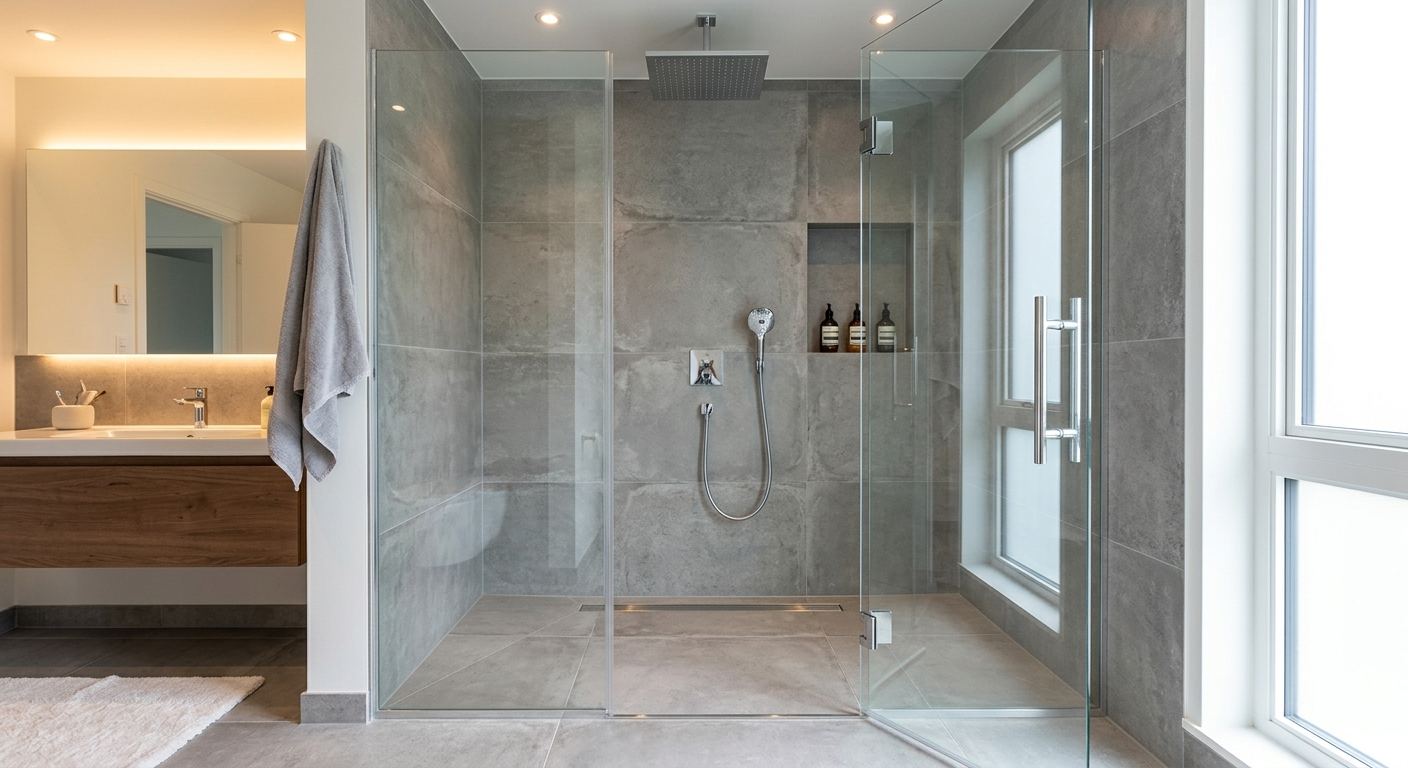
Bathroom renovation options and costs in Delhi
In Delhi, Ontario, bathroom renovations typically fall into a few clear tiers—mainly because the Toronto economic region has a tight pool of skilled trades and the area’s housing stock is often older. With a small local population of 5,344 (Statistics Canada, 2021 Census), contractors tend to schedule work in a deliberate sequence, so availability can affect your timeline and how firms price labour. In the GTA, many homes were built in post-war to late 20th-century eras, which often means dated plumbing layouts, cast-iron or undersized drains, and a greater chance of hidden asbestos-containing materials in older floor tile or drywall joint compounds. That’s one reason realistic budgets in this region commonly sit above national averages.
Ontario “climate” isn’t what drives the bathroom bill the way it might for exterior projects; instead, costs are shaped by labour rates and how much rework is required once walls and floors open. When drainage/venting and supply lines need updates to meet current Ontario expectations, it can add several thousand dollars in drain reconfiguration, vent corrections, and new shut-offs. Demand is also especially consistent around well-established residential pockets such as the Delhi village core area, where older homes with compact bathrooms are common and shower conversions are frequent. Use the table below as your starting point for comparing renovation options and contractor expectations in Delhi.
| Renovation Scope |
What's Included |
Typical Duration |
Price Range |
| Cosmetic refresh (paint, fixtures, accessories only) |
Paint, cabinet hardware, towel bars, toilet/vanity faucet swap (no plumbing relocation), new lighting trims, re-caulk, and accessory updates |
3–7 days |
$3,000–$6,500 |
| Mid-range full renovation (new tile, vanity, tub/shower, electrical) |
Remove existing surfaces, install new tile floor and tub/shower surround, replace vanity and fixtures, update exhaust fan, add/upgrade GFCI outlets, new shut-offs if needed, disposal and basic rough-in fixes |
2–3 weeks |
$12,000–$22,000 |
| High-end full renovation (custom tile, steam shower, heated floors) |
Custom shower design (tile or linear drain), steam-ready waterproofing system, heated floor circuit, premium vanity and fixtures, upgraded electrical scope, niche(s), upgraded lighting layout, and more extensive plumbing rework |
3–5 weeks |
$22,000–$30,000 |
| Shower-only installation (convert tub to walk-in shower) |
Demo tub, waterproof shower area, tile shower walls and floor, install curb/threshold or flush transition, convert plumbing where required, and add an upgraded exhaust fan |
1.5–3 weeks |
$10,000–$18,000 |
| Bathtub replacement or tub-liner install |
Remove and set new tub and surround as specified, new faucet trim, re-caulk and seal, or install tub-liner system where layout allows, plus minor trim/painting |
5–10 days |
$1,200–$5,000 |
| Tile-only installation (floor + surround, existing layout kept) |
Demo tile only, prep subfloor, install tile floor and wall surround, waterproofing and sealing as required, grout and silicone detailing, and replacement of trim finishes |
1–3 weeks |
$6,000–$15,000 |
Prices are estimates only and vary by project scope, site access and material selection.
What affects the price of bathroom renovation in Delhi
In Delhi, homeowners often notice that two contractors can price the “same” bathroom job 30–50% apart. That gap isn’t usually about product quality—it’s about labour rates in the GTA and what the job uncovers once it’s open. Bathroom work is labour-intensive, especially for waterproofing, tiling, and any custom shower plumbing. Also, unlike projects that depend heavily on weather, bathroom renovations here are driven more by housing stock age than climate: older post-war and 1960s–1980s homes are more likely to have hidden cast-iron drain sections, galvanized supply lines, and older venting that doesn’t match current expectations.
When asbestos-containing materials are found—commonly in older floor tile or related compounds—abatement protocols can add roughly $1,500–$5,000+ depending on the extent and containment requirements. In practice, a “mid-range full renovation” budget (often around $12,000–$22,000) can climb into higher tiers when drain/vent work is discovered after demo, especially if you also want custom tile and updated electrical. Conversely, a “tile-only installation” can stay closer to its band (roughly $6,000–$15,000) when the subfloor is stable and plumbing doesn’t need relocation.
Concrete examples we see in Delhi: (1) moving a vanity to improve storage frequently means relocating supply and drain rough-in—labour and patching rise quickly; (2) switching from standard 12-inch tile to large-format porcelain increases layout time and risk of lippage, which can add labour; (3) replacing an undersized vent or correcting slope on an older drain stack can prevent recurring odours and slow drainage, but it’s a “hidden cost” worth planning for.
| Price Factor |
Why It Matters |
Cost Impact |
| Layout change — moving drain or supply lines requires rough-in work |
New rough-in means demo, pipe work, patching, and sometimes vent corrections |
$2,000–$7,000+ |
| Tile selection — large-format porcelain vs. mosaic vs. ceramic |
Different tile sizes change cutting complexity, substrate tolerance and setting time |
$500–$4,000 |
| Fixture tier — builder-grade vs. mid-range vs. designer brands |
Premium valves, shower systems, and hardware add material cost and sometimes labour calibration |
$800–$5,000+ |
| Subfloor condition — rot or unlevel concrete adds scope |
Leveling and repairs can be extensive before waterproofing and tile go in |
$1,000–$6,000 |
| Electrical — adding GFCI outlets, exhaust fan, heated floor circuit |
New circuits require proper routing, box changes and licensed electrical work |
$600–$4,500 |
| Waterproofing method — membrane type and extent |
Right system reduces mould risk; larger wet areas increase materials and labour |
$500–$3,000 |
| Older-home surprises — asbestos tile, cast-iron drains, galvanized pipes |
Discovery triggers abatement/pipe replacement and extra disposal and protection measures |
$1,500–$10,000+ |
| Bathroom size — sq ft drives tile and labour time directly |
More surface area means more tile, grout, waterproofing and longer install time |
Varies; commonly $1,000–$8,000 by size |
Permits & regulations in Ontario
In Ontario, permit needs depend on what you change—not whether it “looks like a renovation.” In most Delhi bathroom refreshes, swapping fixtures and finishing materials typically does not require a building permit. That generally includes: replacing a vanity, swapping a toilet or faucet trim, repainting walls, updating lighting trim (where no new wiring is added), and retiling/tub surround when plumbing locations stay the same. If you’re relocating plumbing—moving a drain or supply line—or opening walls in a way that changes rough-in, that is commonly a permit-required situation because it changes the plumbing system.
Electrical work is also a key dividing line. Adding or relocating circuits, installing an exhaust fan with new wiring, upgrading to code-compliant GFCI protection, or adding heated flooring circuits must be done by a licensed electrician and will be subject to required inspections/sign-offs. Structural changes (like moving walls or altering support elements) and any work that changes building elements in a way inspectors consider “structural” will also typically require permits.
To verify a contractor before you sign: check their Ontario trade licence (where applicable to their trade) and confirm liability insurance with a current certificate of insurance. Ask for their WSIB/WCB coverage status—then look for documentation or a clearance letter that matches the legal name of the business. A reputable contractor in the Delhi area will provide these quickly, in writing, alongside their itemised quote and warranty terms.
Choosing tile, waterproofing and fixtures for your Delhi bathroom
In a Delhi bathroom renovation, your biggest budget swings usually come from three decisions: tile choice, waterproofing method, and fixture tier. First, tile: entry-level ceramic can be cost-effective, but it often demands more careful handling during installation and can be less forgiving for longevity in high-moisture zones. Mid-range porcelain is a common sweet spot in the Toronto market because it holds up well to moisture exposure and withstands daily cleaning—while also supporting cleaner grout lines in many layouts. Natural stone (marble, travertine, slate) is beautiful, but the extra fabrication, sealing, and more demanding installation labour typically pushes costs to the high end.
Second, waterproofing: Ontario bathrooms see indoor humidity every day, and tile is only as good as the waterproofing system behind it. A paint-on membrane may work for limited scenarios, but bonded sheet membranes or a modern system (often using a complete mortar+membrane approach) tend to provide more dependable coverage in real-world shower conditions. For many owners, paying for a robust method prevents the mould and blistering issues that show up when details—corners, niches, and transitions—aren’t treated properly.
Third, fixture tier: builder-grade items can look fine initially, but mid-range valves, better shower hardware, and quieter exhaust fans can make the space feel “finished” for years. For example, if you shift from basic shower valves to a mid-range complete shower system, you might spend an extra $600–$2,500, but you’ll usually get smoother temperature control and better trim finishes that buyers notice at resale. Balance that upgrade against keeping your waterproofing and substrate prep at a high standard.
| Material / Option |
Pros |
Cons |
Price Range |
| Ceramic tile (floor + walls) |
Lower material cost, wide colour range, straightforward installation for standard layouts |
May be less durable than porcelain; can show wear sooner in some high-traffic patterns |
$3,000–$8,000 |
| Porcelain tile (floor + walls) |
High moisture resistance, more consistent sizing for clean lines, good long-term value |
Higher material cost; large-format pieces may require more precise substrate prep |
$5,000–$12,000 |
| Natural stone (marble, travertine, slate) |
Premium look, unique variation, excellent “luxury” finish |
Sealing/maintenance, higher waste and fabrication; can be costlier to install correctly |
$9,000–$20,000 |
| Frameless glass shower enclosure |
Modern appearance, more open sightlines, durable hardware options |
Must be accurately installed; requires solid waterproofing and proper wall alignment |
$2,000–$6,000 |
| Prefab tub surround (acrylic) |
Fast installation, easy cleanup, less labour than full tile surrounds |
Limited design flexibility; may not match a fully custom tile aesthetic |
$1,200–$3,500 |
| Custom shower pan (tile or linear drain) |
Better integration with your layout, cleaner drainage line options, high-end look |
More waterproofing complexity; labour increases for proper slope and transitions |
$4,000–$12,000 |
How to choose a bathroom renovation contractor in Delhi
Choosing the right contractor is less about marketing and more about verification. Start by confirming Ontario trade licensing (for the specific trade scopes they’ll perform) and ask for proof of liability insurance—then make sure the certificate shows the correct legal business name and dates. For safety and compliance, request their WSIB/WCB clearance or equivalent documentation showing coverage status for workers. If a contractor can’t provide these without pressure, keep looking.
Next, get 2–3 itemised written quotes. You want a labour + materials breakdown and a clear description of what’s included (and excluded). Watch for vague language like “includes plumbing adjustments” without specifying what’s being done. Ask whether the quote includes permit pulling (if required), drywall/tile backer prep, disposal, and any asbestos/abatement contingencies if older materials are found.
Warranty matters: confirm the workmanship warranty length (for waterproofing and tile install) and whether product warranties are direct from manufacturers. Ask if the warranty is transferable to future owners—this can matter for resale. Payment schedules should be sensible: never pay more than 10–15% upfront; progress payments should tie to milestones, and you should hold back a portion until the job is fully complete and defect-free.
Finally, lock in the timeline in writing, including a start date, an estimated completion window, and what happens if materials are delayed. Bathroom work can extend if inspections are required for rough-in plumbing/electrical—so clarity protects both sides.
- Verify Ontario licensing for the relevant trade scopes (and request licence numbers where applicable).
- Confirm liability insurance certificate and coverage amount (ask for an updated copy).
- Request WSIB/WCB clearance or proof of coverage before work begins.
- Get 2–3 itemised quotes with labour and materials broken out line-by-line.
- Ask for a detailed demolition plan and who handles disposal/landfill fees.
- Confirm waterproofing method and coverage areas (shower walls, curb, niches, transitions).
- Clarify electrical scope: exhaust fan, GFCI, lighting and any heated floor circuit.
- Ask which permits are required and whether the contractor pulls them or you do.
- Check that plumbing rough-in changes specify drain/vent updates and shut-off replacements if needed.
- Review tile specifications: grout type, underlayment prep, and handling of large-format tile.
- Confirm warranty terms: workmanship duration and manufacturer warranty details.
- Use a milestone-based payment schedule and keep a holdback until final inspection/closeout.
Red flags I commonly see in Delhi-area bathroom jobs: (1) quotes that are not itemised and rely on “allowances” without numbers; (2) a contractor who won’t provide licensing, insurance, or WSIB/WCB documentation in writing; (3) “unlimited” waterproofing claims without naming the system or detailing corners/niches; (4) pushing for large upfront deposits beyond 10–15%; (5) no written schedule or no clarity on what triggers change orders after demo.
Frequently asked questions — bathroom renovation in Delhi
Do I need waterproofing behind the tile?
In most Delhi and Ontario bathroom installs, yes—waterproofing behind tile is the standard that protects the structure behind the finish. Even if you’re doing a “tile-only installation,” the shower zone (walls and floor) usually needs a full waterproofing system, including careful treatment at corners, seams, curb/threshold areas, and any niches. Contractors who treat waterproofing as optional are the ones that see problems later: grout can look fine while the substrate slowly fails behind the wall. If you’re converting a tub to a walk-in shower or adding a linear drain pan, the waterproofing scope becomes more complex and more critical. A full renovation budget in the GTA often ranges from $12,000–$22,000, and proper waterproofing is typically a core part of why the quote is realistic—not an “extra.”
How do I compare bathroom renovation quotes?
Start by comparing apples to apples. In Ontario bathroom renovations around Delhi, the biggest quote differences usually come from labour scope (demo, prep, waterproofing, tiling labour) and what happens to the plumbing rough-in once walls are opened. Ask every contractor for the same level of detail: tile specifications, waterproofing method, exhaust fan model, electrical scope, and whether permits are included. Then confirm who handles disposal and whether there’s an allowance for unknown conditions like uneven subfloor or older drain/vent issues. It’s normal for a quote to shift by a few thousand dollars after discovery in older homes, but you should be able to see where the money is going. If one quote is near the low end of $12,000–$22,000 while another is closer to $22,000–$30,000, check what’s upgraded: heated floors, premium shower valves, or extensive drain/vent corrections.
Can I live at home during a bathroom renovation in Delhi?
Often, yes—especially if you have a second bathroom. For many Delhi homeowners, the renovation is manageable during weekdays because the work can be staged: demo and rough-in happen first, then waterproofing and tile follow. However, you may not be able to use that bathroom during the waterproofing and tile cure periods, and you’ll want a clear plan for drying time and dust control. If your only bathroom is being renovated, expect more disruption and arrange alternative washing options. Timeline clarity matters: a mid-range full renovation usually runs roughly 2–3 weeks, and changes to plumbing/electrical inspections can extend schedules. Make sure your contractor documents the daily work hours, dust containment setup, and site protection so you can safely continue living in the home during the build.
What's the best bathtub material for a Delhi home?
The “best” bathtub material depends on how you use it and whether you’re replacing the tub only or doing a larger mid-range/full renovation. For many Ontario bathrooms, acrylic tubs are popular because they’re lightweight, easier to install, and usually more cost-controlled than heavy options. If you’re keeping your existing layout and want less demo, a tub replacement or a tub-liner approach can keep costs closer to the low end of typical ranges (often $1,200–$3,500). For higher-end comfort, some homeowners invest in upgrades alongside a full renovation—like premium fixtures and better surrounds—so the tub feels truly “finished.” In older Delhi homes, make sure the installer assesses subfloor condition before setting any tub; uneven framing or rot can lead to movement and leaks later, regardless of tub material.
Is it worth renovating a bathroom before selling in Delhi?
Often, yes—if you renovate strategically. In the Toronto economic region, buyers respond to visible quality: clean tile lines, updated vanities, modern lighting, and a shower that drains correctly. A bathroom refresh can also help inspections, especially if you correct ventilation (a common issue in older homes) and address plumbing realities revealed during demo. That said, an overly high-end bathroom in a modest home can be a “nice-to-have” rather than a strong return. Many homeowners target a mid-range full renovation that keeps essentials current while not overspending on luxury features. If you’re aiming for value, consider investing in waterproofing quality, durable porcelain tile, and reliable exhaust fan performance—rather than chasing the most expensive stone. Budget-wise, staying in the $12,000–$22,000 band is a common approach when selling soon, while upgrades like heated floors can push toward $22,000–$30,000 if your market supports it.
How do I plan a bathroom renovation on a tight budget in Delhi?
On a tight budget in Delhi, plan by separating “must-do” from “nice-to-do.” Must-do items are the ones that prevent expensive repairs later: correct waterproofing, proper substrate prep, and any necessary electrical safety updates (like GFCI and exhaust fan wiring). Nice-to-do items include major layout changes and premium finishes. If you’re trying to control costs, consider keeping the plumbing layout and doing a tile-focused scope or a mid-range refresh rather than converting tub-to-shower with drain relocation. A cosmetic refresh can start much lower than a full renovation, while tile-only work can be a controlled way to improve appearance without paying for extensive plumbing. Also, build contingency for older-home surprises—discovery of cast-iron drains or asbestos-containing materials in pre-1985 components can change the budget. Using bands helps you sanity-check quotes: for example, if you’re near the $3,000–$6,500 zone, don’t expect full waterproofed shower conversions that realistically sit higher, often in the $12,000–$22,000 range.