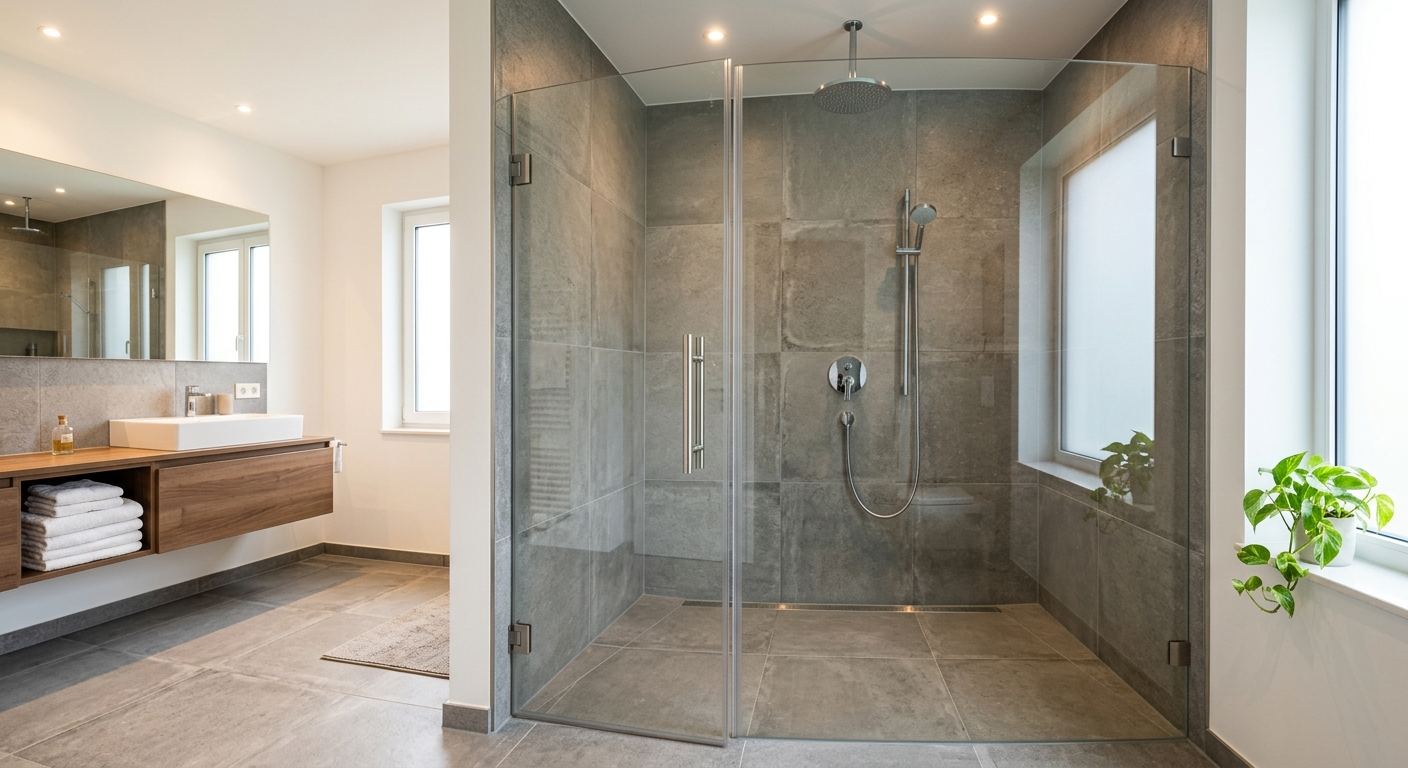
Bathroom renovation options and costs in Espanola
Espanola is a mid-sized community on the doorstep of the North, and bathroom renovation pricing there tends to track the reality of older housing and labour availability. With 79.0% of homes built before 1981, many renos start with dated drain layouts, older supply lines and finishes that were never designed for today’s ventilation expectations. In some cases, floor coverings from earlier eras can also indicate asbestos-containing materials, which changes the budget quickly once the tile or drywall compound is opened. Meanwhile, the Northeast market means you’re often competing for a smaller pool of qualified plumbers, electricians and tile setters; even when the bathroom itself is straightforward, trades and travel time can push labour toward the mid-to-higher end of typical Ontario ranges.
Weather still matters, but in Espanola the bigger driver is what’s behind the walls rather than daily outdoor swings. When older venting or subfloor conditions are discovered, you may need additional time for rough-in upgrades, improved exhaust ducting, and careful waterproofing prep. If you’re renovating near the downtown corridor and Central Road, crews often see a bit more scheduling pressure because multiple projects are happening at once and access can be tight. With that in mind, use the scopes below as a starting point for comparing quotes, then confirm what each contractor includes before you sign anything.
| Renovation Scope |
What's Included |
Typical Duration |
Price Range |
| Cosmetic refresh (paint, fixtures, accessories only) |
Paint, toilet/vanity swap, new faucet, towel bars, mirror, caulking, minor caulk and seal touch-ups, existing layout kept |
3–7 days |
$4,000–$10,000 |
| Mid-range full renovation (new tile, vanity, tub/shower, electrical) |
Demo and disposal, waterproofing prep, new tile floor and surround, new vanity, tub or tub/shower with new trim, updated exhaust fan (typical), GFCI where required, basic plumbing adjustments within existing locations |
2–4 weeks |
$15,000–$28,000 |
| High-end full renovation (custom tile, steam shower, heated floors) |
Design upgrades, custom tile work, steam-ready shower or premium shower system, heated floor circuit, upgraded valves, higher-end vanity and fixtures, enhanced waterproofing system, electrical detailing and trim-out |
4–7 weeks |
$28,000–$40,000 |
| Shower-only installation (convert tub to walk-in shower) |
Remove tub, install walk-in shower base/pan, tile surround, new glass (or curtain track), new valve trim, waterproofing, exhaust fan check/upgrade |
2–3 weeks |
$6,000–$16,000 |
| Bathtub replacement or tub-liner install |
Replace tub with similar footprint, new tub deck/tile edges, plumbing hookup, recaulk, or liner installation prep and set (if eligible) |
5–10 days |
$2,000–$6,000 |
| Tile-only installation (floor + surround, existing layout kept) |
Tile floor and wall surround only, replace damaged backer board where needed, waterproofing where required for tile, grout/caulk, movement joint detailing, existing fixtures reused if acceptable |
1–3 weeks |
$6,000–$18,000 |
Prices are estimates only and vary by project scope, site access and material selection.
What affects the price of bathroom renovation in Espanola
In Espanola and across the Northeast of Ontario, homeowners can see quote swings of 30–50% for what looks like the “same” bathroom. The difference is usually not the tile brand—it’s the labour pool, the time required to open up walls safely, and how often older infrastructure forces code-minded upgrades. Even though climate isn’t as punishing as in some parts of Canada, moisture behaviour inside bathrooms still depends on ventilation and waterproofing execution, and older homes often don’t have the airflow path needed to prevent recurring dampness.
Labour is the biggest cost driver in the Northeast market: when plumbers and electricians are in demand, they bill more heavily and schedule windows tighten. The second driver is housing age. With 79.0% of homes built before 1981 in this area, it’s common to find cast-iron or older drain components that don’t line up neatly with modern shower pans, plus galvanized supply lines that may need replacement at rough-in. Venting can also be undersized or routed poorly, so adding an exhaust fan or improving ducting can add both labour hours and materials. For older-home surprises, asbestos risk is the wildcard—if asbestos-containing floor tile or drywall compound is found during demo in a pre-1985 style build, abatement can add about $1,500–$5,000+ to the budget depending on scope and disposal requirements.
Concrete examples: if you keep the plumbing where it is, a mid-range renovation commonly fits around the $15,000–$28,000 band. If you change the layout—moving a drain for a walk-in shower—or add heated flooring, you’re more likely to land in the higher end of the $28,000–$40,000 range for a full renovation due to extra electrical and rough-in time.
| Price Factor |
Why It Matters |
Cost Impact |
| Layout change — moving drain or supply lines requires rough-in work |
New rough-in means opening walls, altering framing, and redoing waterproofing transitions |
Typically +$3,000–$12,000 |
| Tile selection — large-format porcelain vs. mosaic vs. ceramic |
Harder cuts, more prep, higher material wastage, and longer setting time |
Typically +$1,000–$7,000 |
| Fixture tier — builder-grade vs. mid-range vs. designer brands |
Valve trims, shower systems, vanities and hardware vary widely in finish complexity and cost |
Typically +$800–$6,500 |
| Subfloor condition — rot or unlevel concrete adds scope |
Extra framing, cement board/underlayment replacement, and longer prep time |
Typically +$800–$5,000 |
| Electrical — adding GFCI outlets, exhaust fan, heated floor circuit |
Licensed work, additional wiring paths, and panel/box modifications |
Typically +$1,200–$8,000 |
| Waterproofing method — membrane type and extent |
Correct systems around niches, seams and penetrations reduce leak risk and callbacks |
Typically +$700–$4,500 |
| Older-home surprises — asbestos tile, cast-iron drains, galvanized pipes |
Abatement, replacement parts, and rework if lines don’t match modern components |
Typically +$1,500–$10,000+ |
| Bathroom size — sq ft drives tile and labour time directly |
More surface area means more waterproofing, setting time, and more materials |
Typically +$2,000–$9,000 |
Permits & regulations in Ontario
In Ontario, many “refresh” bathroom updates are usually low-permit risk, but changes involving plumbing relocation, electrical work, or structural alterations typically trigger permits and inspections. As a rule of thumb, swapping like-for-like finishes—such as replacing a vanity top, updating a faucet, repainting, or retiling around the same layout without moving fixtures—often does not require a permit. However, when you relocate plumbing (moving a drain or supply line), add a new exhaust fan, or change how walls are framed, you should expect permits.
Electrical is the clearest boundary: any new or modified circuits, including adding a dedicated GFCI outlet, wiring an exhaust fan to a new switch, or installing heated floor systems, must be completed by a licensed electrician and meet Ontario Electrical Safety Code requirements. Plumbing rough-in changes—like moving a shower valve, altering drain lines, or changing venting—typically require a permit and inspection before the walls are closed.
For an Espanola homeowner, verify in a simple order. First, ask for the contractor’s Ontario trade licence information and confirm it through the appropriate online licence registry. Second, request a current certificate of insurance showing general liability, and for trades that apply, ensure proper WCB/WSIB coverage is in place (ask for the clearance letter or proof). Third, confirm who pulls permits if permits are required and whether disposal and site protection are included. If a contractor won’t provide documentation up front, that’s a practical red flag before you sign.
Choosing tile, waterproofing and fixtures for your Espanola bathroom
In Espanola, your bathroom budget is usually decided by three material choices: tile type, waterproofing system, and fixture tier. First, tile choice changes both cost and installation complexity. Entry-level ceramic can be cost-effective, but it’s also typically less dense and may show wear sooner in high-traffic floors. Porcelain is a strong mid-range option—denser and more water resistant—so it pairs well with the moisture reality of Ontario bathrooms. Natural stone (marble, travertine, slate) looks premium, but it requires more careful selection, sealing, and labour time, and it can push a project into the upper full-renovation band.
Second is waterproofing. In Ontario’s humidity and day-to-day shower use, the right membrane is what prevents mould and hidden damage. Paint-on membranes can work when used correctly, but sheet membranes or a properly detailed system (including corners, seams and penetrations) generally provide more robust protection for tiled showers. Third, fixture tier affects both upfront pricing and resale appeal: builder-grade trims are fine, but mid-range or designer brands often include smoother valve control, better finishes, and more consistent installation details.
Budgeting example: upgrading tile from mid-range porcelain to a natural stone surround can add several thousand dollars once you factor in premium material and extra labour. If you’re already targeting a $15,000–$28,000 full renovation, it’s often better value to keep tile on a porcelain mid-range and allocate the extra to a higher-quality shower valve, exhaust fan upgrade, and a waterproofing system that’s specified for tiled showers.
| Material / Option |
Pros |
Cons |
Price Range |
| Ceramic tile (floor + walls) |
Affordable, good variety of colours/patterns, straightforward installation for many layouts |
More variation in durability than porcelain, may wear faster in some floor applications |
$35–$90 per sq ft (tile-and-install dependent) |
| Porcelain tile (floor + walls) |
Better moisture resistance, consistent sizing, ideal for shower walls and floors |
Can cost more per box and requires careful layout for large-format tiles |
$50–$120 per sq ft (tile-and-install dependent) |
| Natural stone (marble, travertine, slate) |
High-end look, distinctive texture, strong curb appeal |
Higher labour for cutting/finishing, needs sealing and careful maintenance |
$90–$200 per sq ft (tile-and-install dependent) |
| Frameless glass shower enclosure |
Modern appearance, easier visual cleanability, helps make small bathrooms feel larger |
More expensive hardware, requires accurate measurements and strong framing |
$1,800–$5,500 |
| Prefab tub surround (acrylic) |
Fast installation, lower labour complexity, minimal grout maintenance |
Fewer design options than tile, still requires good sealing and fit |
$700–$2,500 |
| Custom shower pan (tile or linear drain) |
Premium look, excellent drainage performance, supports curbless or low-step designs |
More trades time for prep and slope, waterproofing must be detailed perfectly |
$2,000–$8,000 |
How to choose a bathroom renovation contractor in Espanola
Choosing the right contractor in Espanola is less about catchphrases and more about proof. Start by verifying Ontario licensing for the relevant trades. If the scope includes electrical work, confirm the electrician is licensed and able to provide the certificate or permit documentation. Next, request liability insurance and verify the certificate is current and matches the legal entity on the quote. For workforce coverage, ask for proof of WSIB/WCB coverage (or a clearance letter where applicable) so you’re not left holding the risk if a worker is injured on your site.
Get 2–3 itemised written quotes with a labour and materials breakdown—not a single lump sum. Make sure the scope clarifies whether permits are included, who handles disposal and dumpster fees, and what’s excluded (for example: subfloor repairs, unexpected asbestos abatement, or replacing framing that turns out rotten). Review the waterproofing specification and who is responsible for the warranty. Ask for the workmanship warranty term and whether it’s transferable to you as the homeowner, along with product/manufacturer warranties for tile, membranes, and shower components.
Payment schedule matters: never allow more than 10–15% upfront for materials and mobilization, and use a holdback until completion and punch-list items are addressed. Finally, require a start date and a completion estimate in writing so you can plan around work, especially in older homes where hidden repairs can extend timelines.
- Verify relevant Ontario trade licences (and that the quote matches the licensed scope).
- Ask for current liability insurance and confirm effective dates.
- Request WSIB/WCB clearance or proof before work begins.
- Insist on an itemised quote: labour, materials, disposal, and contingencies (if any).
- Confirm whether permits are pulled by the contractor and included in the price.
- Clarify exclusions: subfloor repairs, venting changes, and any hidden-in-wall replacement.
- Get the waterproofing method in writing (membrane type, coverage points, and detailing).
- Check timeline commitments in writing, including demo and tile installation days.
- Confirm warranty length for workmanship and whether it’s transferable.
- Use a payment schedule with 10–15% maximum upfront and a completion holdback.
- Ask who handles cleanup daily and final debris removal.
- Ensure glass enclosure and custom pan measurements are verified and responsibility is clear.
In Espanola, concrete red flags include contractors who (1) won’t provide proof of licence/coverage, (2) quote “all-in” without specifying waterproofing and permit responsibility, (3) demand large upfront payments, (4) give only a verbal schedule, or (5) dismiss older-home concerns like ventilation upgrades and potential asbestos risk during demo.
Frequently asked questions — bathroom renovation in Espanola
Do I need a permit for a bathroom renovation in Ontario?
In Ontario, permits are commonly required when you move plumbing (relocating a drain or supply line), alter structural elements, or add/modify electrical work. A simple cosmetic update—like swapping a vanity, changing fixtures, repainting, or retiling within the existing layout—often proceeds without a permit, but the moment you change wiring (new exhaust fan circuit, heated floor circuit, additional GFCI outlet) or rough-in locations, you should expect permit and inspection steps. In Espanola, with 79.0% of homes built before 1981, it’s particularly important to plan for hidden issues behind walls and ceilings that can affect venting and rough-in complexity. Ask your contractor to list permitable work explicitly and provide the permit/inspection plan in writing.
What's the best tile for a bathroom in Espanola?
For most Espanola homeowners, porcelain tile is the sweet spot: it’s water resistant, durable for floors and walls, and more consistent in size than many ceramics—helpful when you’re building a reliable waterproofing system around niches and seams. Ceramic can work well on a tighter budget if you’re sticking to proper substrate prep and grout/care, but it typically isn’t as forgiving long-term in high-use shower zones. Natural stone is beautiful, yet it can add cost for premium material, sealing, and additional labour. If your renovation target is the mid-range $15,000–$28,000 band, you’ll usually get better overall performance by choosing porcelain for key surfaces and spending the savings on a quality waterproofing system and ventilation upgrade rather than chasing the most expensive stone.
Should I do a tub-to-shower conversion?
A tub-to-shower conversion is often worth considering in older homes because it can modernize the bathroom, improve day-to-day usability, and reduce future maintenance issues tied to aging tub surrounds. If your goal is accessibility or easier cleaning, a walk-in shower with a well-detailed pan and correct slope is a strong upgrade. In budget terms, shower-only installations (including conversion) commonly fall around the $6,000–$16,000 range, depending on whether plumbing needs re-routing and whether you choose custom tile and a glass enclosure. In Espanola’s older stock, the decision should include a reality check: opening walls may reveal outdated drains or limited venting, which can extend time but also improves long-term leak resistance when handled correctly.
How do I prevent mold in a Espanola bathroom?
Mould prevention is mostly about controlling moisture. Start with proper waterproofing: the shower must be protected with a tested membrane system, with careful detailing at seams, corners, and penetrations. Next, ensure ventilation is correct—an exhaust fan that vents properly (not just into an attic space) is critical in Ontario bathrooms where humidity can linger. In older Espanola homes built before 1981, venting routes and fan ducting are frequently undersized or routed in ways that don’t pull moisture effectively, so upgrades can pay off quickly. Finally, finish details matter: use correct caulking at changes of plane and allow adequate drying time after showers. With the right waterproofing and exhaust, you reduce the conditions mould needs.
What adds the most resale value in a bathroom reno?
Resale value typically tracks the “quality signals” buyers notice: a clean, modern layout; dependable waterproofing; updated fixtures; and evidence of code-minded electrical and ventilation. In practical terms, investing in a reliable shower system, good tile installation, and a strong exhaust-fan solution often outperforms spending heavily on cosmetic-only changes. If you’re planning a mid-range full renovation, the outcomes in the $15,000–$28,000 band usually hit the best balance of visible improvements and durability—particularly when you avoid shortcuts in waterproofing. For higher-end projects ($28,000–$40,000), heated floors and premium shower systems can add appeal, but the biggest resale boost still comes from preventing future leaks and moisture issues.
Can I keep my existing plumbing layout to save money?
Yes—keeping the existing plumbing layout is one of the most reliable ways to reduce cost in an Espanola bathroom renovation. When you don’t move drains or supply lines, you typically avoid extra rough-in labour, less wall opening, and fewer opportunities for surprises behind the walls. That matters in homes built before 1981, where drain components and supply lines may require replacement once disturbed. By staying put, you can focus budget on visible upgrades like tile, a new vanity, and better ventilation. For example, a shower installation that doesn’t require major drain rework can stay closer to the $6,000–$16,000 range, while layout changes that force rough-in work tend to push projects toward the higher full-renovation bands. Always confirm what your contractor considers “same layout” in the scope.