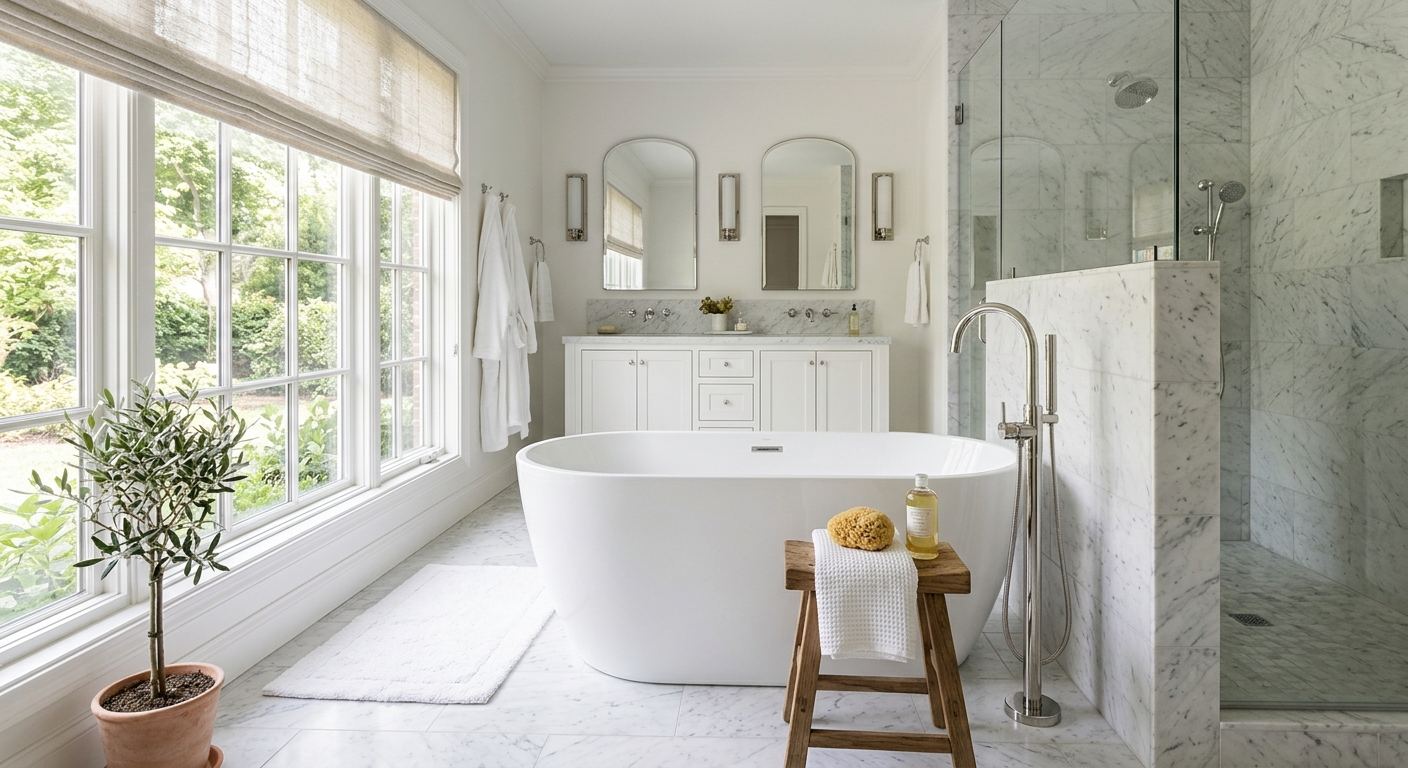
Bathroom renovation options and costs in Lucan
Bathroom reno in Lucan starts with choosing the right level of work for your home and your timeline. With a population of 2,541 (Statistics Canada, 2021 Census), Lucan may feel small, but you’re still paying GTA-influenced labour rates, and that matters most in bathrooms because they’re labour-intensive to tile, plumb, and waterproof. Also, many area homes reflect post-war and 1960s–1980s construction patterns common in the Toronto economic region, which often means dated plumbing layouts, older venting, and a higher chance of hidden material surprises once walls and floors open. In practice, that can include cast-iron or galvanized piping, and in some older floor assemblies, asbestos-containing materials—especially around dated tile and floor coverings.
Toronto-region pricing is shaped less by climate extremes and more by market conditions: skilled trades in the GTA command a premium hourly rate, and bathroom work competes for the limited crews that can handle plumbing upgrades, custom showers, and electrical tie-ins. Availability also affects turnaround times—when schedules are tight, mobilization costs can shift up. If you’re renovating near Lucan’s busier residential corridor (where trades often cluster for multi-home projects), it’s even more important to get a fixed scope and an allowance for unknowns.
Below are realistic options and budget bands you can use to compare quotes before you dial in materials and scope.
| Renovation Scope |
What's Included |
Typical Duration |
Price Range |
| Cosmetic refresh (paint, fixtures, accessories only) |
New vanity or faucet, toilet or light fixture (if staying on existing connections), fresh paint, caulking, towel bars/accessories; no wall/floor opening |
3–7 days |
$2,000–$6,000 |
| Mid-range full renovation (new tile, vanity, tub/shower, electrical) |
Remove and replace tub/shower surround or surround tile, vanity and mirror, new exhaust fan (existing location), select wall/floor tile, basic lighting updates, standard waterproofing and membrane in wet area |
2–4 weeks |
$12,000–$20,000 |
| High-end full renovation (custom tile, steam shower, heated floors) |
Custom shower or steam-ready layout, premium large-format porcelain or stone, heated floor system, upgraded waterproofing with full coverage, upgraded electrical (GFCI, fan controls), niche, linear drain options, professional trim |
4–8 weeks |
$20,000–$30,000 |
| Shower-only installation (convert tub to walk-in shower) |
Demo tub, plumbing tie-in for shower valve/drain, new waterproofing, new shower pan (tile or prefabricated), glass enclosure allowances, new grab-bar blocking if required |
2–3 weeks |
$8,000–$14,000 |
| Bathtub replacement or tub-liner install |
Swap existing tub for new unit (or tub-liner system), re-caulk and retile small areas as needed, reattach surround/trim, basic leak testing; layout stays the same |
1–3 weeks |
$1,200–$5,000 |
| Tile-only installation (floor + surround, existing layout kept) |
Tile floor and wet-area walls, surface prep, waterproofing in the tiled zone, grout/caulk refresh; vanity and fixtures stay unless a tile height change requires minor adjustments |
1–2 weeks |
$3,000–$10,000 |
Prices are estimates only and vary by project scope, site access and material selection.
What affects the price of bathroom renovation in Lucan
In Lucan and across the wider Toronto economic region, two homeowners can receive quotes for the “same” bathroom and still see a 30–50% swing. The biggest drivers aren’t the local weather swings you might expect—they’re labour rates and the age and complexity of the housing stock. In older GTA-area homes (post-war through 1960s–1980s), drains and vents may be undersized or configured for older fixtures, and supply lines can be galvanized or otherwise dated. Once walls are open, contractors often need drain reconfiguration, vent corrections, new shut-offs, or relocation of rough-ins, which moves the project from a predictable plan into an upgrade-and-repair budget.
Hidden conditions also expand scope. For example, discovery of asbestos-containing materials in dated floor tile, vinyl floor coverings, or old drywall compounds can trigger licensed abatement and add roughly $1,500–$5,000+ depending on area and containment needs. Electrical is another variable: adding a proper exhaust fan, GFCI protection, or a heated-floor circuit means licensed work and inspection sign-offs, not just “plug-and-play.”
Concrete Lucan examples that push costs up or down: keeping the existing plumbing layout typically keeps you closer to tile-only pricing such as $3,000–$10,000, while converting a tub to a walk-in shower usually requires a drain valve alignment that lands you in the higher shower installation bands around $4,000–$12,000 (and more when glass and retiling are extensive). Conversely, if your subfloor is already level and sound, you can reduce underlayment and prep labour—if it’s rotten or uneven, expect more demo, rebuild, and waterproofing prep, which nudges even “mid-range” full renos toward the top of the $12,000–$20,000 band.
| Price Factor |
Why It Matters |
Cost Impact |
| Layout change — moving drain or supply lines requires rough-in work |
Relocating plumbing adds demolition, new rough-in piping, venting checks, and inspection work. |
Often +$3,000–$8,000 |
| Tile selection — large-format porcelain vs. mosaic vs. ceramic |
Larger formats need flatter substrates; mosaics increase labour and cutting time. |
Often +$1,000–$4,000 |
| Fixture tier — builder-grade vs. mid-range vs. designer brands |
Higher-end valves, vanities, and trims cost more and may require custom fit. |
Often +$800–$6,000 |
| Subfloor condition — rot or unlevel concrete adds scope |
Rot requires rebuild; unlevel floors need extra prep and mortar leveling. |
Often +$1,000–$5,000 |
| Electrical — adding GFCI outlets, exhaust fan, heated floor circuit |
Licensed electrical increases labour and scheduling; heated floors add component and wiring cost. |
Often +$800–$4,500 |
| Waterproofing method — membrane type and extent |
Good waterproofing increases material and labour but reduces call-backs and moisture issues. |
Often +$500–$2,500 |
| Older-home surprises — asbestos tile, cast-iron drains, galvanized pipes |
Abatement, pipe replacement, and venting upgrades expand both time and cost. |
Often +$1,500–$10,000+ |
| Bathroom size — sq ft drives tile and labour time directly |
More surface area means more tile, more grout, more prep, and longer installation time. |
Often +$2,000–$9,000 |
Permits & regulations in Ontario
In Ontario, the permit picture is mostly about whether you change plumbing, electrical, or structural elements—not about whether you “renovate.” As a rule of thumb, cosmetic updates—like swapping a vanity, replacing a toilet that stays connected to the same rough-in, retiling without moving plumbing, and painting—typically don’t require a municipal permit. However, you should expect permits to be required when you:
- Relocate plumbing: moving a drain or supply line, changing the shower valve location, or converting a tub to a walk-in shower with new rough-in connections.
- Add or modify ventilation with electrical changes: installing a new exhaust fan with new wiring, adding dedicated circuits, or making electrical panel changes.
- Make structural wall changes: removing load-bearing portions, altering framing, or cutting/patching beyond simple finish work.
Electrical work must meet Ontario code and be done by (or signed off by) a licensed electrician. Plumbing rough-ins that change connections typically require permits and inspections.
For your Lucan project, verify licensing and coverage before work starts. Step-by-step: (1) ask the contractor for their Ontario trade licence number and confirmation of current status—check the relevant online registry using the business details they provide; (2) request a certificate of insurance showing liability coverage with active dates and ensure it lists your address or at least your project as covered (or provides project-specific endorsements); (3) confirm WSIB/WCB coverage (or an exemption letter if applicable) and keep documentation—request the clearance letter or proof of account status.
Choosing tile, waterproofing and fixtures for your Lucan bathroom
When budgeting your Lucan bathroom, the best results come from making three material decisions deliberately: tile type, waterproofing system, and fixture tier. First, tile choice changes both cost and installation difficulty. Ceramic is a common entry option for floors and walls, but porcelain is typically stronger, less prone to chipping, and better for high-traffic bath floors—especially when you want larger tiles. Natural stone (marble, travertine, slate) looks premium but can be more expensive in material and labour because it demands careful layout, finishing, and sealing.
Second is waterproofing. Ontario bathrooms need robust moisture control because bathrooms are humidity-heavy year-round. A simple “paint-on” membrane may be fine for some trim-only work, but a full wet-area renovation usually benefits from a bonded sheet membrane or an engineered system (including proper corner treatment and drain detailing). Doing waterproofing correctly helps prevent mould in grout lines and under finished surfaces, which is a common complaint after poorly detailed renovations.
Third is fixture tier. Builder-grade valves and trim may save upfront, but mid-range or designer brands often offer better thermostatic performance, smoother operation, and improved longevity—helpful for resale in a market where homeowners notice water pressure, valve quality, and finish alignment. For example, spending an extra $1,500–$3,000 on a higher-end shower valve, premium glass, and better tile can be justified when the alternative is redoing a failed waterproofing detail later. If your budget is tight, prioritise waterproofing and tile lippage control first, then “level up” the fixtures where you’ll see them daily.
| Material / Option |
Pros |
Cons |
Price Range |
| Ceramic tile (floor + walls) |
Good value, easy to source, variety of colours; solid for walls. |
Less forgiving for impact than porcelain; may require careful selection for floor rating. |
$3,000–$7,000 |
| Porcelain tile (floor + walls) |
Durable, lower absorption, works well for larger formats and modern looks. |
Can be pricier per tile and needs flatter substrate for best results. |
$5,000–$10,000 |
| Natural stone (marble, travertine, slate) |
Luxury look and depth; great for feature walls and upscale baths. |
More labour-intensive; sealing and maintenance; tile variations require careful layout. |
$8,000–$16,000 |
| Frameless glass shower enclosure |
Premium appearance; visually opens the bathroom; often easier to wipe clean. |
Higher material and install cost; needs accurate framing and waterproof detailing. |
$4,000–$12,000 |
| Prefab tub surround (acrylic) |
Fast install, lower labour time, consistent finishing. |
Less “custom” look; limited aesthetic choices vs full tile; detail work still needed at seams. |
$1,200–$3,500 |
| Custom shower pan (tile or linear drain) |
Modern drainage option; best look and flexibility when tiled properly. |
More labour and waterproofing time; substrate prep must be excellent. |
$6,000–$14,000 |
How to choose a bathroom renovation contractor in Lucan
Choosing the right contractor in Lucan is less about flashy photos and more about confirming credentials, getting itemised pricing, and making sure the scope includes the trades your reno actually needs. Start by verifying Ontario licensing: ask for their trade licence details and keep a copy of what they provide. Next, confirm liability insurance—get a current certificate of insurance and ensure it’s active for the project dates. Then check WSIB/WCB coverage: request their clearance letter or proof of coverage status so you’re not exposed if a worker is injured on your property.
For budgeting accuracy, request 2–3 itemised written quotes. You want labour and materials broken down, including tile and waterproofing allowances, electrical scope, plumbing rough-in changes (if any), demolition, disposal, and any permit handling. Avoid lump sums that don’t explain what “standard” means.
Read scope carefully for exclusions: is disposal included? Are permits included and who pulls them? If asbestos-containing materials are discovered, is abatement included or treated as a separate line item? Make sure the workmanship warranty is in writing (length, what it covers, and how to file a claim). Also confirm product warranties for fixtures and waterproofing-related components—are warranties transferable to the homeowner?
Payment scheduling should protect you: never pay more than 10–15% upfront, and hold back a portion until the job is complete and all deficiencies are corrected. Finally, insist on a start date and a completion estimate in writing so you can plan around availability and lead times.
- Verify Ontario trade licence status and keep the licence number on file.
- Request a certificate of liability insurance (active dates) before signing.
- Confirm WSIB/WCB coverage via clearance letter/proof, not just verbal assurances.
- Get 2–3 quotes that are itemised (labour, materials, allowances, disposal, permits).
- Ask what’s included in waterproofing (membrane type, extent, and details around drains and corners).
- Confirm electrical scope: GFCI, exhaust fan, heated floors circuit (if applicable).
- Check plumbing scope: venting/drain upgrades if rough-ins are dated or relocated.
- Review the tile plan: layout, tile type, grout choices, and whether substrate prep is included.
- Confirm glass enclosure and plumbing/valve rough-in compatibility (especially with custom pans).
- Ask about lead times for fixtures and specialty items; get a realistic schedule.
- Ensure a written workmanship warranty and clear coverage/claim process.
- Use a payment schedule that limits upfront to 10–15% and includes a completion holdback.
Red flags to watch for in Lucan: vague “allowances” with no amounts, no proof of WSIB/WCB or liability coverage, quotes that don’t specify waterproofing details, aggressive upfront payments, and a contract that excludes permit pulling or disposal without clarification.
Frequently asked questions — bathroom renovation in Lucan
Do I need a permit for a bathroom renovation in Ontario?
In Ontario, many cosmetic bathroom updates don’t require a permit, especially if you’re not changing plumbing rough-ins or electrical circuits. If you’re only replacing a vanity or fixtures on existing connections and doing retiling without moving drain/supply locations, permits are often not triggered. Permits are more likely required when you relocate plumbing (like changing where the shower drain or valve sits), add a new exhaust fan with new wiring, or make structural changes to framing or load-bearing walls. In Lucan and the Toronto region, older housing stock often means contractors end up upgrading vents/drains once walls open, which is exactly the kind of work that commonly needs permits and inspections. Always confirm in writing with your contractor before starting.
What's the best tile for a bathroom in Lucan?
“Best” usually means the best balance of durability, slip safety, and long-term maintenance for your layout. For most Lucan bathrooms, porcelain tile is a strong choice because it’s durable and typically more resistant to moisture absorption than standard ceramic. Ceramic can work well for walls and some floors if you choose the correct floor rating and finish. Natural stone (like travertine or slate) looks high-end but costs more in material and labour and requires sealing and careful cleaning to keep it looking right. If you’re budgeting, a practical target for tile-only work is often in the $3,000–$10,000 range, but the selection can swing upward when you add large-format tile and more extensive substrate prep.
Should I do a tub-to-shower conversion?
Converting a tub to a walk-in shower is a common upgrade in Lucan because it improves accessibility and can modernize the look quickly. That said, it’s usually not a “simple swap” because the contractor must align the shower drain, waterproof the wet area properly, and tie into the existing plumbing—sometimes with drain/vent corrections in older homes. Because you’re doing shower installation work plus detailed waterproofing, budgets often land higher than a cosmetic refresh. Many conversions fall within the local shower installation range of $4,000–$12,000, and they can rise if you add glass, a linear drain, or if plumbing upgrades are needed. If your goal is resale and daily comfort, it’s often worth it.
How do I prevent mold in a Lucan bathroom?
Mould prevention comes down to moisture control and detail-proof waterproofing. In Ontario, bathrooms hold humidity because showers and baths produce a lot of moisture in a short time; if ventilation is weak or waterproofing details are sloppy, mould can appear in grout lines and around edges. The biggest protective steps are: use a complete waterproofing system in the shower zone (not just “paint on” coverage), ensure corners and transitions are properly treated, and pick appropriate grout/caulk meant for wet areas. Also, install a properly sized exhaust fan vented to the exterior, and make sure electrical work is up to code. If you have older dated tile assemblies, confirm whether removal risks reveal hidden surprises (like older materials) that must be handled properly during demolition and disposal.
What adds the most resale value in a bathroom reno?
Resale value usually tracks with perceived quality and functional upgrades. In Lucan, homeowners tend to notice three things: the shower and waterproofing quality, modern and easy-to-clean finishes, and reliable plumbing/electrical that won’t create call-backs. A mid-range full renovation is commonly budgeted in the $12,000–$20,000 band and often provides the best “value-per-improvement” when it includes new tile, an upgraded vanity, and ventilation/electrical corrections. Adding heated floors or a more custom shower can push budgets toward the upper end (up to $20,000–$30,000) and may appeal to buyers who value comfort and luxury. The key for resale isn’t just spending—it’s ensuring everything is installed correctly and looks cohesive.
Can I keep my existing plumbing layout to save money?
Yes—keeping your existing plumbing layout is one of the best ways to reduce risk and cost in Ontario. When you don’t move the drain or supply lines, you avoid a lot of rough-in demolition, venting checks, and inspection overhead that can add several thousand dollars in older Toronto-region homes. That’s why renovations that stay “layout-neutral” often sit closer to tile-focused budgets like $3,000–$10,000 for tile-only work or a mid-range full refresh for $12,000–$20,000 when you’re swapping the vanity and upgrading key finishes. If you’re converting a tub to a shower, you’re still changing the shower drain arrangement, so you’ll likely need more plumbing work. The practical approach: keep plumbing where possible, upgrade waterproofing and ventilation, and let the contractor open walls only as far as necessary to confirm what’s behind them.