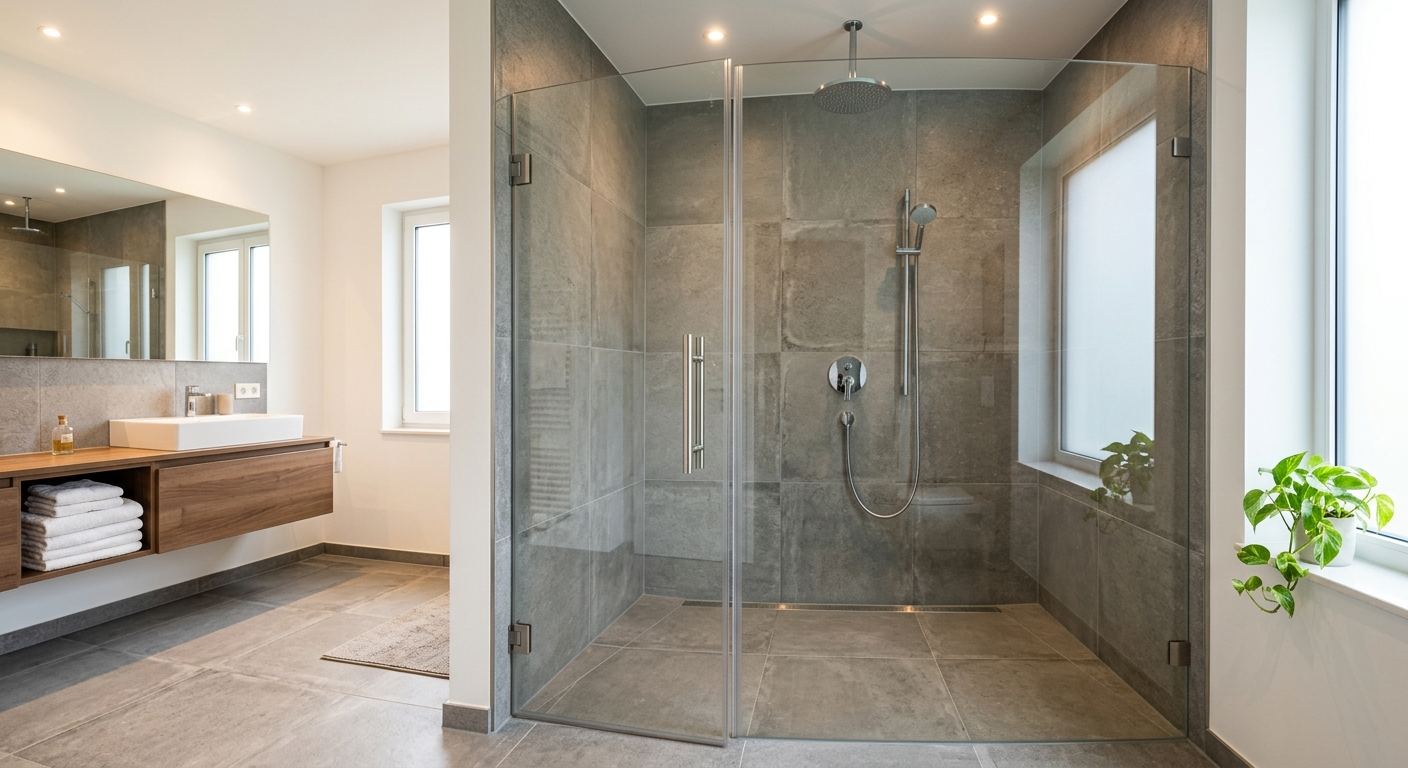
Bathroom renovation options and costs in St. Thomas
St. Thomas homeowners typically choose a renovation path based on how dated the space is, not just how it looks. With 57.7% of local homes built before 1981 (Statistics Canada, 2021 Census), many bathrooms start with older plumbing layouts, dated venting, and finishes that don’t hold up as well once walls and floors open. That matters for cost because London-area renos are driven more by local labour rates, the condition of the existing bathroom, and what contractors uncover behind tile and drywall than by climate alone. While the region’s winters are cold and the housing stock is older (57.7% pre-1981), the bigger cost swing comes from hidden issues—think cast-iron or copper drain sections, galvanized supply lines, and ventilation upgrades that become obvious mid-demolition.
In neighbourhoods with a lot of established housing, trade demand is steady—Glen Cairn, for example, often sees faster scheduling for plumbers, tilers, and electricians because multiple homes are renovated around the same time. If your bathroom is in that “opens-up-and-lets-us-fix-the-system” category, you can expect a shift from a low-to-mid five-figure estimate into the higher band once waterproofing, substrate repair, and disposal are priced in. If you’re doing a like-for-like refresh, you usually stay closer to the lower end.
Below is a practical range of options used in the London, Ontario region, from cosmetic-only work to full gut renovations. Use it as a benchmark before you compare itemised quotes.
| Renovation Scope |
What's Included |
Typical Duration |
Price Range |
| Cosmetic refresh (paint, fixtures, accessories only) |
Fresh paint, vanity light swap, taps/handles refresh, toilet/vanity accessories only, caulking, basic deep clean; no plumbing moves; no tile replacement |
1–3 weeks |
$3,000–$6,000 |
| Mid-range full renovation (new tile, vanity, tub/shower, electrical) |
Demolition and disposal, new vanity and mirror, tub or surround replacement, tile floor and surround, exhaust fan upgrade, GFCI as needed, waterproofing and substrate repairs |
3–6 weeks |
$14,000–$22,000 |
| High-end full renovation (custom tile, steam shower, heated floors) |
Full gut to rough framing (as required), custom tile layout, premium valves/fixtures, steam-ready shower system, heated floor wiring and controls, upgraded ventilation, enhanced waterproofing |
6–10 weeks |
$22,000–$30,000 |
| Shower-only installation (convert tub to walk-in shower) |
Remove tub, build tiled shower pan or system pan, new valve and trim (no major layout move), glass enclosure, new waterproofing, tile floor adjustments, exhaust fan check |
2–5 weeks |
$9,000–$18,000 |
| Bathtub replacement or tub-liner install |
Swap tub with new acrylic unit (or liner where suitable), plumbing connection adjustments, new caulking and trim, surround refresh if needed, disposal |
1–3 weeks |
$1,500–$6,000 |
| Tile-only installation (floor + surround, existing layout kept) |
Remove damaged tile, prep and backer work, install new floor tile and wall surround, waterproofing, grout and silicone finishes; keep plumbing where it is |
2–4 weeks |
$5,000–$14,000 |
Prices are estimates only and vary by project scope, site access and material selection.
What affects the price of bathroom renovation in St. Thomas
In St. Thomas and the broader London, Ontario market, two quotes for the “same” bathroom can differ by 30–50% because the real scope is often uncovered during demo. Labour rates, scheduling availability, and the condition of the existing substrate usually account for more of the variance than any climate effect. Here, older housing stock is the key driver: with 57.7% of homes built before 1981 (Statistics Canada, 2021 Census), contractors frequently encounter outdated venting, older drains, and supply line runs that need upgrading once walls are opened. That’s why a “simple” mid-range renovation that starts near the low-to-mid five-figure range can move into the higher end of the $14,000–$30,000 band when waterproofing prep and plumbing adjustments are required.
Older Ontario homes in the London region also tend to have hidden surprises such as asbestos-containing materials (most often in older vinyl floor tile or older drywall compounds) and knob-and-tube wiring in some situations. When asbestos is discovered, the contractor may need to coordinate abatement, which commonly adds $1,500–$5,000+ depending on what’s found and how much area is affected. At the same time, many bathrooms need ventilation improvements; poor airflow in winter and shoulder seasons increases condensation risk, so contractors often recommend upgrading the exhaust fan ducting and sealing.
Concrete examples from St. Thomas: if you keep your drain location, you can often stay closer to the lower $14,000–$22,000 mid-range renovation range. If you relocate the shower head, move the toilet flange, or change the valve position, the budget shifts upward because rough-in access and rework become unavoidable. If your subfloor is soft or unlevel (common in older homes), tile needs extra prep, which affects both labour time and materials, pushing the tile-only work toward the upper end of typical tile ranges.
| Price Factor |
Why It Matters |
Cost Impact |
| Layout change — moving drain or supply lines requires rough-in work |
New plumbing rough-in means opening walls/floors, patching framing, and re-testing |
+$2,000–$8,000 |
| Tile selection — large-format porcelain vs. mosaic vs. ceramic |
Harder materials require better substrate prep, specific thinset, and more careful installation |
+$1,000–$6,000 |
| Fixture tier — builder-grade vs. mid-range vs. designer brands |
Valves, trim, and toilets differ in components and installation requirements |
+$500–$5,000 |
| Subfloor condition — rot or unlevel concrete adds scope |
Requires additional backer board, patching, or structural repairs before tile can be installed |
+$1,000–$5,000 |
| Electrical — adding GFCI outlets, exhaust fan, heated floor circuit |
Licensed electrical work, new wiring routes, and added components |
+$800–$4,500 |
| Waterproofing method — membrane type and extent |
Better systems cost more but reduce failure risk and mould callbacks |
+$600–$3,000 |
| Older-home surprises — asbestos tile, cast-iron drains, galvanized pipes |
Discovery delays work and adds safety/abatement or pipe replacement |
+$1,500–$10,000+ |
| Bathroom size — sq ft drives tile and labour time directly |
Larger areas mean more tile, more waterproofing, more mortar and more hours |
+$1,000–$6,000 |
Permits & regulations in Ontario
In Ontario, many bathroom updates are considered cosmetic and typically do not require a permit—swapping fixtures (tap trims, showerheads), replacing a vanity, repainting, installing accessories, and retiling when you keep plumbing locations the same usually fall into that category. However, permits are commonly required when you change the “plumbing footprint” (moving a drain or supply line), add or relocate plumbing valves, or make certain structural changes to walls and floors. Similarly, electrical work must meet Ontario code requirements and must be completed by a licensed electrician; work such as adding a new GFCI outlet, upgrading the exhaust fan wiring, or installing heated floor circuits generally involves permit-driven inspection depending on how the work is scoped.
For homeowners in St. Thomas, the best approach is step-by-step verification before you sign: (1) ask for the contractor’s Ontario trade licence number (and verify it through the appropriate online registry), (2) request a certificate of insurance showing liability coverage and confirm it’s current, and (3) confirm WSIB/WCB coverage for the workers who will be on your site. Next, require the contractor to clearly state who is pulling permits (if needed) and whether inspections are included in the quoted scope.
Finally, verify that the contractor provides a clearance letter or documentation where applicable, and make sure your quote includes how disposal and site protection will be handled during permitted work.
Choosing tile, waterproofing and fixtures for your St. Thomas bathroom
When you’re planning a bathroom renovation in St. Thomas, three material decisions usually determine both budget and long-term performance: tile choice, waterproofing system, and fixture tier. In Ontario’s humid heating season and freeze-thaw cycle, bathrooms can trap moisture behind tile edges—so the “cheapest” option on paper can fail faster if the waterproofing and substrate prep are under-scoped.
First, tile choice: ceramic is a good entry point, but porcelain typically handles wet areas and cleaning better and is more forgiving in high-traffic bathrooms. Natural stone (marble, travertine, slate) can look luxurious, but it’s more sensitive to sealing requirements and can increase installation labour because of layout planning and finish calibration. Second, waterproofing: paint-on membranes can work for some details, but bonded sheet membranes or a complete system (including compatible corners/bridging) usually offer better assurance in shower environments. A properly installed schluter-type system (when used as part of a complete compatible build) helps prevent mould by controlling water paths. Third, fixture tier: builder-grade fixtures save money upfront, mid-range often improves valve control and longevity, and designer brands can raise resale appeal—especially when combined with a clean layout and quality shower valves.
Local market reality: if your goal is to stay in the mid-range $14,000–$22,000 zone, you can justify porcelain tile and a stronger waterproofing system while keeping fixture trims mid-range. If you want to jump toward the upper $22,000–$30,000 band, the extra dollars often make sense for heated floors or a premium steam-ready shower—however, paying for natural stone without upgrading waterproofing is rarely the right value trade-off in an older St. Thomas home.
Example: upgrading from ceramic to porcelain floor and surround is often a mid-hundreds-to-low-thousands increase, but pairing that with a full shower waterproofing system can protect the investment by reducing the risk of leaks and rework—one of the most expensive “savings mistakes” in Ontario renos.
| Material / Option |
Pros |
Cons |
Price Range |
| Ceramic tile (floor + walls) |
Lower material cost, wide style selection, good for budget-friendly updates |
Not as hard as porcelain; may need more careful selection for wet zones |
$5,000–$9,000 |
| Porcelain tile (floor + walls) |
Higher durability, better moisture performance, typically easier maintenance |
Can be pricier; needs correct subfloor prep for large-format sheets |
$7,000–$13,000 |
| Natural stone (marble, travertine, slate) |
Premium look and feel; strong resale appeal when used thoughtfully |
Requires sealing/maintenance; more complex install and layout |
$10,000–$18,000 |
| Frameless glass shower enclosure |
Brightens the space, modern appearance, easy to clean |
Higher material cost; needs accurate measurements and solid framing |
$2,500–$6,000 |
| Prefab tub surround (acrylic) |
Fast install, good water resistance when properly sealed, lower risk for quick timelines |
Fewer custom design options; may not match premium tile aesthetics |
$1,200–$3,500 |
| Custom shower pan (tile or linear drain) |
Modern look with linear drain option; can improve slope and water control |
More labour and careful waterproofing detailing; higher cost |
$3,000–$9,000 |
How to choose a bathroom renovation contractor in St. Thomas
Choosing the right contractor in St. Thomas starts with verifying the basics: Ontario trade licensing (for the trades involved), liability insurance, and WSIB/WCB coverage for workers on your site. Ask for their licence number and proof of insurance before they begin; you should be able to receive a current certificate of insurance and a WSIB/WCB clearance or account verification. If they can’t provide paperwork promptly, that’s a risk sign—especially in older London-area homes where plumbing, electrical, and demolition surprises can add scope quickly.
Next, get 2–3 itemised written quotes. “Itemised” matters: labour hours, demolition/disposal, waterproofing method, tile backer/substrate, electrical work (including GFCI and exhaust fan details), and plumbing rough-in scope should be spelled out. Confirm whether permits are included and who is responsible for pulling them. Don’t accept vague inclusions like “standard waterproofing” if you’re investing in a full shower system—ask what membrane is used and what areas are covered.
Warranty should be specific: workmanship warranty length, whether it covers waterproofing and leaks, and whether product warranties apply directly to you (and if they’re transferable). For payment, never pay more than 10–15% upfront; hold back until key milestones are complete (waterproofing completion, inspections passed, and final finish done). Finally, require a written start date and completion estimate, plus a process for change orders if hidden issues are discovered.
- Ask for an Ontario trade licence number and confirm it matches the work scope
- Request a current certificate of liability insurance before demo begins
- Verify WSIB/WCB coverage (or clearance letter) for site workers
- Get itemised quotes (labour + materials + disposal + waterproofing)
- Confirm permits: which permit type, who pulls it, and inspection responsibility
- Check exclusions: what’s not included (subfloor repair, venting changes, plumbing upgrades)
- Require a written start date and a realistic completion timeline
- Ask what waterproofing system is used (membrane type and coverage areas)
- Confirm tile installation method (substrate preparation and backer choice)
- Review warranty details in writing (workmanship + product + transferability)
- Set a payment schedule with milestones; keep a holdback until completion
- Ask how they handle asbestos/older-home surprises if discovered during demo
Red flags I watch for in St. Thomas bathroom renos: (1) quotes that only show a lump sum with no breakdown of waterproofing, electrical, or substrate prep; (2) no proof of WSIB/WCB or insurance; (3) “we don’t need permits” responses when moving drains/supplies or adding exhaust fan circuits; (4) vague timelines with no start/completion dates; and (5) pushy payment requests (large upfront deposits) or refusal to hold back until waterproofing and final work are complete.
Frequently asked questions — bathroom renovation in St. Thomas
Can I keep my existing plumbing layout to save money?
Yes—keeping your plumbing layout is one of the most reliable ways to control cost in St. Thomas. When you don’t move the drain or supply lines, you typically reduce the amount of wall/floor opening, rough-in labour, and re-patching, which is where older London-area homes often add surprises. It also helps contractors stay closer to the lower end of the typical full-reno band (around $14,000–$22,000 for a mid-range full renovation scope). If your budget is tight, focus your spend on tile, vanity, ventilation, and waterproofing details rather than relocating fixtures. Just be sure you get a detailed scope that confirms what plumbing checks/upgrades are included (venting, flange condition, shutoffs), because older supply/drain conditions can still require work even when the locations stay the same.
How much does a walk-in shower cost in St. Thomas?
A walk-in shower cost in St. Thomas depends on whether you’re converting from a tub (most common) and what finishes you choose. In the London region, a shower-only conversion typically lands in the mid-to-upper ranges of the local pricing bands—commonly around $9,000–$18,000 for a tiled walk-in with enclosure allowance, waterproofing, and the necessary plumbing connections. If you keep the valve position and drain location, costs are usually steadier. If the project involves moving drains or adding a linear drain with a fully custom pan, the budget can trend upward toward the upper half of that band. In older homes built before 1981 (Statistics Canada, 2021 Census), expect that plumbing and venting checks may affect the final number, even when the layout is “only a shower conversion.”
What's the ROI on a bathroom renovation?
Bathroom renovations can improve day-to-day comfort, but ROI depends on the type of update and what the buyers in your area will pay for. In St. Thomas, homeowners often have older housing stock—57.7% built before 1981 (Statistics Canada, 2021 Census)—so a modern, properly waterproofed bathroom can stand out during resale. That said, the strongest ROI usually comes from functional upgrades (better ventilation, reliable plumbing connections, correct waterproofing) rather than purely cosmetic changes. If you’re choosing between options, prioritize a full mid-range renovation around $14,000–$22,000 with quality waterproofing and durable tile over high-cost upgrades that add complexity without addressing underlying moisture or plumbing issues. Also, keep your layout practical and avoid major reconfigurations unless the changes are genuinely needed—you don’t want extra demolition costs reducing your net return.
Do I need waterproofing behind the tile?
For a bathroom shower (and generally for wet wall areas), waterproofing behind the tile is strongly recommended and commonly treated as non-negotiable in good Ontario practice. In St. Thomas, the issue isn’t “weather damage” like coastal regions—it’s condensation and water exposure from everyday use, especially in older homes where existing ventilation may be weak. A proper waterproofing system helps prevent water migration into framing and reduces mould risk. Many renovation plans in the London region combine membrane waterproofing with the correct substrate and seam detailing at corners and transitions. If your contractor proposes only grout/caulk as “waterproofing,” push back. Ask what membrane type they use (paint-on, bonded sheet, or a compatible system approach) and where it is applied. Budget-wise, waterproofing may be a few hundred to a few thousand dollars, but it’s typically cheaper than fixing hidden leaks later.
How do I compare bathroom renovation quotes?
To compare quotes in St. Thomas fairly, you need side-by-side scope clarity—not just bottom-line totals. Start by asking each contractor for an itemised breakdown: demo and disposal, waterproofing method and coverage, tile substrate prep, electrical scope (GFCI, exhaust fan circuit, lighting), and plumbing work (including any venting or drain upgrades if discovered). Confirm whether permits are included and who pulls them. Compare timelines, warranty terms, and what’s excluded (for example: subfloor repair, asbestos abatement if encountered, or additional electrical corrections). If one quote lands near $14,000–$22,000 and another near $22,000–$30,000, the difference should be explained in actual included work, not just “better finishes.” Finally, verify they’re licensed/insured and have WSIB/WCB coverage before you commit.
Can I live at home during a bathroom renovation in St. Thomas?
Often, yes—many St. Thomas homeowners do remain in their home, especially for shorter scopes like a cosmetic refresh or a tub-to-shower conversion. That said, living at home depends on access, the bathroom layout, and how long demolition and waterproofing take. During a full renovation, it’s common to lose the use of the bathroom for periods while tile and waterproofing cure, fixtures are installed, and inspections are completed. If your kitchen or another bathroom can serve as backup, you’ll typically find it more manageable. Plan for dust control and site protection, and confirm with the contractor where waste and materials will be stored. If you’re working within a full renovation budget around $14,000–$30,000, make sure the contractor provides a written timeline for when you’ll regain shower/tub access. For older homes built before 1981 (Statistics Canada, 2021 Census), hidden issues can also extend downtime—so ask how they handle delays and what contingency plan they use.