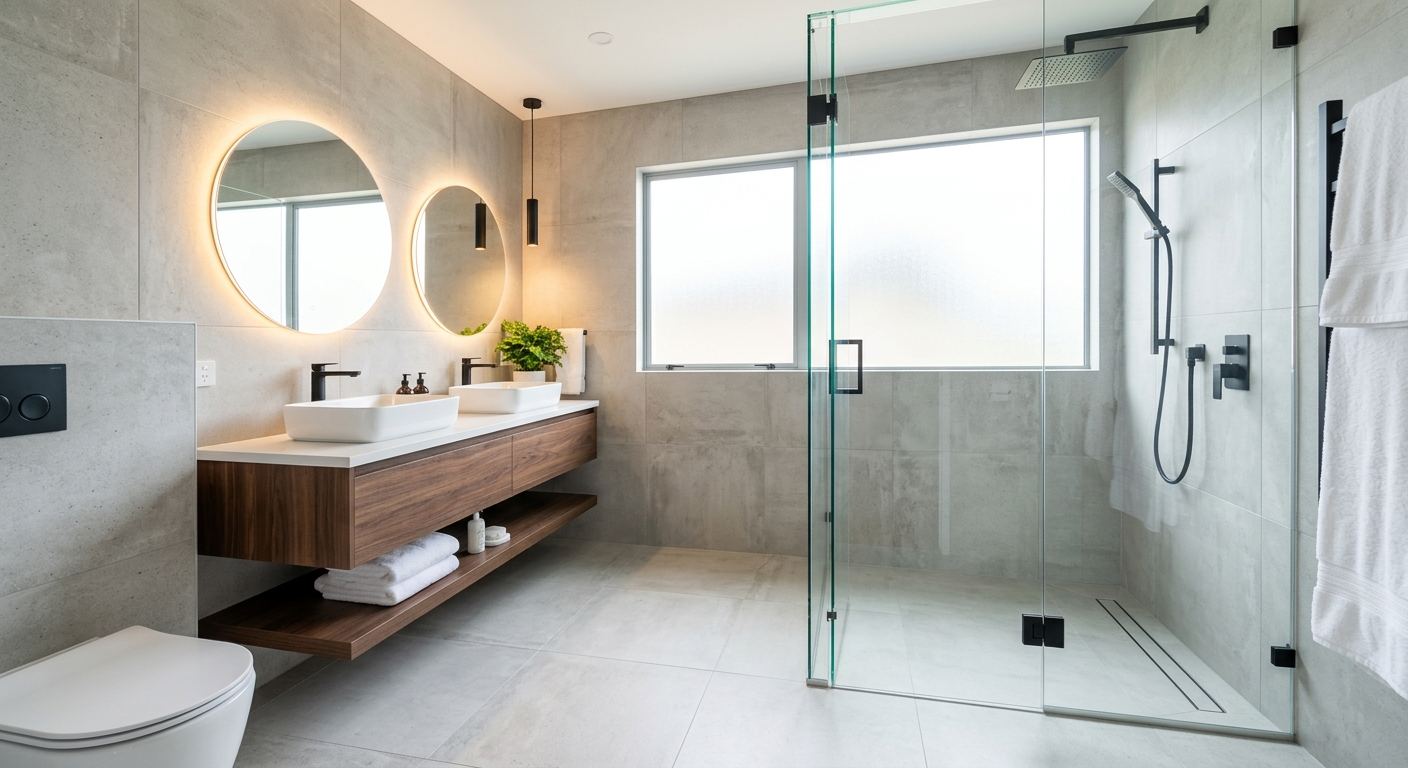
Bathroom renovation options and costs in Rockland
Renovating a bathroom in Rockland is a common project in the Lower Mainland–Southwest, especially as homeowners modernize homes built decades ago. With a Rockland population of 3,740 (Statistics Canada, 2021 Census), the local contractor pool is steady, but demand can spike when multiple trades are booked for nearby projects. In much of this region, older mid‑century housing stock means dated plumbing layouts are more common, and it’s not unusual to uncover cast-iron drain sections, older copper supply lines, or materials that may require careful handling once walls and floors are opened. That’s why the same “bathroom refresh” can look very different once demolition starts.
In the Lower Mainland–Southwest, costs are driven more by regional labour rates and the age of the home than by outdoor weather. While British Columbia is generally humid and bathrooms stay wet for longer, the bigger budget swings come from the labour-intensive nature of bathrooms: plumbing rough-in, electrical for GFCI and ventilation, and meticulous waterproofing and tiling. Metro Vancouver–area demand also affects availability of skilled plumbers, tilers, and electricians, so scheduling and minimum job sizes can influence your final quote. In Rockland, trades are especially busy in the older residential pockets along the West side where many homes have similar layouts and frequent “open-up” surprises once subfloors are exposed.
Below are realistic price bands you can use when comparing options, before you choose materials and decide how much plumbing or electrical work to include.
| Renovation Scope |
What's Included |
Typical Duration |
Price Range |
| Cosmetic refresh (paint, fixtures, accessories only) |
Paint, vanity swap (no plumbing move), faucet/trim replacement, toilet accessory changes, lighting refresh, caulking and deep clean |
3–7 days |
$5,000 – $14,000 |
| Mid-range full renovation (new tile, vanity, tub/shower, electrical) |
Demo and rebuild; floor and wall tile; new vanity and mirror; tub/shower re-tiling or replacement; exhaust fan upgrade; GFCI upgrades; basic waterproofing and new trim |
2–3 weeks |
$18,000 – $30,500 |
| High-end full renovation (custom tile, steam shower, heated floors) |
Custom layout; premium waterproofing system; heated floors; high-end fixtures; frameless glass; steam shower (if feasible); upgraded venting and dedicated electrical circuits |
3–5 weeks |
$30,000 – $45,000 |
| Shower-only installation (convert tub to walk-in shower) |
Tear out tub; waterproof shower base; tile shower walls and floor; install glass door/enclosure; relocate drain only if required; exhaust fan and lighting checks |
2–3 weeks |
$14,000 – $25,000 |
| Bathtub replacement or tub-liner install |
Remove and install new tub, or install a tub-liner system; new valve trim; sealing and caulking; basic surround touch-ups (full re-tile varies by option) |
1–2 weeks |
$1,500 – $6,000 |
| Tile-only installation (floor + surround, existing layout kept) |
Remove existing tile (scope varies); prep and level surfaces; install new floor and wall tile; grout/seal; waterproofing included depending on condition |
1–2 weeks |
$2,000 – $8,000 |
Prices are estimates only and vary by project scope, site access and material selection.
What affects the price of bathroom renovation in Rockland
Even when you’re comparing the “same bathroom,” it’s common to see quote differences of 30–50% in the Lower Mainland–Southwest versus other parts of British Columbia. The main reason isn’t climate—it’s that bathroom renovations are trade-dense and labour-heavy, and local labour rates are higher where construction demand is strong. In Rockland and nearby Lower Mainland communities, once a contractor opens walls and floors, the project often expands to include plumbing and venting upgrades to meet current BC requirements, which adds both labour hours and inspection coordination.
Housing age is another major driver. In many pre‑1980 homes in this region, you can encounter cast-iron or older drain stacks, galvanized or aging supply lines, and sometimes wiring that doesn’t match modern bathroom electrical needs. When these issues appear, contractors must add scope and additional trades. For example, discovery of asbestos-containing materials (commonly in some older floor tile or drywall compound from earlier eras) can trigger abatement protocols and add budget—often in the range of $1,500–$5,000+ depending on what’s impacted and how much containment is required.
Here are a few concrete Rockland realities that push costs up or down. If you keep the existing tub footprint and drain location, you can often stay closer to the mid-range full renovation band of $18,000 – $30,500. If you convert to a walk-in shower and move drains or adjust venting, the project typically moves toward $14,000 – $25,000 for shower-only installs because rough-in and waterproofing become more intensive. Similarly, better subfloor prep (repairing rot or correcting out-of-level surfaces) may add labour, but it prevents tile failures later. Tile choices also matter—large-format porcelain can be efficient on walls but demands flatter substrates.
| Price Factor |
Why It Matters |
Cost Impact |
| Layout change — moving drain or supply lines requires rough-in work |
New piping runs, trap/vent coordination, and wall openings increase labour and inspection needs |
Often increases budget significantly (major swing factor) |
| Tile selection — large-format porcelain vs. mosaic vs. ceramic |
Harder materials require specific tools, more setting time, and higher skill; mosaics can increase labour |
Can add several thousand dollars depending on complexity |
| Fixture tier — builder-grade vs. mid-range vs. designer brands |
Premium valves, toilets, vanities and trims cost more and sometimes require different installs |
Usually moderate to high impact on total |
| Subfloor condition — rot or unlevel concrete adds scope |
Tile and waterproofing fail faster on unstable substrates; repairs and leveling are required |
Common “hidden cost” that can add 10–25%+ |
| Electrical — adding GFCI outlets, exhaust fan, heated floor circuit |
Bathroom power rules, ventilation duct routing, and proper circuit protection affect scope |
Can add meaningful labour and permit/inspection coordination |
| Waterproofing method — membrane type and extent |
Thicker systems and more coverage are more labour, but reduce moisture risk in humid BC conditions |
Typically adds cost up front for long-term reliability |
| Older-home surprises — asbestos tile, cast-iron drains, galvanized pipes |
Discovery triggers specialized remediation, pipe upgrades, and additional trades |
Can add $1,500–$5,000+ (and more for larger removals) |
| Bathroom size — sq ft drives tile and labour time directly |
More square footage means more waterproofing, setting time, and materials |
Direct proportional cost driver |
Permits & regulations in British Columbia
In British Columbia, many “cosmetic-only” bathroom updates typically do not require permits—swapping a vanity, replacing fixtures, repainting, or redoing tile while keeping plumbing locations the same is usually handled as a renovation without new plumbing/electrical work. However, permits are commonly required when you relocate plumbing (moving a drain or supply line), add or change ventilation that involves new electrical circuits, or make structural changes (such as removing load-bearing framing or altering walls in a way that affects structure). If you’re adding a new exhaust fan with ducting or changing its power supply, that electrical scope must meet code and be performed and/or signed off by a licensed electrician.
Plumbing rough-in changes—like adjusting a drain route, replacing a cast-iron section, or changing valve locations—generally require permit and inspection so the work is verified before walls are closed. Because bathroom trades interact in a tight space, it’s worth planning inspections early so your schedule doesn’t stall.
For homeowners in Rockland, you can verify a contractor’s British Columbia licence and coverage step-by-step: (1) ask for the licence number and check the provincial online registry for the relevant trade; (2) request a current certificate of insurance—confirm general liability is active and ask if it lists you as an additional insured where appropriate; (3) obtain proof of workers’ compensation coverage (WCB/WorkSafe BC) so you’re protected if a worker is injured; and (4) keep a copy of their clearance letter or confirmation of coverage. Don’t rely on verbal assurances—use the documents.
Choosing tile, waterproofing and fixtures for your Rockland bathroom
In Rockland bathrooms, your biggest long-term cost control comes from making the right three material decisions: tile choice, waterproofing method, and fixture tier. First, tile: entry-level ceramic can be a good fit when your layout is straightforward and you’re managing a tighter budget, but it’s less forgiving if substrates aren’t perfectly flat. Mid-range porcelain usually performs better under daily moisture exposure and is available in formats that can reduce grout lines, which helps keep cleaning manageable. Natural stone (marble, travertine, slate) looks premium, but it can require extra detailing, sealing and careful installation.
Second, waterproofing: British Columbia’s bathroom humidity cycles demand a complete, correctly detailed system. A paint-on membrane can work for some conditions, but bonded sheet membranes or a tested system (including appropriate corners and transitions) typically deliver more consistent results across shower floors and wet walls. If you’re planning a steam shower or a linear drain, it’s especially important to use a proven membrane approach with compatible drains and profiles.
Third, fixtures: builder-grade options can look fine at first, but mid-range or designer brands often reduce headaches with smoother valves, better finishes and more reliable cartridge performance. The budget difference is sometimes justified. For example, upgrading from a basic tub surround to a properly waterproofed tile conversion and mid-range shower trim may cost more up front—moving you toward the $18,000 – $30,500 mid-range band—but it can prevent rework caused by early grout or seal failures in a humid, high-use bathroom.
| Material / Option |
Pros |
Cons |
Price Range |
| Ceramic tile (floor + walls) |
Often best value; wide colour/style selection; straightforward to match with common vanities |
Can show imperfections on uneven substrates; may be less moisture-tolerant than porcelain depending on selection |
$2,500 – $6,500 |
| Porcelain tile (floor + walls) |
Denser and more consistent; better long-term stain resistance; great for humid bathrooms; modern large-format options |
Heavier tile can increase labour and substrate prep requirements |
$4,000 – $9,000 |
| Natural stone (marble, travertine, slate) |
Luxury look and depth; strong resale appeal; unique patterns |
Requires sealing/maintenance; installation is slower and needs extra detailing |
$6,000 – $14,000 |
| Frameless glass shower enclosure |
Modern, clean lines; visually brightens a small bathroom; durable glazing when installed correctly |
More precise measurements required; may be harder to retrofit if walls are out of square |
$1,800 – $5,500 |
| Prefab tub surround (acrylic) |
Fast installation; fewer tile-setting hours; easy to maintain if sealed properly |
Limited custom look compared with full tile; seams and edges must be detailed carefully |
$1,200 – $3,000 |
| Custom shower pan (tile or linear drain) |
Best for truly custom layouts; excellent drainage when detailed correctly; ideal for accessible/modern designs |
More labour and waterproofing coordination; needs meticulous slope and transition detailing |
$3,000 – $10,000 |
How to choose a bathroom renovation contractor in Rockland
Choosing the right contractor in Rockland is mainly about proof and clarity. Start by verifying British Columbia trade licensing (ask for the licence number and trade class), then confirm liability insurance—request a certificate of insurance and ensure it’s current. Next, confirm workers’ compensation coverage with proof from WorkSafe BC (WCB/clearance confirmation). If a contractor can’t provide documentation quickly, that’s a sign you’ll be exposed if something goes wrong.
Then request 2–3 itemised written quotes, not just a lump sum. Your quote should separate labour and materials, include line items for demolition, waterproofing, tile setting, electrical/plumbing rough-in, and disposal. Confirm whether permits are included (permit pulling and inspection coordination), and what’s excluded—like subfloor repairs, asbestos testing/abatement, or replacing damaged framing. A good scope also states how the work will protect your home (dust control, plastic containment, and floor protection).
Warranty matters: ask for the workmanship warranty length in writing, whether it’s transferable if you sell, and what’s covered for the waterproofing and tiling. Product/manufacturer warranties apply to fixtures, but workmanship warranties protect installation. For payment, never pay more than 10–15% upfront; hold back a portion until the job is complete and the punch list is done. Finally, get a start date and a realistic completion estimate in writing so you can plan occupancy and other trades.
- Provide BC licence numbers and the specific trades they’re claiming for your job scope.
- Share a current certificate of insurance (liability) before work begins.
- Confirm WorkSafe BC coverage with clearance/proof.
- Use itemised quotes: labour vs. materials, and line items for waterproofing, tile prep, and electrical/plumbing.
- State whether permits/inspections are included and who pulls them.
- List disposal and dump fees explicitly.
- Spell out what happens if asbestos is discovered (testing/abatement approach and who pays).
- Confirm subfloor/surface prep included (leveling, membrane details, backer board).
- Require the exact waterproofing system and how corners/penetrations are treated.
- Ask for schedule plan: demo day, rough-in day, tile/waterproofing day, and final trim day.
- Get warranty terms in writing for workmanship and confirm transferability.
- Use a payment schedule with a meaningful holdback until the final inspection/punch list.
In Rockland, I see red flags when contractors (1) won’t show licence/insurance documents up front, (2) give a vague scope like “plumbing upgrades as needed” without allowances, (3) promise tile installs without naming the waterproofing system, (4) request large upfront payments beyond 10–15%, and (5) avoid written start/completion dates—because bathrooms stall quickly when trades miss rough-in and inspection windows.
Frequently asked questions — bathroom renovation in Rockland
What's the ROI on a bathroom renovation?
ROI is strongest when the renovation is functional, waterproofed correctly, and matches the home’s value range in Rockland and the Lower Mainland–Southwest. You can expect better payback from renovations that reduce future maintenance—like upgrading venting, improving waterproofing, and replacing failing fixtures—rather than purely cosmetic changes. In practice, ROI can vary widely because buyers consider overall condition and layout. A full renovation can land in the common regional range of $18,000 – $45,000, but the portion of that you recover depends on whether plumbing/venting upgrades were needed and how finishes align with comparable homes nearby. If you’re planning to sell, prioritize the “must not fail” items: waterproofing details, ventilation performance, and safe electrical (GFCI and properly installed circuits). (Statistics Canada, 2021 Census)
Do I need waterproofing behind the tile?
Yes—at minimum you need an appropriate waterproofing strategy behind wet-area tile. In a British Columbia bathroom, moisture exposure is constant, and waterproofing protects the wall assembly from hidden damage even when tile looks fine. For tub surrounds and shower floors, reputable contractors use a proven membrane system and properly detail seams, corners, and penetrations (like valve trim and shower heads). Whether you choose a paint-on membrane, a bonded sheet membrane, or a more comprehensive system, the key is coverage and compatibility with the drain and substrate. If you’re doing tile-only work, ask whether waterproofing is included in the tile scope, because it can be the difference between paying the $2,000 – $8,000 tile band and paying again later for remediation.
How do I compare bathroom renovation quotes?
Compare quotes line-by-line, not by the bottom line. Ask for itemised breakdowns of labour and materials, including what’s included for demolition, disposal, waterproofing, tile setting, electrical fixtures, exhaust fan work, and plumbing rough-in. Confirm whether permits are included and who pulls them. In Rockland, a quote that seems cheaper often omits something that becomes mandatory once walls are opened—subfloor leveling, venting adjustments, or proper waterproofing and membrane transitions. Look for the exact product/system names and warranties. Also compare timelines and trade sequencing: if one contractor can’t explain rough-in, waterproofing cure time, and inspection steps, delays can add cost. A fair mid-range full renovation will typically land around $18,000 – $30,500 when scope is genuinely comparable.
Can I live at home during a bathroom renovation in Rockland?
Sometimes, depending on your layout and the scope. A cosmetic refresh (paint/fixtures/accessories) usually allows continued living, because you’re often not demoing walls or shutting off the whole bathroom for long periods. But for full renovations, you generally need at least part of the bathroom taken out, and plumbing/electrical work can leave you without a functional shower or toilet while rough-in and tile/waterproofing are in progress. In many Rockland homes, crews schedule demolition and rough-in quickly, then tile and waterproofing take time to cure. If your scope includes converting a tub to a walk-in shower, expect a longer “no full shower access” period. Plan for alternate washing arrangements and discuss daily dust control and access rules. For mid-range projects around $18,000 – $30,500, many households manage living on-site with a backup bathroom or temporary setup.
What's the best bathtub material for a Rockland home?
“Best” depends on how you use the bathroom and what you’re replacing. Common options include acrylic tubs, which are typically lighter and easier to install—helpful when you’re working with older floor structures. Fibreglass/acrylic liners can be a budget-friendly path when the existing tub is in decent condition, but they don’t replace the need for proper sealing at edges and waterproof detailing. Cast-iron tubs are durable but heavy and more disruptive to swap in older Rockland homes. If you’re aiming for longevity and easy maintenance in British Columbia’s humid conditions, acrylic is often a practical choice for many homeowners. For a bathtub replacement, typical budgets often sit in the range of $1,500 – $6,000—but the total cost changes if you also replace surround tile, upgrade plumbing valves, or correct subfloor issues found during demolition.
Is it worth renovating a bathroom before selling in Rockland?
Often it is, especially if your current bathroom shows moisture wear, outdated finishes, or functional issues (weak venting, worn caulking, loose tile, or aging plumbing). Buyers in the Lower Mainland–Southwest frequently look for clean, waterproofed bathrooms and safe electrical—so renovations that address failure points can help reduce buyer objections. That said, don’t overbuild beyond what similar homes in your area support. A bathroom refresh can be worthwhile if the layout is sound, while a full renovation is usually justified when the floor, walls, or plumbing need correction to modern standards. In Rockland, where older housing stock can hide issues behind walls, completing a properly waterproofed renovation can prevent the “inspection surprises” that slow sales. As a planning benchmark, many homeowners aim for the mid-range band of $18,000 – $30,500 unless they’re upgrading to premium finishes and features that align with buyer expectations.